Posts Tagged ‘news’

White House: US Airstrikes Against Iran Are ‘On the Table’

January 13, 2026

According to media reports, Trump is ‘leaning towards’ bombing Iran while considering diplomacy, though it’s unclear what sort of deal he would accept

by Dave DeCamp | January 12, 2026 at 7:17 pm ET | Iran

The White House said on Monday that US airstrikes against Iran are “on the table” as President Trump has continued his threats to bomb the Islamic Republic amid protests in the country.

“One thing President Trump is very good at is always keeping all of his options on the table,” White House Press Secretary Karoline Leavitt told reporters. “And airstrikes would be one of the many, many options that are on the table for the commander-in-chief.”

Leavitt added that “diplomacy is always the first option for the president,” though Trump backed an Israeli attack on Iran during the last round of nuclear negotiations back in June. “The president has shown he’s unafraid to use military options if and when he deems necessary, and nobody knows that better than Iran,” Leavitt said.

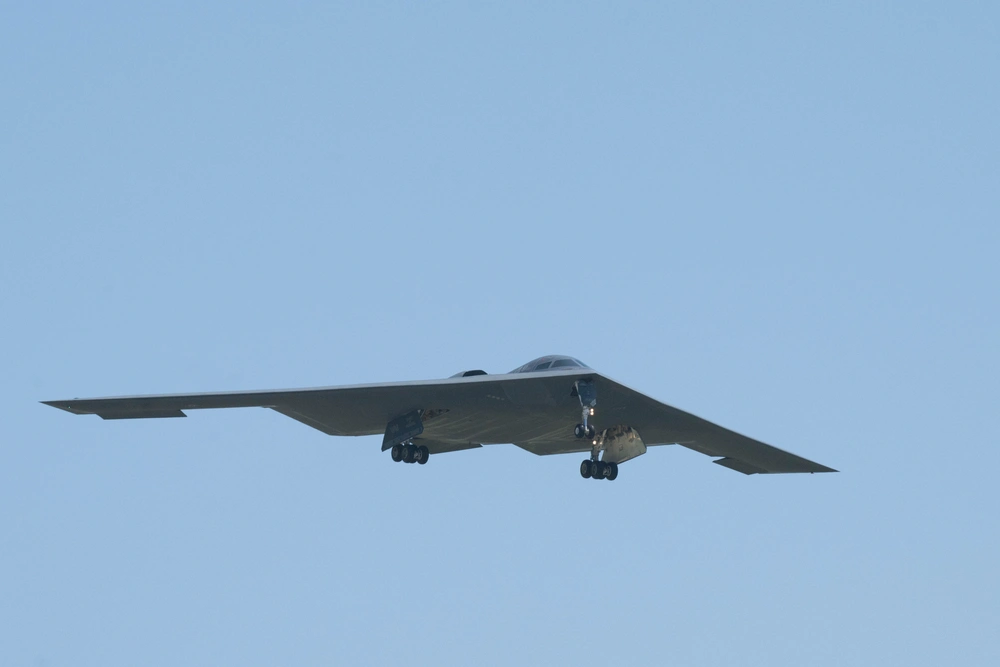
A US Air Force B-2 Spirit bomber at Whiteman Air Force Base, Missouri, June 2025, after supporting the US attack on Iran

On Sunday night, Trump suggested Iran had reached out to discuss the possibility of holding negotiations and suggested he was open to diplomacy, but also said he was considering “very strong” options. Iran’s Foreign Ministry said that the “communication channel” between Trump’s envoy, Steve Witkoff, and the Iranian Foreign Minister Abbas Araghchi remains open.

Axios and The Wall Street Journal both reported on Monday that Trump was leaning toward bombing Iran but was still exploring the possibility of negotiations. However, it’s unclear what sort of diplomatic deal would satisfy Trump as he continues to shift the pretext for potentially launching another war.

In recent weeks, Trump has threatened to bomb or support an Israeli attack on Iran if it rebuilds its civilian nuclear program or “continues” its conventional missile program, and has repeatedly threatened to attack the country if Iranian authorities kill protesters. The Axios report said that if Trump decides to bomb Iran, the strikes would likely target elements of Iran’s government responsible for internal security.

Iran’s position is that it doesn’t seek war with the US, but it’s warning that it will strike back if Trump follows through on his threat. “If Washington wants to test the military option it has tested before, we are ready for it,” Araghchi told Al Jazeera.

The Telegraph reported over the weekend that amid the threats of US airstrikes on Iran, the US military has conveyed to President Trump that it needs time to position assets in the region to prepare for Iranian counterattacks, which would likely involve missile strikes on US bases.

According to the Human Rights Activists News Agency (HRANA), a US-based and US-funded NGO, at least 646 people have been killed in the ongoing protests in Iran, including 133 military and law enforcement personnel, suggesting there have been significant attacks against Iran’s security forces. Iranian government sources have also said more than 100 security personnel have been killed, but have not released an overall death toll.

‘The Actions of a Rogue State’: US Lawmakers Demand Emergency Vote to Stop Trump War on Venezuela

January 5, 2026

President Trump Holds News Conference After US Captures Venezuelan President Maduro

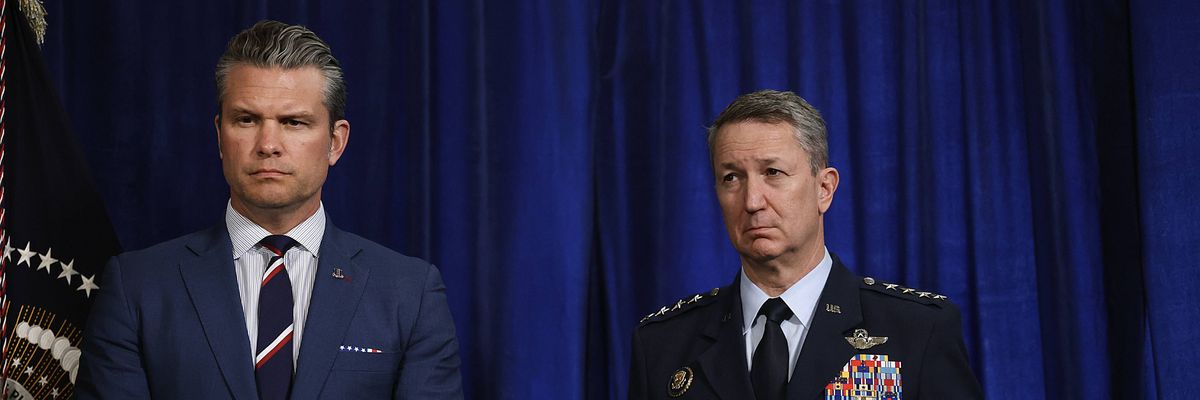
US Defense Secretary Pete Hegseth and Chairman of the Joint Chiefs of Staff Dan Caine listen as President Donald Trump addresses the media on January 3, 2026.

(Photo by Joe Raedle/Getty Images)

“Trump has no right to take us to war with Venezuela. This is reckless and illegal,” said Rep. Greg Casar. “Congress should vote immediately on a War Powers Resolution to stop him.”

Jake Johnson

Jan 03, 2026

Members of the US Congress on Saturday demanded emergency legislative action to prevent the Trump administration from taking further military action in Venezuela after the president threatened a “second wave” of attacks and said the US will control the South American country’s government indefinitely.

Rep. Greg Casar (D-Texas), chair of the Congressional Progressive Caucus (CPC), said that “Congress should vote immediately on a War Powers Resolution to stop” President Donald Trump, whose administration has for months unlawfully bombed boats in international waters and threatened a direct military assault on Venezuela without lawmakers’ approval.

RECOMMENDED…

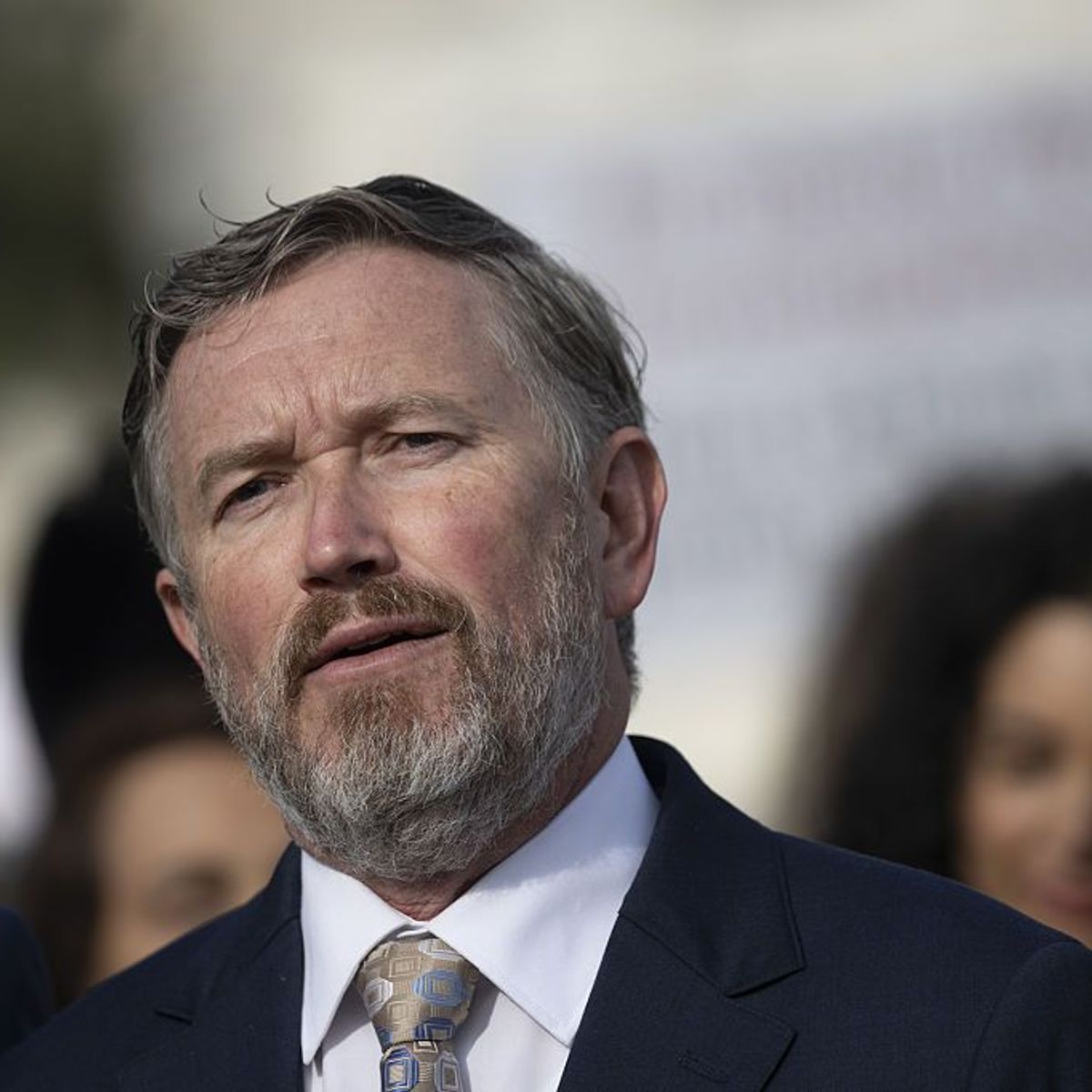
'This is About Oil and Regime Change': GOP Lawmaker Speaks Out Against Push for War in Venezuela

‘This is About Oil and Regime Change’: GOP Lawmaker Speaks Out Against Push for War in Venezuela

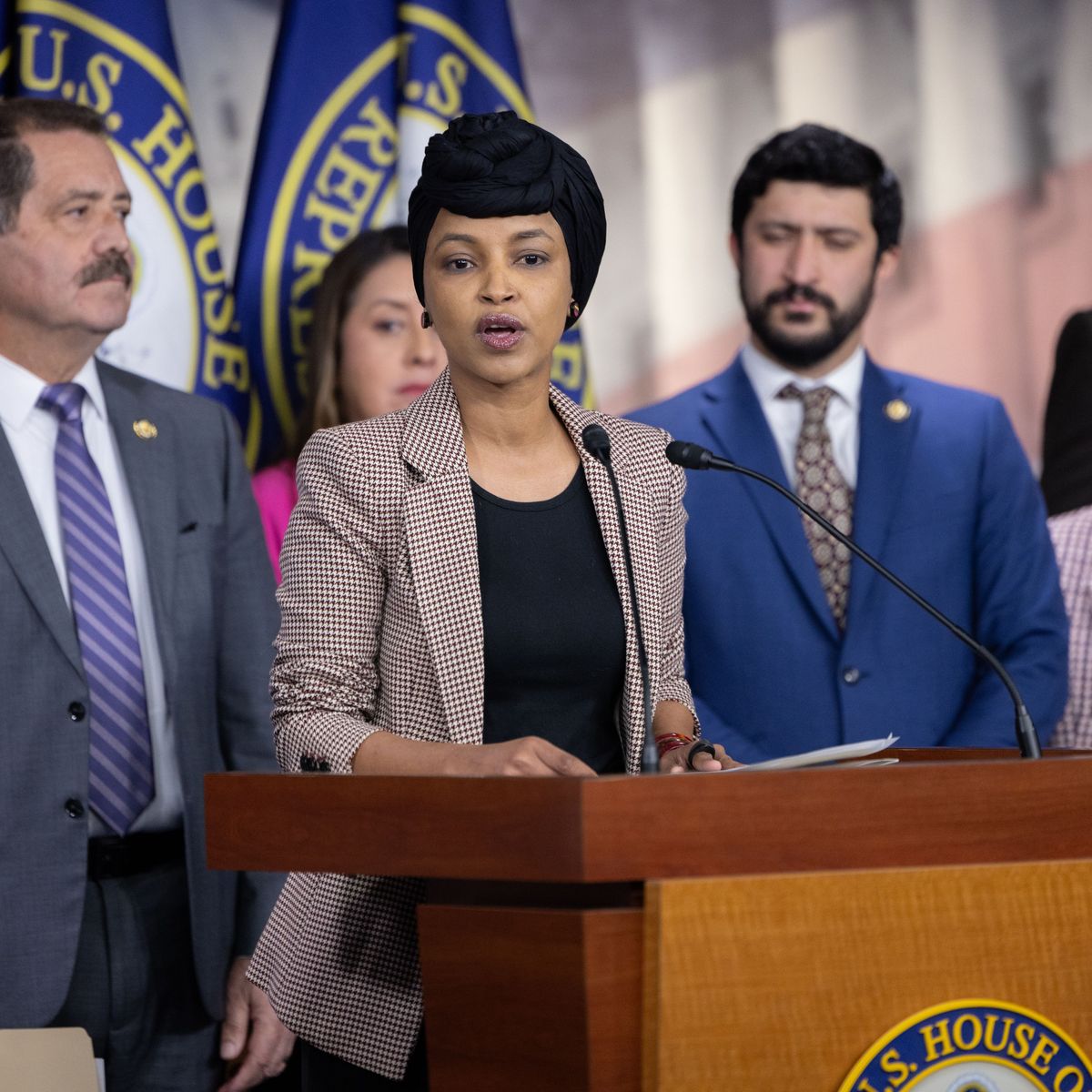
Rep. Ilhan Omar

Progressives Urge Passage of Bills to Stop Trump From Launching ‘Forever War’ in Venezuela

“Trump has no right to take us to war with Venezuela. This is reckless and illegal,” said Casar. “My entire life, politicians have been sending other people’s kids to die in reckless regime change wars. Enough. No new wars.”

Another prominent CPC member, Rep. Rashida Tlaib (D-Mich.), said in response to the bombing of Venezuela and capture of its president that “these are the actions of a rogue state.”

“Trump’s illegal and unprovoked bombing of Venezuela and kidnapping of its president are grave violations of international law and the US Constitution,” Tlaib wrote on social media. “The American people do not want another regime change war abroad.”

Progressives weren’t alone in criticizing the administration’s unauthorized military action in Venezuela. Establishment Democrats, including Sen. Adam Schiff of California and others, also called for urgent congressional action in the face of Trump’s latest unlawful bombing campaign.

“Without congressional approval or the buy-in of the public, Trump risks plunging a hemisphere into chaos and has broken his promise to end wars instead of starting them,” Schiff said in a statement. “Congress must bring up a new War Powers Resolution and reassert its power to authorize force or to refuse to do so. We must speak for the American people who profoundly reject being dragged into new wars.”

Sen. Tim Kaine (D-Va.) said he will force a Senate vote next week on a bipartisan War Powers Resolution to block additional US military action in Venezuela.

“Where will this go next?” Kaine asked in a statement. “Will the president deploy our troops to protect Iranian protesters? To enforce the fragile ceasefire in Gaza? To battle terrorists in Nigeria? To seize Greenland or the Panama Canal? To suppress Americans peacefully assembling to protest his policies? Trump has threatened to do all this and more and sees no need to seek legal authorization from people’s elected legislature before putting servicemembers at risk.”

“It is long past time for Congress to reassert its critical constitutional role in matters of war, peace, diplomacy, and trade,” Kaine added. “My bipartisan resolution stipulating that we should not be at war with Venezuela absent a clear congressional authorization will come up for a vote next week.”

The lawmakers’ push for legislative action came as Trump clearly indicated that his administration isn’t done intervening in Venezuela’s internal politics—and plans to exploit the country’s vast oil reserves.

During a press conference on Saturday, Trump said that the US “is going to run” Venezuela, signaling the possibility of a troop deployment.

“We’re not afraid of boots on the ground,” the president said in response to a reporter’s question, adding vaguely that his administration is “designating various people” to run the government.

Whether the GOP-controlled Congress acts to constrain the Trump administration will depend on support from Republicans, who have largely applauded the US attack on Venezuela and capture of Maduro. In separate statements, House Speaker Mike Johnson (R-La.) and Senate Majority Leader John Thune (R-SD) described the operation as “decisive” and justified.

Ahead of Saturday’s assault, the Republican-controlled Congress rejected War Powers Resolutions aimed at preventing Trump from launching a war on Venezuela without lawmakers’ approval.

One Republican lawmaker who had raised constitutional concerns about Saturday’s actions, Sen. Mike Lee of Utah, appeared to drop them after a phone call with Secretary of State Marco Rubio.

But Sen. Andy Kim (D-NJ) noted in a statement that both Rubio and Defense Secretary Pete Hegseth “looked every senator in the eye a few weeks ago and said this wasn’t about regime change.”

“I didn’t trust them then, and we see now that they blatantly lied to Congress,” said Kim. “Trump rejected our constitutionally required approval process for armed conflict because the administration knows the American people overwhelmingly reject risks pulling our nation into another war.”

𝐍𝐨 𝐭𝐨 𝐓𝐫𝐮𝐦𝐩’𝐬 𝐩𝐢𝐫𝐚𝐭𝐞 𝐞𝐦𝐩𝐢𝐫𝐞! 𝐈𝐧𝐭𝐞𝐫𝐧𝐚𝐭𝐢𝐨𝐧𝐚𝐥 𝐒𝐨𝐜𝐢𝐚𝐥𝐢𝐬𝐭 𝐓𝐞𝐧𝐝𝐞𝐧𝐜𝐲 𝐬𝐭𝐚𝐭𝐞𝐦𝐞𝐧𝐭 𝐨𝐧 𝐕𝐞𝐧𝐞𝐳𝐮𝐞𝐥𝐚

January 4, 2026

Below is a statement by the International Socialist Tendency, which the Socialist Workers Party is part of, in response to Trump’s attacks on Venezuela

1. The US raids on Venezuela on the night of 2-3 January and the kidnapping and imprisonment of President Nicolás Maduro are naked acts of imperialist aggression. Donald Trump’s declaration that ‘we are going to run Venezuela’ sums up the arrogance of US power. His justifications – that Maduro is the boss of a drug cartel, that his regime is undemocratic, etc – are, to use one of his favourite words, fake. This is about removing a regime that, especially under Hugo Chávez, has long been a thorn in Washington’s side and seizing the largest oil reserves in the world. Trump gloats: ‘We’re going to have our very large United States oil companies, the biggest anywhere in the world, go in.’ He has exposed the hollowness of his denunciations of previous US administrations’ ‘forever wars’ and attempts at regime change.

2. The assault on Venezuela must be seen against the background of Trump’s reaffirmation of the Monroe doctrine in his new National Security Strategy. This policy warning European powers to stay away from the Americas expressed the early United States’ aim to dominate the Western Hemisphere. Only in the late 19th century did Washington become strong enough to start displacing Britain, hitherto the dominant imperialist power in Latin America. This process was accompanied by war with Spain and numerous military interventions in Central America.

3. After the Second World War, the US responded to the advance of the left in Latin America by helping to engineer numerous military coups (Guatemala, Brazil, Chile, Argentina), invading the Dominican Republic and Grenada, and underwriting bloody counter-revolutionary wars (Bolivia, Guatemala, El Salvador, Nicaragua). In 1989 a US invasion removed and imprisoned the former CIA asset Manuel Noriega, President of Panama.

4. Now, however, the global dominance of US imperialism is under growing pressure. China has emerged as its greatest military and technological rival and the biggest market for Latin America’s raw materials and agricultural exports. The Trump administration has made reinforcing US domination of the Western Hemisphere and its resources its most important strategic priority. Hence the threats to Panama, Greenland, and Canada. Hence also the financial support for Javier Milei’s ultra-neoliberal government in Argentina. And hence now the attack on Venezuela.

5. By overthrowing Maduro Trump is pointing a gun at the head of every other Latin American president. If the US succeeds in imposing regime change on Venezuela, Cuba may be the next target. Trump and his Secretary of State Marco Rubio, the son of Cuban exiles, want to eradicate all remnants of revolutionary challenges to US imperialism in the Americas. Most governments will probably confine themselves to verbal protests and seek to ingratiate themselves with Trump. We demand that every state that claims to support democracy should unequivocally condemn the US intervention and take steps to isolate the aggressor.

‘This Is State Terrorism’: Global Outrage as Trump Launches Illegal Assault on Venezuela

January 3, 2026
A woman watches a public television broadcast by Venezuelan Defense Minister Vladimir Padrino

A woman watches a public television broadcast by Venezuelan Defense Minister Vladimir Padrino in Caracas, Venezuela on January 03, 2026.

(Photo by Boris Vergara/Anadolu via Getty Images)

“It is brutal imperialist aggression,” said former Bolivian President Evo Morales.

Jake Johnson, Common Dreams, Jan 03, 2026

The Trump administration’s military assault on Venezuela and apparent capture of the country’s president in the early hours of Saturday morning sparked immediate backlash from leaders in Latin America and across the globe, with lawmakers, activists, and experts accusing the US of launching yet another illegal war of aggression.

Latin American leaders portrayed the assault as a continuation of the long, bloody history of US intervention in the region, which has included vicious military coups and material support for genocidal right-wing forces.

RECOMMENDED…

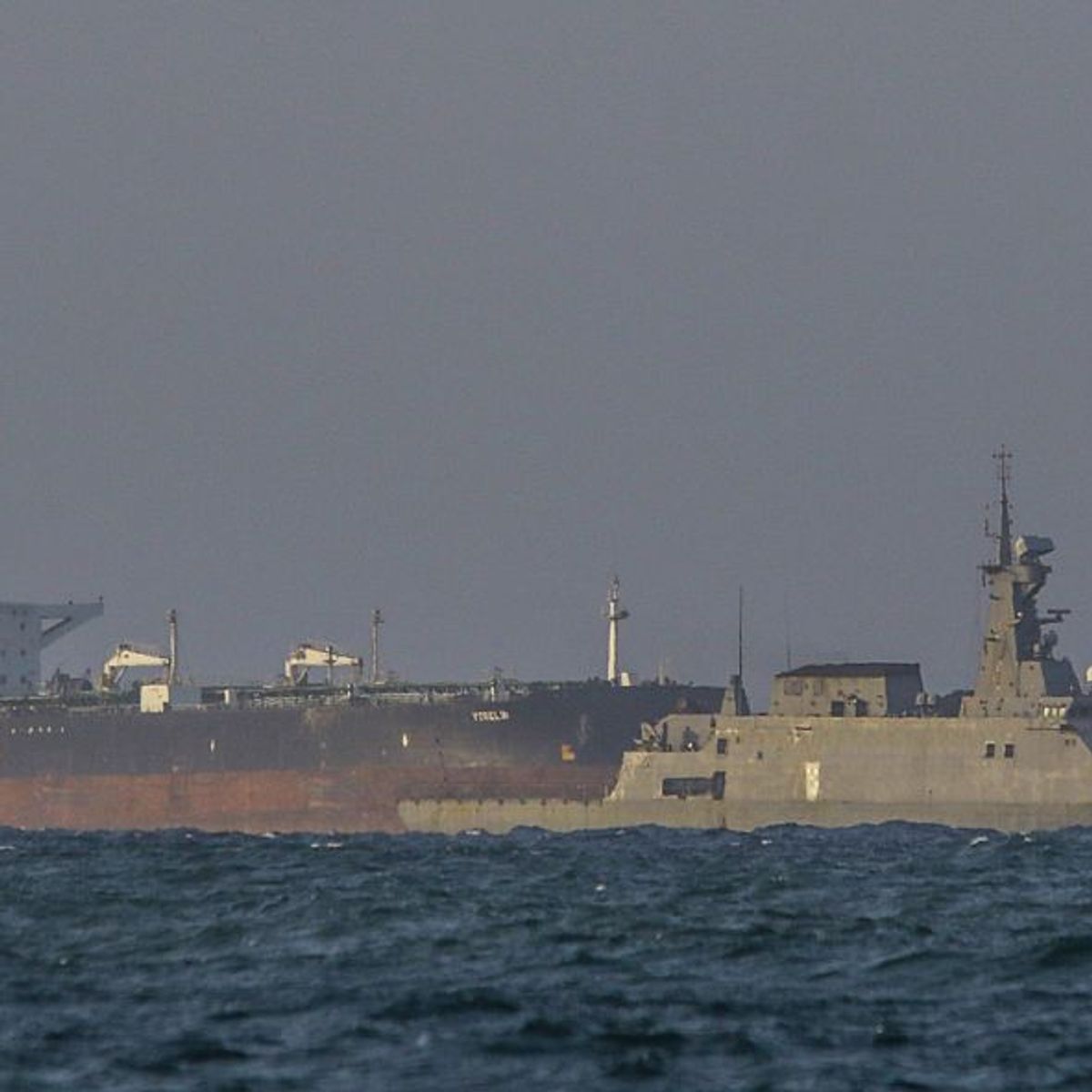
oil tankers are seen anchored in Lake Maracaibo

Trump ‘Choosing From the War Crimes Menu’ With ‘Quarantine’ on Venezuela Oil Exports

Trump Escalates in Venezuela With 'Illegal' US Seizure of Oil Tanker

Trump Escalates in Venezuela With ‘Illegal’ US Seizure of Oil Tanker

“This is state terrorism against the brave Venezuelan people and against Our America,” Cuban President Miguel Diaz-Canel wrote in a social media post, demanding urgent action from the international community in response to the “criminal attack.”

Evo Morales, the leftist former president of Bolivia, said that “we strongly and unequivocally repudiate” the US attack on Venezuela.

“It is brutal imperialist aggression that violates its sovereignty,” Morales added. “All our solidarity with the Venezuelan people in resistance.”

Colombian President Gustavo Petro, one of the first world leaders to respond to Saturday’s developments, decried US “aggression against the sovereignty of Venezuela and of Latin America.” Petro said Colombian forces “are being deployed” to the nation’s border with Venezuela and that “all available support forces will be deployed in the event of a massive influx of refugees.”

“Without sovereignty, there is no nation,” said Petro. “Peace is the way, and dialogue between peoples is fundamental for national unity. Dialogue and more dialogue is our proposal.”

One Latin American leader, far-right Argentine president and Trump ally Javier Milei, openly celebrated the alleged US capture of Venezuelan President Nicolás Maduro, declaring on social media, “FREEDOM ADVANCES.”

Leaders and lawmakers in Europe also reacted to the US bombings. Pedro Sánchez, the prime minister of Spain, issued a cautious statement calling for “deescalation and responsibility.”

British MP Zarah Sultana was far more forceful, writing on social media that “Venezuela has the world’s largest oil reserves—and that’s no coincidence.”

“This is naked US imperialism: an illegal assault on Caracas aimed at overthrowing a sovereign government and plundering its resources,” Sultana added.

𝐓𝐫𝐮𝐦𝐩 𝐒𝐚𝐲𝐬 𝐇𝐞’𝐥𝐥 𝐒𝐮𝐩𝐩𝐨𝐫𝐭 𝐚𝐧 𝐈𝐬𝐫𝐚𝐞𝐥𝐢 𝐀𝐭𝐭𝐚𝐜𝐤 𝐨𝐧 𝐈𝐫𝐚𝐧 𝐈𝐟 𝐓𝐞𝐡𝐫𝐚𝐧 ‘𝐂𝐨𝐧𝐭𝐢𝐧𝐮𝐞𝐬’ 𝐈𝐭𝐬 𝐌𝐢𝐬𝐬𝐢𝐥𝐞 𝐏𝐫𝐨𝐠𝐫𝐚𝐦

December 30, 2025

The president made the comments while meeting with Netanyahu in Florida

by Dave DeCamp, Antiwar. com, December 29, 2025 at 4:36 pm ET | Gaza, Israel

President Trump said on Monday that he would support an Israeli attack on Iran if Tehran “continues” its conventional missile program or if it works to rebuild its civilian nuclear program that was damaged by US airstrikes during the US-Israeli war on the Islamic Republic in June.
The president made the comments at his Mar-a-Lago resort in Florida before a meeting with Israeli Prime Minister Benjamin Netanyahu, when asked if he would back more Israeli attacks on Iran. “If they continue with the missiles, yes. The nuclear, fast,” he said.
“One will be yes, absolutely,” he added, appearing to reference Iran’s missiles. “The other was we’ll do it immediately,” he said, referencing the possibility of Iran rebuilding its nuclear program. The president also threatened to “knock the hell” out of Iran if it “builds up again.”
President Donald Trump reacts as he shakes hands with Israeli Prime Minister Benjamin Netanyahu upon arrival for meetings at Trump’s Mar-a-Lago club in Palm Beach, Florida, US, December 29, 2025. REUTERS/Jonathan Ernst
According to media reports, Netanyahu was expected to ask Trump to support a new war against Iran over concerns related to its ballistic missiles. Iranian officials have been clear that they won’t agree to a deal to curb Tehran’s missile program since it’s the only deterrent the country has against the US and Israel.
After the meeting, Trump and Netanyahu held a joint press conference where the US president again expressed support for the idea of another attack on Iran, though he suggested it wasn’t “confirmed” that Tehran was “building up” again.
Any Israeli strikes on Iran would require US support since the US military played a major role in intercepting Iranian missiles fired at Israel, though they made it through US and Israeli air defenses, which is ultimately what led Netanyahu to agree to a ceasefire after 12 days. The US also supported Israel’s attacks by refueling Israeli aircraft and then launched its own airstrikes against Iran’s nuclear facilities.
Amid the threats of another US and Israeli attack, Iran has warned that it’s ready to respond. According to Iran’s PressTV, the General Staff of the Iranian Armed Forces warned in a statement on Monday that “any renewed hostile act against the country will be met with a far harsher, more crushing, and more damaging response than in the past.”

The IAEA’s MOSAIC weapon: Predictive espionage and the war on Iran

July 7, 2025

Backed by US funding and Palantir’s AI tools, the IAEA turned its Iran inspections into a surveillance regime that blurred the line between monitoring and military targeting.

Kit Klarenberg, The Cradle, July 2, 2025

Photo Credit: The Cradle

Ever since Israel launched its illegal war of aggression against Iran on 13 June, speculation has swirled around the role played by MOSAIC – a tool created by shadowy spy-tech firm Palantir. 

This software has been deeply embedded within the International Atomic Energy Agency’s (IAEA) operations, particularly its “safeguarding” mission: inspections and monitoring state compliance with non-proliferation agreements. 

MOSAIC has been central to this work for a decade and was quietly integrated by former US president Barack Obama’s administration into the July 2015 Joint Comprehensive Plan of Action (JCPOA) nuclear deal with Iran.

Espionage disguised as oversight

The deal granted IAEA inspectors unfettered access to Iran’s nuclear facilities to confirm the absence of a nuclear weapons program. In the process, the agency accumulated an immense trove of data: surveillance imagery, sensor measurements, facility documents – all of which were fed into MOSAIC’s predictive system.

Yet the software’s pivotal role in the deal remained concealed until a Bloomberg exposé in May 2018, just days before US President Donald Trump, during his first term, unilaterally tore up the agreement and launched Washington’s so-called “maximum pressure” campaign against Tehran.

Despite Trump tearing up the deal, inspections of Iranian nuclear facilities continued, as did MOSAIC’s monitoring of Tehran’s nuclear program. As Bloomberg noted, Palantir’s technology helped the IAEA scrutinize vast swaths of information from disparate sources, including 400 million “digital objects” globally, such as “social media feeds and satellite photographs inside Iran” – a capability that “raised concern the IAEA may overstep the boundary between nuclear monitoring and intelligence-gathering.” 

The Bloomberg piece also provided fodder for an oft-stated Iranian concern that Mosaic was helping Israelis track Iranian scientists for assassination:

“The tool is at the analytical core of the agency’s new $50 million MOSAIC platform, turning databases of classified information into maps that help inspectors visualize ties between the people, places and material involved in nuclear activities, IAEA documents show.”

Bloomberg quoted the head of a British company that “advises governments on verification issues” on the hazards of false data being fed into MOSAIC, “either by accident or design”:

“You will generate a false return if you add a false assumption into the system without making the appropriate qualifier …You’ll end up convincing yourself that shadows are real.”

The underlying and ongoing concern for Tehran is that MOSAIC is heavily influenced by Palantir’s “predictive-policing software.” Employed by many law enforcement agencies across the western world at enormous expense, this technology is highly controversial and has been found to exhibit dangerous, misleading biases, leading to erroneous “pre-crime” interventions. 

Indeed, MIT Technology Review has flat-out called for the dismantlement of predictive tech in a report that looks at how dangerous the technology has been in analyzing even domestic criminal data: 

“Lack of transparency and biased training data mean these tools are not fit for purpose. If we can’t fix them, we should ditch them.”

Given the inclusion of dubious intelligence – such as the Mossad-stolen Iranian nuclear archive, openly celebrated by the Israeli agency for its deception – it is highly probable that such corrupted data triggered unjustified inspections. Bloomberg quoted a negotiator who helped craft the 2015 deal, expressing concern over how “dirty or unstructured data” could lead to “a flurry of unnecessary snap inspections.” 

Palantir’s software specifically helped the IAEA “plan and justify unscheduled probes” – at least 60 of these conducted until US-Israeli strikes put an end to inspections. 

Data as a weapon 

On 31 May, the IAEA released a report suggesting Iran may still be developing nuclear weapons. Although it presented no new evidence, its dubious charges related “to activities dating back decades” at three sites where, purportedly, until the early 2000s, “undeclared nuclear material” was handled. 

Its findings prompted the UN nuclear watchdog’s Board of Governors to charge Iran as “in breach of its non-proliferation obligations” on 12 June, providing Tel Aviv with a propaganda pretext for its illegal attack the next day.

On 17 June, IAEA chief Rafael Grossi conceded that the agency had “no proof of a systematic effort to move into a nuclear weapon” by Tehran. Still, the damage was done. Iranian lawmakers, citing the IAEA’s secret sharing of sensitive data with Tel Aviv and Grossi’s covert collusion with Israeli officials, suspended all cooperation with the agency.

This may be the wisest course for other states under IAEA scrutiny. MOSAIC is now so entwined with the agency’s daily function that any country targeted for regime change could find itself accused of nuclear ambitions based on manufactured evidence. 

A 2017 IAEA document reveals MOSAIC is comprised of “over 20 different software development projects.” Launched in May 2015, it was hoped to revolutionize “safeguarding” the world over.

The report described MOSAIC as providing inspectors with “a suite of tools with which to face the challenges of tomorrow.” For instance, the Electronic Verification Package (EVP) enables field data – including planning, reporting, and review – to be automatically collected and processed. When inspectors visit a facility, they record vast amounts of information – instantly analyzed at headquarters via EVP.

Elsewhere, the Collaborative Analysis Platform (CAP) enables deep cross-referencing of internal and open-source data, including overhead imagery. It supports the IAEA’s core safeguarding processes: “planning, information collection and analysis, verification, and evaluation.”

CAP gives the IAEA “the capability to search, collect, and integrate multiple data and information sources to enable comprehensive analysis.” An IAEA official quoted in the document declared the platform represented “a major leap forward in analytics” and “a game changer”, allowing the IAEA to collect “a much greater amount of information, and also analyze that information in greater depth than before.”

Such analytical capacity grants inspectors “the ability to establish relationships between information from multiple sources, across time,” and “make sense out of huge amounts of data.”

CAP also assists in the collection and evaluation of open-source information. The document noted the platform could “process much more open-source information than the Department currently has capacity for,” and lets staff “search information across the entire repository; carefully cross-check different types of information; and utilize information in visual formats,” such as “overhead imagery.”

‘Extra-budgetary contributions’ from the US government

All of this intelligence is highly sensitive and would be a treasure trove for states intent on military action against nations in the IAEA’s crosshairs. According to the 2017 report, inspectors spent 13,248 days in the field in 2015 and inspected 709 nuclear facilities. Those figures have since grown. All the while, MOSAIC – a little-known tool for the “early detection of the misuse of nuclear material or technology” – has remained operational.

The report noted that MOSAIC was financed through the IAEA’s regular budget, the Major Capital Investment Fund, and “extra-budgetary contributions.” Its cost at the time was around €41 million (approximately $44.15 million) – almost 10 percent of the agency’s total annual budget. The source and size of those extra-budgetary contributions remain vague, perhaps deliberately, but a Congressional Research Service briefing note indicates Washington formally funds the IAEA to the tune of over $100 million annually.

Moreover, the US consistently provides in excess of $90 million in extra-budgetary contributions every year. In other words, almost half of the IAEA’s budget flows from Stateside, suggesting MOSAIC was created wholly on Washington’s dime. 

The timing of its rollout – two months prior to the Obama administration’s nuclear deal being agreed – could further indicate it was explicitly funded with Iran in mind. As then-IAEA director general Yukiya Amano revealed in March 2018, the association’s penetration of Tehran was unprecedented.

At a press conference, Amano referred to the IAEA’s nuclear “verification regime” in Iran as “the world’s most robust.” The organization’s inspectors spent “3,000 calendar days per year on the ground” in the country, capturing “hundreds of thousands of images captured daily by our sophisticated surveillance cameras,” which was “about half of the total number of such images that we collect throughout the world.” 

In all, “over one million pieces of open source information” were collected by the IAEA monthly.

The IAEA’s fixation on Iran, coupled with suspicions that it provided the names of nuclear scientists – later assassinated by Israel – raises the question: Was the 2015 deal always an industrial-scale espionage operation designed to prepare for war?

A wave of assassinations of nuclear scientists and IRGC commanders in the early stages of Tel Aviv’s failed war on Iran appears to support that conclusion.

Iranian officials not only suspended cooperation with the IAEA and ordered the dismantlement of inspection cameras, but also rejected Grossi’s request to visit bombed nuclear sites. Foreign Minister Abbas Araghchi branded the IAEA chief’s insistence on visiting under the pretext of safeguards “meaningless and possibly even malign in intent.”

What is clear is that any state still cooperating with the IAEA must now reckon with the possibility that it is not being monitored – it is being mapped for war.
President Trump Told Netanyahu To ‘Keep Going’ in Iran

June 19, 2025

 Trump said Netanyahu is a ‘good man’ who has been treated ‘unfairly’

by Dave DeCamp, Antiwar.com  | Jun 18, 2025

President Trump said on Wednesday that he told Israeli Prime Minister Benjamin Netanyahu in a phone call a day earlier to “keep going” with his attacks on Iran.

The president told reporters that Netanyahu, who is wanted by the International Criminal Court for his role in war crimes in Gaza, is a “good man” who has been treated “very unfairly” by his own country. “He’s a wartime president. Going through this nonsense — ridiculous,” Trump said.

Trump’s comments about Netanyahu come amid anticipation over whether or not the US will enter Israel’s war with Iran directly by launching airstrikes. The US has supported the assault by providing weapons and intelligence and intercepting Iranian missiles and drones, but so far hasn’t launched direct strikes of its own.

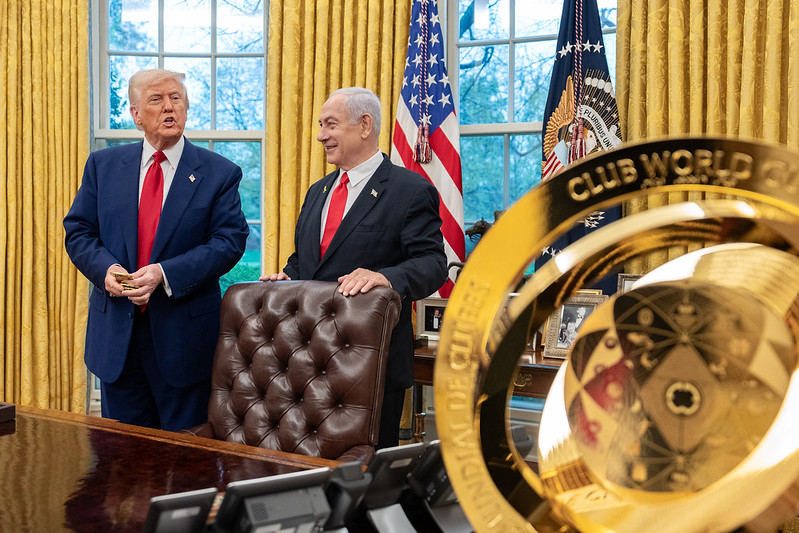
Trump and Netanyahu at the White House on April 7, 2025 (White House photo)

The president also said on Wednesday that “nobody knows” whether he’ll enter the war or not. When asked if he was moving closer on a decision to bomb Iranian nuclear facilities, Trump said, “You don’t know that I’m going to even do it. You don’t know. I may do it. I may not do it. I mean, nobody knows what I’m going to do. I can tell you this, that Iran’s got a lot of trouble.”

In other comments to the press, Trump said he wasn’t interested in an Israel-Iran ceasefire. “We’re not looking for a ceasefire. We’re looking for a total and complete victory. Again, you know what the victory is: no nuclear weapon,” he said.

Netanyahu launched his war of aggression against Iran under the pretext of preventing Iran from obtaining a nuclear weapon, but US intelligence assessed before the attacks that Tehran was not pursuing a nuclear bomb.

𝐈𝐫𝐚𝐧’𝐬 𝐊𝐡𝐚𝐦𝐞𝐧𝐞𝐢 𝐑𝐞𝐣𝐞𝐜𝐭𝐬 𝐓𝐫𝐮𝐦𝐩’𝐬 𝐃𝐞𝐦𝐚𝐧𝐝 𝐟𝐨𝐫 𝐒𝐮𝐫𝐫𝐞𝐧𝐝𝐞𝐫, 𝐖𝐚𝐫𝐧𝐬 𝐔𝐒 𝐀𝐠𝐚𝐢𝐧𝐬𝐭 𝐄𝐧𝐭𝐞𝐫𝐢𝐧𝐠 𝐖𝐚𝐫

June 18, 2025

𝑇ℎ𝑒 𝐼𝑟𝑎𝑛𝑖𝑎𝑛 𝑙𝑒𝑎𝑑𝑒𝑟 𝑠𝑎𝑖𝑑 𝑖𝑓 𝑡ℎ𝑒 𝑈𝑆 𝑎𝑡𝑡𝑎𝑐𝑘𝑠 𝐼𝑟𝑎𝑛 𝑖𝑡 𝑤𝑜𝑢𝑙𝑑 𝑠𝑢𝑓𝑓𝑒𝑟 ‘𝑖𝑟𝑟𝑒𝑝𝑎𝑟𝑎𝑏𝑙𝑒 ℎ𝑎𝑟𝑚’

by Dave DeCamp, Antiwar. com | Jun 18, 2025

Iranian Supreme Leader Ayatollah Ali Khamenei on Wednesday rejected President Trump’s demand for an “unconditional surrender” and warned the US against entering the war by launching strikes on Iran, saying the US would suffer “irreparable harm.”

Trump has also threatened Khamenei, claiming the US was aware of his location but wasn’t going to kill him for the time being. “[Trump] has threatened us. Not only does he make threats, but he also uses absurd, unacceptable rhetoric to openly demand that the Iranian people surrender to him. When a person hears such things, it’s truly surprising,” Khamenei said in a televised address.

“It isn’t wise to tell the Iranian nation to surrender. Wise people who know Iran, the Iranian people, and Iran’s history would never utter such words. What should the Iranian nation surrender to? The Iranian nation isn’t a nation that surrenders. We haven’t attacked anyone, and we definitely won’t tolerate anyone attacking us, and we will never surrender in response to the attacks of anyone,” Khamenei said.

Khamenei during his televised address (photo via his website)

The US has supported Israel’s war on Iran by providing weapons and intelligence and by intercepting Iranian missiles and drones. So far, the US hasn’t launched direct airstrikes on Iran, but Trump is considering doing so, especially against the Fordow nuclear plant, which is buried deep underground.

“Of course, the Americans who are familiar with the policies of this region know that the US entering in this matter [war] is 100% to its own detriment,” Khamenei said. “The damage it will suffer will be far greater than any harm that Iran may encounter. The harm the US will suffer will definitely be irreparable if they enter this conflict militarily.”

Iranian ballistic missiles are believed to be able to do significant damage to US bases in the region. Trump was asked on Wednesday if he would launch strikes on Iran’s nuclear program, but wouldn’t say. “I may do it. I may not do it. Nobody knows what I’m going to do,” he said.

Israeli Prime Minister Benjamin Netanyahu launched the war under the pretext of stopping Iran from advancing toward a nuclear bomb, but US intelligence agencies had assessed there was no evidence Tehran was working to make a nuclear weapon, and the US was unconvinced by new Israeli intelligence.

Israel’s attack also disrupted negotiations between the US and Iran. Trump said on Wednesday that Iran had asked for a meeting at the White House, but the claim was rejected by Tehran, as Iranian officials have said they won’t negotiate while Israel continues its attacks.

“No Iranian official has ever asked to grovel at the gates of the White House. The only thing more despicable than his lies is his cowardly threat to ‘take out’ Iran’s Supreme Leader,” Iran’s mission to the UN said. “Iran does NOT negotiate under duress, shall NOT accept peace under duress, and certainly NOT with a has-been warmonger clinging to relevance.”

Pure Orwell: Europe condemns Iran for attacks on its own territory

June 16, 2025

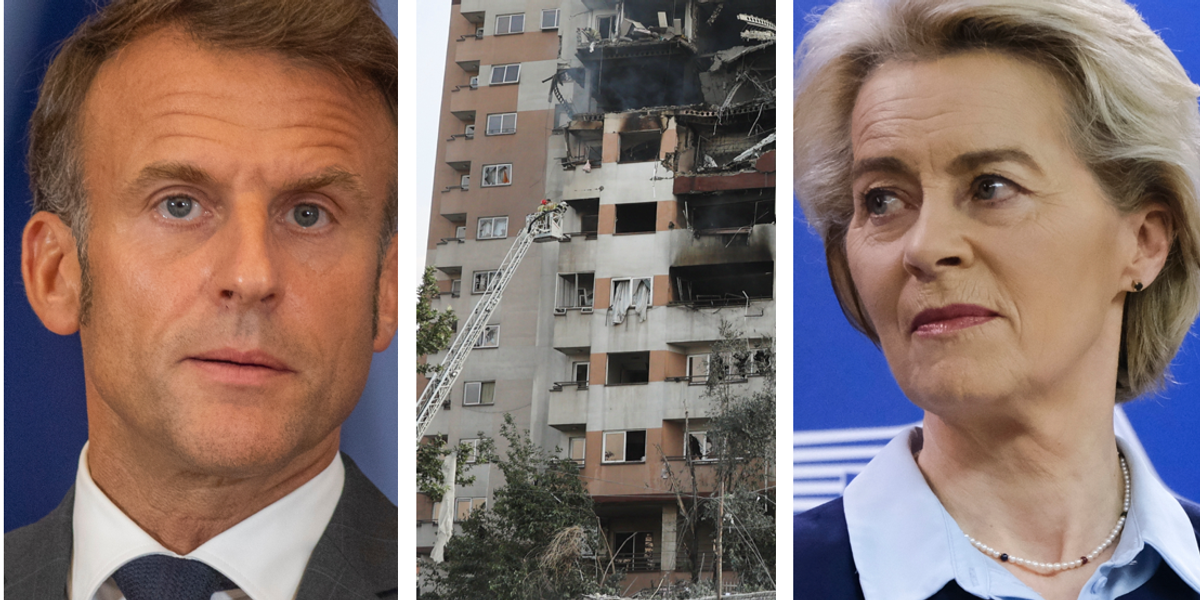
Europe Emmanuel Macron Ursula Von der Leyen Iran attacks

In their hypocrisy over Israel, EU elites once again expose the rotting corpse of the so-called ‘rules based order’

Europe

  1. regions europe
  2. israel-iran

Eldar Mamedov, Responsible Statecraft, Jun 14, 2025

When Israeli warplanes struck Iran this week — violating Iranian sovereignty in a brazen act of aggression, killing scores of civilians alongside top military commanders and nuclear scientists and inviting Iran’s equally indiscriminate retaliatory strikes — Europe’s leaders didn’t condemn the attack.

They perversely endorsed it and condemned Iran for the attacks on its own territory.

The president of France Emmanuel Macron set the tone by condemning Iran’s “ongoing nuclear program” and reaffirming “Israel’s right to defend itself and secure its security.” President of the European Commission Ursula von der Leyen seemed to have spoken from the same script “reiterating Israel’s right to defend itself,” embellished by some generic platitudes about the need for restraint and de-escalation.

The German foreign ministry went a step further and actually “strongly condemned” Iran for “an indiscriminate attack on Israeli territory” — even before Tehran launched its missiles in response for Israel’s attack on its territory — while fully endorsing Israel’s actions.

This Orwellian rhetoric isn’t just incompetence or ignorance. It’s the culmination of years of European diplomatic malpractice that helped to manufacture this crisis — and exposed the “rules-based order” as a corpse. Europe’s double standards killed its credibility.

Europe’s stance on Ukraine invoked Article 2(4) of the U.N. Charter with political clarity: “All members shall refrain from the threat or use of force against the territorial integrity of any state.” Yet when Israel attacked Iran — with no legal basis for self-defenseEurope de-facto reframed aggression as virtue, and condoned it.

Europe’s moral and diplomatic collapse hasn’t gone unnoticed. Two globally respected voices delivered particularly damning verdicts. Mohamed ElBaradei, Nobel Laureate and former head of the U.N.’s atomic energy watchdog, offered a humiliating crash course in international law to the German foreign ministry.

Reacting to Berlin’s endorsement of Israel’s “targeted strikes against Iranian nuclear facilities” (never mind the hundreds of civilians killed in these strikes), El Baradei reminded it that such strikes are prohibited under the Geneva Conventions to which Germany is a party, and that the use of force in international relations “is generally prohibited in the UN Charter with the exception of the right of self-defense in the case of armed attack or upon authorization by the Security Council in the case of collective security action.”

For her part, Francesca Albanese, U.N. special rapporteur on the occupied Palestinian territories, reacting to Macron’s statement, commented that “on the day Israel, unprovoked, has attacked Iran, the president of a major European power, finally admits that in the Middle East, Israel, and only Israel, has the right to defend itself.”

Newsletter

Subscribe now to our weekly round-up and don’t miss a beat with your favorite RS contributors and reporters, as well as staff analysis, opinion, and news promoting a positive, non-partisan vision of U.S. foreign policy.

Invalid emailEnter your email

The message of the likes of El Baradei and Albanese is unequivocal: when Europe applauds Israel’s strike while condemning Russia’s invasion, it doesn’t uphold universal rules — it enforces its tribalist identity: “rules” only apply to adversaries, not friends. This is fatal to Europe’s pretense of moral authority — it has been well noticed in the Global South, but also among many European citizens too.

This pretense looks even more detached from reality given that the crisis in the Middle East erupted on fertile ground prepared by serial European failure. First it was the E3 (Britain, France, Germany) failure to uphold the JCPOA following the U.S. withdrawal under Donald Trump’s presidency in 2018. While the EU offered rhetorical support for the nuclear deal, it buckled to U.S. sanctions and refused to shield EU firms willing to engage with Iran. It let the JCPOA die, de-facto creating a vacuum for escalation.

Further, while mediators like Oman and Qatar brokered talks on a new nuclear deal between the U.S. and Iran, the EU pushed for an IAEA resolution censoring Iran days before Israel’s strike, torpedoing de-escalation and contributing to creating a more menacing, dangerous security environment, with the U.N. Security Council sanctions snapback and potential Iran’s withdrawal from the Non-Proliferation Treaty (NPT) lurking in the background.

Each of these failures validated Tehran’s view that it is futile to negotiate with Europe. The E3/EU are now seen not just as a weak party unable to fulfil its commitments under the nuclear agreement, but also an actively destructive player undermining Iran’s security and regional stability.

European powers’ staggering descent into diplomatic irrelevance was starkly illustrated by Iranian foreign minister Abbas Araghchi’s categorical rejection of his British counterpart David Lammy’s pleas to de-escalate. Indeed, it is difficult to imagine why Tehran should heed these calls when they come from parties it sees as actively colluding with the aggressors.

The likely fallout from Europe’s diplomatic self-sabotage is that it incinerated whatever residual trust it still had in Iran and the broader Global South. It all but guaranteed proliferation by giving Iranians — now not just the hardliners — a powerful incentive to seek nuclear weaponization, an outcome that could have been avoided had Europe engaged in serious, good faith talks with Iran on reviving the nuclear deal. Iran’s withdrawal from the NPT is no longer a merely theoretical possibility.

All of these developments dramatically increase the likelihood of blowback against European interests: a regional war in the Middle East means more uncontrolled migration, heightened risks of terrorism on European soil or against European interests in the region, and energy shocks if Iran delivers on its threats to block the Hormuz Straight, the world’s principal oil trade artery.

Absent an urgent but unlikely course correction, such as holding Israel accountable for its regional aggression, Europe’s decay will accelerate. When Brussels exempts allies from rules imposed on rivals, it doesn’t preserve peace — it signs its own geopolitical suicide note.

Eldar Mamedov

Eldar Mamedov is a Brussels-based foreign policy expert and Non-resident Fellow at the Quincy Institute.

𝐒𝐨𝐮𝐫𝐜𝐞𝐬: 𝐔𝐒 𝐖𝐢𝐥𝐥 𝐄𝐧𝐭𝐞𝐫 𝐈𝐬𝐫𝐚𝐞𝐥’𝐬 𝐖𝐚𝐫 𝐖𝐢𝐭𝐡 𝐈𝐫𝐚𝐧

June 15, 2025


Call the White House and tell them you do not want any part of this disastrous war

by Dave DeCamp, Antiwar.com, Jun 15, 2025

Sources familiar with the matter have told Antiwar.com Editorial Director Scott Horton that the Trump administration is poised to enter Israel’s aggressive war against Iran directly. US airstrikes on Iran could begin as soon as Monday. Please contact the White House by calling (202-456-7041) or sending an email. Tell them that you do not want the US to enter this disastrous war, which could lead to heavy American casualties at US bases across the Middle East. The US has supported the war by reportedly providing Israel with intelligence and helping intercept Iranian missiles and drones, but so far, there have been no direct US attacks on Iran. Iranian officials have warned that Tehran would hit US bases in the region in response to any US strikes. Axios reported on Saturday that Israel is urging the US to join the war since Israel lacks the bunker-busting bombs necessary to do serious damage to Iran’s Fordow plant, which is buried deep underground. An Israeli official told Axios that President Trump had previously suggested the US could strike Fordow. Trump himself said on Sunday that it was “possible” that the US would get directly involved in the war, which Israel launched early Friday morning with airstrikes across Iran. Israeli Prime Minister Benjamin Netanyahu started the war under the pretext of preventing Iran from building a nuclear weapon. But it was the consensus of the US intelligence community that there was no evidence Iran was working toward a nuclear weapon, and Tehran made clear they were ready to make a deal with the US that would significantly lower uranium enrichment levels and increase oversight of its nuclear program in exchange for US sanctions relief. Ali Larijani, an aide to Iranian Supreme Leader Ayatollah Ali Khamenei, has previously said that the one thing that would make Tehran reconsider its prohibition on the development of nuclear weapons would be a US or Israeli attack. “We are not moving towards (nuclear) weapons, but if you do something wrong in the Iranian nuclear issue, you will force Iran to move towards that because it has to defend itself,” Larijani said on April 1. “Iran does not want to do this, but … (it) will have no choice,” he added. “If at some point you (the US) move towards bombing by yourself or through Israel, you will force Iran to make a different decision.”