The US-Israeli war on Iran has given Gulf monarchies fresh cover to deepen repression, criminalize dissent, and tighten their grip over every version of reality that falls outside the state line.
APR 16, 2026
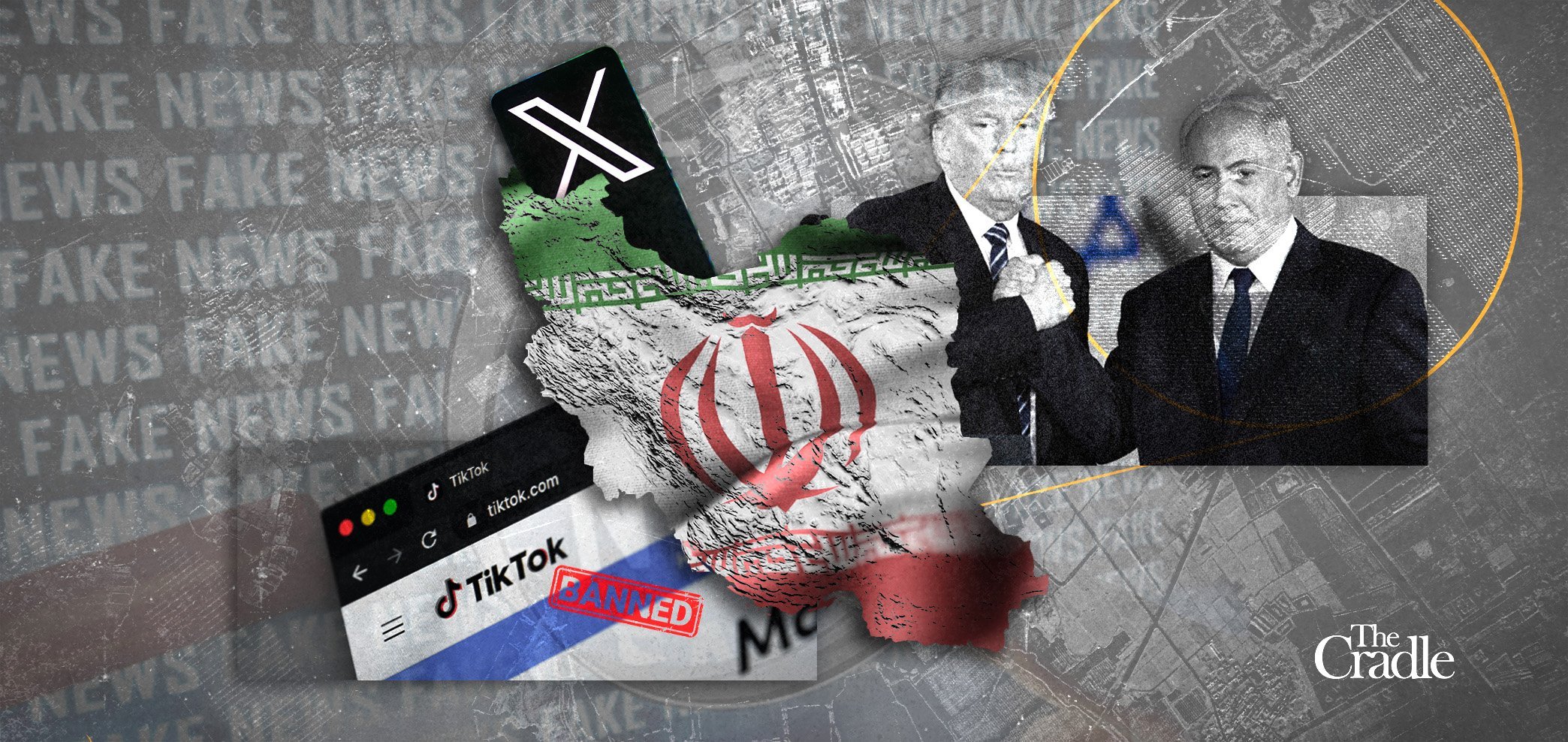 Photo Credit: The Cradle
Since 28 February, the US and Israel have been waging war on Iran, with consequences that reach far beyond the battlefield. Across the Persian Gulf, governments have seized on the conflict to expand repression at home.
Under the pretext of combating “disinformation” and “rumors” on social media, Gulf states have launched sweeping arrest campaigns against hundreds of citizens and residents, making clear that any expression outside the official narrative can now be treated as a “security threat” or even the “voice of the enemy.”
Calls not to photograph or publish footage did not arrive as casual advice. Interior ministries across the Gulf issued them as official warnings. At first glance, the arguments appeared plausible: avoid panic, protect national security, deny useful information to the enemy. Within days, however, these directives became the basis for a much broader campaign of repression, one that moved quickly from warnings to prosecutions.
The Gulf states have imposed a near-total blackout on the flow of information, claiming that independent content could spread fear, aid the enemy militarily, or amount to treason. In practice, the war on Iran has become a ready-made excuse to criminalize speech.
Bahrain: From emergency measures to mass arrests
Manama justified its tightening security measures through a series of official statements. The Interior Ministry’s Civil Defense Council announced a ban on gatherings “in order to maintain compliance with public safety responsibilities in light of the blatant Iranian aggression against Bahrain.” What appeared to be a response to regional escalation quickly turned into cover for a far broader crackdown.
Authorities arrested more than 260 citizens on charges including “misuse of platforms” and “sympathy for Iranian aggression.” According to human rights sources, three of those detained were women. Authorities also published photographs of detainees in an effort to shame them publicly.
According to Human Rights Watch (HRW), the arrests went far beyond any legal framework. On 4 March, dozens of men stormed the home of Munir Mirza Ahmed Mushaima. Some wore black uniforms and white helmets, while others were in civilian clothing. They arrested him without presenting a warrant, accusing him of running a social media account that contained “illegal content.”
The crackdown has not been limited to Bahraini citizens. Residents of various nationalities have also been arrested for filming, posting, or reposting videos related to attacks on the country. Bahrain’s Public Prosecution has even asked courts to impose the death penalty on people accused of “spying with the enemy.”
The campaign has also turned deadly. Mohammad Mohsen Mousavi, who was arrested in mid-March, reportedly showed signs of torture on his body during funeral preparations. The Interior Ministry responded by defending his detention and accusing him of links to the Islamic Revolutionary Guard Corps (IRGC).
The UAE and Saudi Arabia move to monopolize the narrative
Abu Dhabi has followed Bahrain’s path closely. Since the outbreak of the war on Iran, restrictions on the movements of citizens and residents, as well as on what they can post online, have sharply increased.
The Public Prosecution warned X users against circulating images or videos from attack sites. These measures followed months of tighter digital censorship linked to tensions with Saudi Arabia over Yemen.
Authorities in Abu Dhabi alone have reportedly arrested more than 100 people, including foreigners, on charges of filming, publishing videos, or spreading “inaccurate information.” The State Security Agency also announced that it had dismantled a network allegedly “funded and managed” by Hezbollah and Iran. Officials claimed the network was planning to destabilize the country’s financial system.
Content creators have also come under pressure. Authorities now require prior approval before influencers or public figures can post, even when discussing routine issues such as hotel overcrowding or the effects of the war on daily life.
According to UAE sources, prosecutors circulated lists of accounts accused of publishing “illegal content offensive to the state and its leadership.” Dozens of accounts were blocked on X, including “Elon Trades,” after it posted a video showing a fire at Dubai’s Fairmont Hotel that drew more than one million views.
Outside of the UAE, several prominent accounts reported receiving notices from X informing them that their profiles had been blocked inside the Gulf state following requests linked to Emirati authorities.
Among them were Yemeni lawyer Mohammad al-Maswari who insisted that his posts were “based on rejecting the division of Yemen, Sudan, Somalia, and Libya, and any support for terrorist militias”; Egyptian presenter Osama Gaweesh; Al Jazeera‘s Yemeni affairs editor Ahmed al-Shalafi, who received a message from the UAE Public Prosecution, “with charges of insulting state institutions, inciting hatred and sedition, and other charges”; and Doha-based academic Marc Owen Jones, whose work focuses on digital repression and authoritarianism in the Gulf. Their cases suggest that the crackdown is no longer limited to those inside the country, but is increasingly targeting critics abroad as well.
Saudi Arabia has taken a similar route. In early March, state agencies launched a media campaign under the hashtag “#التصوير_يخدم_العدو” – “filming serves the enemy” – to frame any attempt to document strikes as a threat to national security.
Riyadh crafted a campaign designed to portray cameras and mobile phones as weapons in enemy hands. The government also circulated memos banning what it called “infringing content,” “anonymous videos,” and “rumors,” while urging the public to rely exclusively on official sources.
The result was a tightly controlled media environment in which the state monopolized the narrative and criminalized any attempt to challenge it.
Saudi authorities have not publicly announced arrests linked to the war, but Saudi sources tell The Cradle that several citizens and residents have been detained. Those arrested reportedly include Sheikh Hassan Al-Mutawa, the preacher of Al-Khader Mosque in Al-Rabiiya on Tarut Island in Qatif governorate.
Kuwait and Qatar widen the dragnet
As the war escalated, Kuwait issued Law No. 47 on “Counter-Terrorism” on 15 March 2026. The text of the law includes broad and vague language that can easily be used to restrict freedoms.
Article 1 defines a “terrorist act” as any act aimed at spreading fear among the population or endangering public safety. Such wording leaves the law open to broad interpretation and allows authorities to treat almost any form of dissent as a security offense.
Kuwaiti authorities later announced the arrest of dozens of alleged Hezbollah members, including Kuwaiti and Lebanese nationals, accusing them of plotting attacks and threatening the country’s sovereignty. At the same time, the Interior Ministry warned against publishing any photos or information related to strikes, claiming they could destabilize public opinion.
Authorities also detained several Kuwaitis and foreigners, including content creator Badr al-Husseinan. He was charged with broadcasting false news, harming national interests, and misusing a phone after posting a satirical video about the hardship people faced during the war.
On 14 April, the Committee to Protect Journalists (CPJ) called for the release of US-Kuwaiti journalist Ahmed Shihab-Eldin, who had been detained for more than six weeks over social media posts linked to the war.
Authorities accused him of spreading false information, harming national security, and misusing a mobile phone after he shared footage of a US fighter jet crash near a military base in Kuwait. CPJ said the material was already public and verified, describing his detention as part of a wider campaign to silence scrutiny and tighten control over the narrative.
Qatar has adopted many of the same measures. Since the beginning of the war, the Interior Ministry has banned the publication of photos and videos related to attacks inside the country, describing them as threats to national security.
The Department of Combating Cyber Economic Crimes announced the arrest of more than 300 people of different nationalities over the circulation of what it described as “misleading” videos and information.
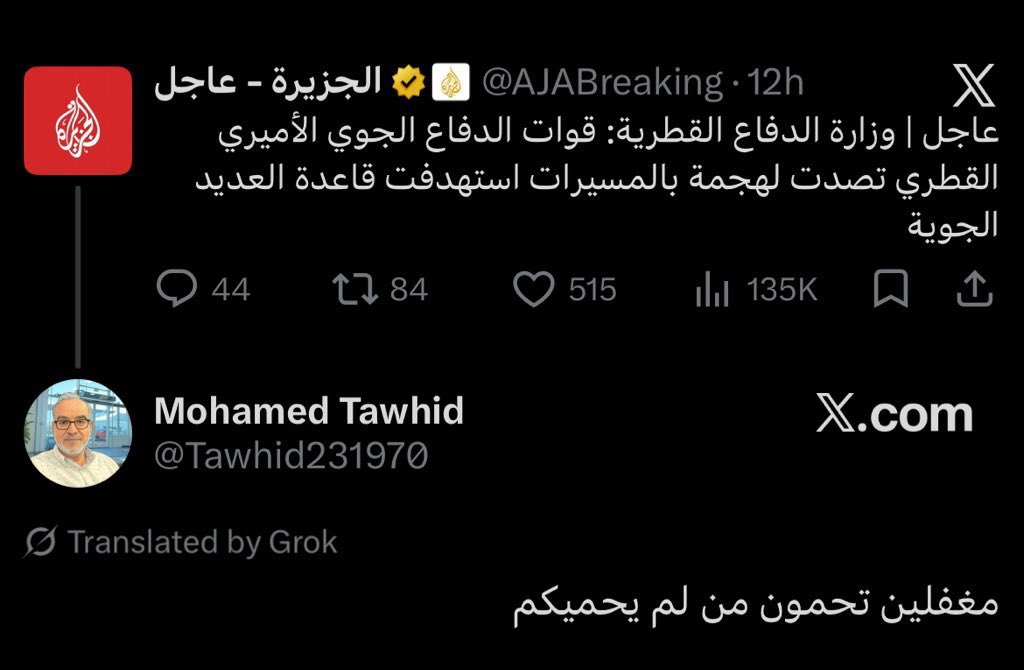
One of those detained was Egyptian teacher Mohamed Tawhid, who lived in Doha. Tawhid commented on the breaking news broadcast by Al Jazeera in March about a drone attack on Al-Udeid Air Base. Quoting the Qatari Defense Ministry, the report said the attack had been intercepted.
Tawhid replied: “You are idiots who protect those who do not protect you.” He deleted the comment soon after posting it, but was arrested shortly afterward.
Rumors also circulated that Jordanian researcher Fatima al-Samadi had been arrested. A source later denied the reports, but confirmed that she had come under pressure and temporarily deactivated her accounts before returning online.
Israeli spyware and the Gulf security state
At the time of writing, there is still no conclusive evidence linking spyware such as Pegasus, developed by Israel’s NSO Group, or Graphite, developed by Paragon Solutions, to the latest arrest campaigns across the Gulf.
Still, the possibility cannot be dismissed. Saudi Arabia, the UAE, and Bahrain have all previously been linked to Pegasus use against dissidents under the banner of “national security.”
In February, a Paragon Solutions employee briefly posted an image on LinkedIn that appeared to show details from the Graphite spyware interface. Before it was deleted, the image reportedly revealed operating logs, encrypted messaging data, and other technical details.
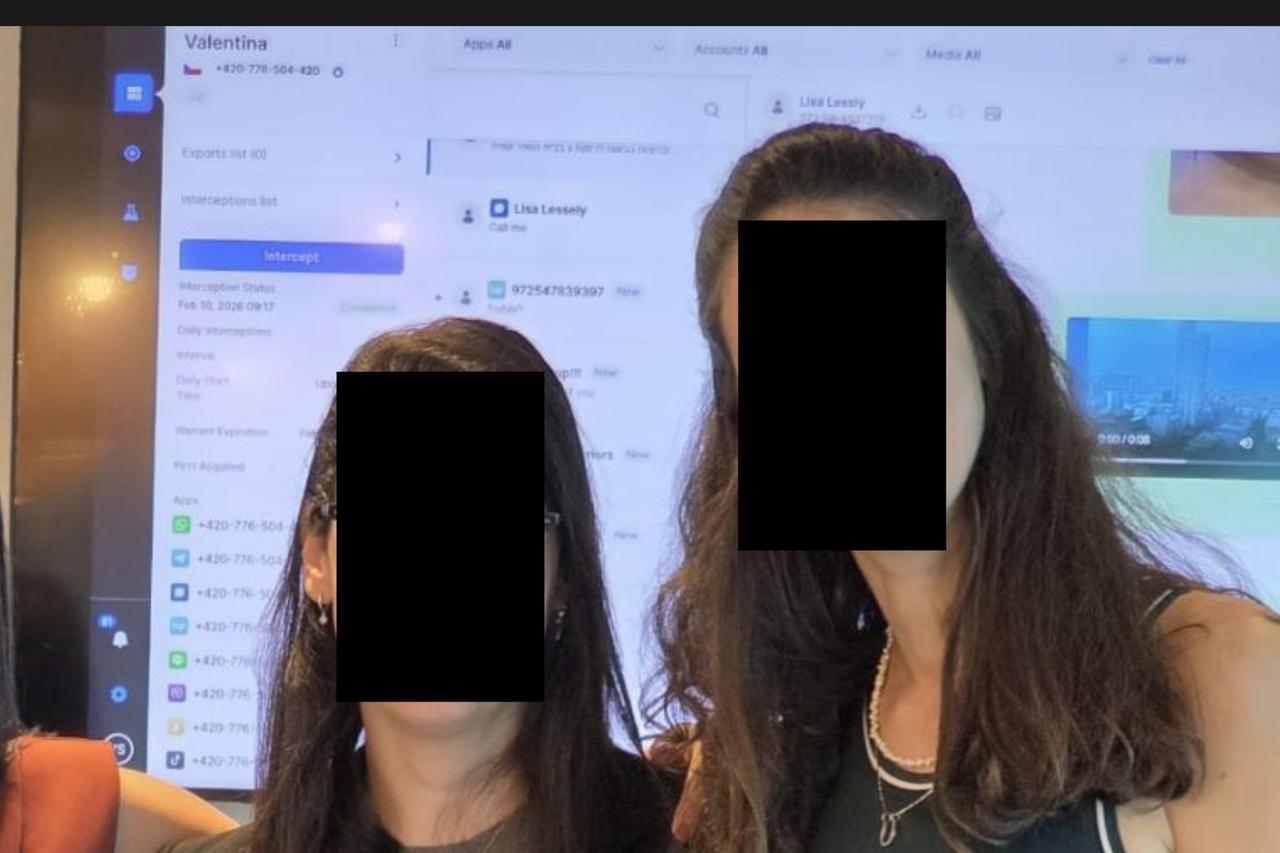
There is no documented use of Graphite in the Gulf so far. Yet the history of Gulf states purchasing Israeli spyware and using it against dissidents means the possibility remains very real. Graphite can reportedly exploit security vulnerabilities without requiring the target to click a malicious link or interact with the device in any way. The absence of official confirmation does not mean such tools are not being used.
The Gulf states have shifted from claiming to defend national security to building systems of permanent repression. They have exploited the war on Iran to expand prosecutions under labels such as “combating disinformation,” “preventing rumors,” “treason,” and “sympathy with the enemy.”
What is taking shape is not a temporary wartime response, but a deeper transformation in the meaning of security itself. Across the Gulf, governments are imposing the official narrative by force and treating any alternative version of events as a punishable offense.
The repression machine continues in war as in peace.
Poll
Has the war on Iran given Gulf governments a new pretext to suppress dissent?Yes, the war is being used to justify a major expansion of repressionGulf states are reacting to real security threats, not targeting dissentThe crackdown began long before the war, but the conflict accelerated itRepression varies from one Gulf state to another
25 votes, 4 days and 15 hours left
Tags: History, Iran, Israel, Middle East, politics


Leave a Reply