Archive for the ‘Muslims’ Category

US Chiefs Can’t be Sued for ‘Terror Torture

May 19, 2009

By Robert Barnes | The Washington Post, Tuesday, May 19, 2009

The Supreme Court ruled today that former attorney general John Ashcroft and FBI Director Robert Mueller may not be sued by Arab Muslims who were seized in this country after the 2001 terrorist attacks and allege harsh treatment because of their religion and ethnicity.

The court ruled 5 to 4 that the top officials are not liable for the actions of their subordinates absent evidence that they ordered the allegedly discriminatory activity. The decision followed the court’s ideological split between conservatives and liberals, with Justice Anthony M. Kennedy siding with the conservatives and writing the opinion.

In a separate decision, the court ruled that women who worked for companies whose maternity leave policies were discriminatory cannot sue under today’s laws that make such policies illegal. In a case involving AT&T, the court ruled 7 to 2 that such policies were “bona fide” at the time, and women may not challenge them retroactively.

The suit against Ashcroft and Mueller was brought by a Pakistani citizen living legally in the country when he was arrested in the months after the Sept. 11, 2001, terrorist attacks on the World Trade Center and Pentagon.

Javaid Iqbal was held in solitary confinement in a section of a Brooklyn prison known as Admax-Shu, for “administrative maximum special housing unit,” where he said he was subjected to numerous beatings and strip searches. He was convicted of document fraud and deported to Pakistan but cleared of any involvement in terrorism. An Egyptian Muslim who was also part of the suit, Ehad Elmaghraby, settled with the government for $300,000. Similar suits are pending.

Iqbal’s case names prison guards, FBI agents, the warden of the prison — who was the subject of a critical report from the Justice Department inspector general — up to Ashcroft, who was attorney general at the time of the attack. Iqbal says policies formulated by Ashcroft and Mueller singled him out as a suspect of “high interest” solely because of his nationality and religion.

The U.S. Court of Appeals for the 2nd Circuit in New York acknowledged that top government officials carry immunity but decided it was at least “plausible” that Ashcroft and Mueller were responsible for, or knew about, the discriminatory actions Iqbal alleges.

President Obama Chooses a Reliable Dictatorship

May 13, 2009

Wajahat Ali | Guardian, UK, May 11, 2009

By choosing Cairo, Egypt as the platform for his long awaited address to the global Muslim community, President Barack Obama predictably leans on a reliable dictatorship suffocating a country that is teetering toward religious and political irrelevance.

Indeed, modern Egypt resembles its ubiquitous tourist attraction, the Sphinx, the symbolic temple guardian adorned with a human head on a prostrate lion.

Similarly, the near-30-year, brutal autocracy of Hosni Mubarak weighs heavily on the immobilised body of an exasperated, stifled and proud populace who’ve wearily observed their country, a former beacon for Arab nationalism, transformed into a loyal watchdog and stooge for anti-democratic, “pro-western” policies.

Perhaps Turkey, which Obama visited last month, served as a more ideal and dynamic location due to its successful marriage of secular democracy and Islam, as evidenced by the election of the AKP party, a moderate, pro-western political party with Islamic leanings.

Or Obama could have chosen Indonesia, the most populous Muslim nation in the world, which recently held free elections and whose citizens roundly rejected rightwing, deeply conservative Islamic parties in favor of non-sectarianism and moderation.

Obama’s speech in Cairo on June will mark the third time he has addressed the Muslim world, seeking partnership and conciliation with Muslims jaded by George Bush’s unrelentingly belligerent and humiliating “war on terror” policies and his divisive, poisonous rhetoric.

In his first major interview to Al-Arabiya, Obama proclaimed: “My job to the Muslim world is to communicate that the Americans are not your enemy.

Yet, Obama’s choice of Egypt is an implicit endorsement and validation of Mubarak’s dictatorship, and it reiterates the oft-spoken but albeit true cliché in the Muslim world that US merely covets selfish policy interests instead of democratization, autonomy and self determination by and for the Arab and Muslim people.

During a visit to Egypt last week, Robert Gates, the US secretary of defense, affirmed that America’s $2bn in aid to Egypt will continue, thus assuring Egypt’s perennial spot as one of US’s closest allies and recipients of monetary benevolence.

This charity flows annually despite the Egyptian government’s brutal crackdown on political opposition, the free press, dissidents and even critical bloggers whose punishment runs the ignominious gamut from harassment and arrests to torture and “mysterious disappearances”. For example, a Christian blogger, Hani Nazeer Aziz, turned himself in after the government’s security apparatus arrested two of his brothers and used them as hostages, forcing his surrender.

Mubarak’s Egypt also shares a lucrative outsourcing arrangement with the US. Instead of telecommunication and tech support services, Egypt, along with Syria, specializes in torture, so US can conveniently bypass laws, due process and international human rights. Mamdouh Habib, who was eventually sent to Guantánamo Bay, was outsourced by the US to Egypt, where he said he was “hung by his arms from hooks, repeatedly shocked, nearly drowned and brutally beaten“, according to the Washington Post.

Partaking in what is now a routine and convenient pastime for dictators of Muslim countries, Mubarak casually manipulates the constitution like Play-Doh. His government recently amended the document to outlaw opposing “religious parties” like the Muslim Brotherhood – an influential, extremely conservative Islamic political party that won 20% of parliamentary seats in 2005 elections – and neuter judicial supervision over future sham elections, thus ensuring the Mubarak dictatorship dynasty is passed on to his son, Gamal.

Saudi Arabia, Pakistan and Jordan follow this brazen display of forceful attempts to stifle democracy. All of them are long-term US allies whose respective leaders have shared cozy, mutually beneficial relationships. Sadly, the US seems more committed to supporting reliable despots who toe the line than to dealing with democratic parties representative of the people’s desires and values.

If Obama is sincere in treating Muslims as partners and engaging them with mutual respect, his very pretty words must inspire legitimate policy reform. First, he must use this opportunity to empathize with the people’s concerns by denouncing the heinous crimes and oppressive, intolerant conduct of client autocrats, such as Mubarak and the Saudi royal family – just to name a couple.

Second, he must implement a long-term policy initiative that nurtures the emergence of vibrant democratic parties representing the people’s voice throughout the Middle East, especially in Egypt, which has been paralyzed by a faltering national economy and decades of unrelenting dictatorships.

Although Obama’s shameful silence on Israel’s massacre in Gaza and his increasingly unsuccessful and casualty-inducing drone attacks in Pakistan have left many Muslims frustrated, his words of conciliation, dignity and respect continue to inspire optimistic Egyptians and Muslims abroad, whose only currency now is hope for an new era of changed, enlightened US relations with the Middle East that does not depend on dictatorships and prostration.

Wajahat Ali is a Muslim American of Pakistani descent. He is a playwright, essayist, humorist and Attorney at Law, whose work, “The Domestic Crusaders” is the first major play about Muslim Americans living in a post 9-11 America. His blog is at http://goatmilk.wordpress.com/

Britain Tries to Block CIA Rendition Case

May 5, 2009
by William Fisher | Antiwar.com,  May 05, 2009

British High Court judges are expected to rule this week on whether a document by the U.S. Central Intelligence Agency can be publicly disclosed, thus opening the courthouse door to a lawsuit charging that the British government was complicit in facilitating the rendition of a British resident by the CIA, which tortured and secretly imprisoned him at Guantánamo Bay.

Lawyers acting for David Miliband, the British foreign secretary, last week made a last-ditch attempt to block the release of the CIA information, which reportedly shows what British authorities knew about the mistreatment of British resident Binyam Mohamed.

The information is a seven-paragraph summary of CIA documents, described earlier by Lord Justice Thomas and Mr. Justice Lloyd Jones as containing nothing which could “possibly be described as ‘highly sensitive classified U.S. intelligence.’”

In a ruling earlier this year, the High Court judges said: “Indeed we did not consider that a democracy governed by the rule of law would expect a court in another democracy to suppress a summary of the evidence contained in reports by its own officials … relevant to allegations of torture and cruel, inhumane, or degrading treatment, politically embarrassing though it might be.”

However, David Mackie, a senior government lawyer, told the two judges that Miliband had been told by Obama administration officials that the disclosure of the seven paragraphs “could likely result in serious damage to UK and U.S. national security.”

The claim was made despite Obama’s recent decision to release detailed information about CIA interrogation techniques, including waterboarding.

Lawyers for Mohamed say Obama’s action means it is highly unlikely that the president would object to the disclosure of the CIA summary.

This latest move in the long-running case in the High Court comes as a federal appeals court in the U.S. gave the legal green light to a case brought there by five men including Mohamed and another British resident, Bisher al-Rawi, who say they were tortured under the CIA’s extraordinary rendition program.

The five former Guantánamo Bay detainees are suing Boeing subsidiary Jeppesen Dataplan for allegedly providing flights to secret prisons overseas, where the abuse is said to have happened.

In what may become a landmark decision, a federal appeals court recently ruled that the “state secrets privilege” – routinely used by the government to block lawsuits against its officials – can only be used to contest specific evidence, but not to dismiss an entire suit.

The ruling, which was hailed by human rights advocates, came in connection with a lawsuit against a company known as Jeppesen DataPlan for its role in the government’s “extraordinary rendition” program during the administration of former President George W. Bush.

“This is a tremendous step forward,” said Mohamed’s lawyer, Clive Stafford Smith, director of the Britain-based legal charity Reprieve, referring to the decision in the U.S. case.

“Binyam Mohamed, Bisher al-Rawi [another plaintiff] and perhaps many others are one step closer to making the CEOs of these companies stop and think before they commit criminal acts for profit,” he told IPS.

Reprieve’s renditions investigator Clara Gutteridge said: “It is inconceivable that Jeppesen acted alone. People in the highest echelons of the U.S. – and in some cases the UK– governments have authorized illegal rendition flights and must also be held accountable.”

The U.S. suit charges that Jeppesen knowingly participated in the rendition program by providing critical flight planning and logistical support services to aircraft and crews used by the CIA to forcibly “disappear” the five men to U.S.-run prisons or foreign intelligence agencies overseas where they were interrogated under torture. Jeppesen is a subsidiary of aerospace giant Boeing. The lawsuit was brought by the American Civil Liberties Union (ACLU).

During the Bush administration, the government intervened when the case first came before a lower court in 2007, successfully asserting the “state secrets” privilege to have the case thrown out in February 2008. On appeal, the administration of President Barack Obama followed the same road as its predecessor. The appeals court has now reversed that decision.

But lawyers for the men who brought the case also sounded a note of caution. “This historic decision marks the beginning, not the end, of this litigation,” Ben Wizner, staff attorney with the ACLU National Security Project, told IPS. Wizner argued the case for the plaintiffs.

The U.S. appeals court ruling means that the government can assert the “state secrets” privilege for specific pieces of evidence, but not to end a case before it begins.

That means that the privilege is primarily an evidentiary privilege, a definition civil libertarians have long sought. The State Secrets Protection Act, now pending in Congress, would turn that definition into law.

The Obama administration now has three options. It can do nothing, which will mean the case will finally go before a U.S. court. It can ask the entire Ninth Circuit Court of Appeals to rehear the case. Or it can appeal the case to the Supreme Court.

If the case goes to trial, the government can still argue that disclosing anything about Jeppesen’s relationship with the United States government would jeopardize national security secrets. But now it can no longer simply “assert” that privilege; it will have to convince a judge by arguing the point in court.

(Inter Press Service)

How Bush’s Tortured Legal Logic Won

April 17, 2009

Robert Parry | Consortiumnews.com, April 17, 2009

Almost as disturbing as reading the Bush administration’s approved menu of brutal interrogation techniques is recognizing how President George W. Bush successfully shopped for government attorneys willing to render American laws meaningless by turning words inside out.

The four “torture” memos, released Thursday, revealed not just that the stomach-turning reports about CIA interrogators abusing “war on terror” suspects were true, but that the United States had gone from a “nation of laws” to a “nation of legal sophistry” – where conclusions on law are politically preordained and the legal analysis is made to fit.

You have passages like this in the May 10, 2005, memo by Steven Bradbury, then acting head of the Justice Department’s Office of Legal Counsel:

“Another question is whether the requirement of ‘prolonged mental harm’ caused by or resulting from one of the enumerated predicate acts is a separate requirement, or whether such ‘prolonged mental harm’ is to be presumed any time one of the predicate acts occurs.”

As each phrase in the Convention Against Torture was held up to such narrow examination, the forest of criminal torture was lost in the trees of arcane legal jargon. Collectively, the memos leave a disorienting sense that any ambiguity in words can be twisted to justify almost anything.

So, a “war on terror” prisoner could not only be locked up in solitary confinement indefinitely based on the sole authority of President Bush but could be subjected to a battery of abusive and humiliating tactics, all in the name of extracting some information that purportedly would help keep the United States safe – and it would not be called “torture.”

Some tactics were bizarre, like feeding detainees a liquid diet of Ensure to make “other techniques, such as sleep deprivation, more effective.” The memo’s sleep deprivation clause, in turn, allowed interrogators to shackle prisoners to an overhead pipe (or in some other uncomfortable position) for up to 180 hours (or seven-and-a-half days).

While shackled, the prisoner would be dressed in a diaper that “is checked regularly and changed as necessary.” The memo asserted that “the use of the diaper is for sanitary and health purposes of the detainee; it is not used for the purpose of humiliating the detainee, and it is not considered to be an interrogation technique.”

Beyond the painful disorientation from depriving a person of sleep while chained in a standing position for days, the Justice Department memos called for prisoners to be forced into other “stress positions” for varying periods of time to cause “the physical discomfort associated with muscle fatigue.”

Tiny Boxes

The detainees also could be put into small, dark boxes where they could barely move (and in the case of one detainee, Abu Zubaydah, could have an insect slipped into his box as a way of playing on his fear of bugs), according to the Aug. 1, 2002, memo.

“The duration of confinement varies based upon the size of the container,” the May 10, 2005, memo added, with the smaller space (sitting only) restricted to two hours at a time and a somewhat larger box (permitting standing) limited to eight hours at a time and 18 hours a day.

Then, there were various slaps, grabs and slamming a prisoner against a “flexible” wall while his neck was in a sling “to help prevent whiplash.”

Prisoners also were subjected to forced nudity, sometimes in the presence of women, according to the May 10 memo.

“We understand that interrogators are trained to avoid sexual innuendo or any acts of implicit or explicit sexual degradation,” the memo said. “Nevertheless, interrogators can exploit the detainee’s fear of being seen naked.

“In addition, female officers involved in the interrogation process may see the detainees naked; and for purposes of our analysis, we will assume that detainees subjected to nudity as an interrogation technique are aware that they may be seen naked by females.”

Another approved technique was “water dousing” in which a detainee is sprayed with water that can be as cold as 41 degrees Fahrenheit for up to 20 minutes. Slightly warmer water could be used to douse a prisoner for longer periods of time.

Both the 2002 and 2005 memos permitted the “waterboard,” a technique that involves covering a prisoner’s face with a cloth and pouring water on it to create the panicked sensation of drowning. The interrogators also were authorized to prevent a detainee from trying to “defeat the technique” by thrashing about or trying to breathe from the corner of his mouth.

“The interrogator may cup his hands around the detainee’s nose and mouth to dam the runoff, in which case it would not be possible for the detainee to breathe during the application of the water,” the May 10 memo reads. “In addition, you have informed us that the technique may be applied in a manner to defeat efforts by the detainee to hold his breath by, for example, beginning an application of water as the detainee is exhaling.”

At least since the days of the Spanish Inquisition, waterboarding has been regarded as torture. The U.S. government prosecuted Japanese soldiers who used it against American troops in World War II. But the legal reasoning of the Bush administration’s memos transformed waterboarding into an acceptable method of interrogation.

Lawyer-Shopping

Although the four released memos included the most famous one – from Aug. 1, 2002, which provided the initial legal cover for abusive interrogations – the three others from May 2005 may be more significant in destroying the legal cover that President Bush and his senior aides have hidden behind.

Their claim has been that they were simply operating within legal parameters set by lawyers at the Justice Department’s Office of Legal Counsel, which is responsible for advising Presidents on the limits of their authority. In other words, professional lawyers provided objective legal advice and the administration simply followed it.

But that claim now collides with the reality that other Justice Department lawyers – from 2003 to 2005 – overturned the initial memo and resisted its reimplementation until they were ousted. In effect, the Bush administration appears to have gone lawyer-shopping for attorneys who would craft opinions that the White House wanted.

Assistant Attorney General Jay Bybee signed the original Aug. 1, 2002, “torture” memo and other opinions granting expansive presidential powers (drafted by his deputy John Yoo).

However, Bybee quit in 2003 to accept President Bush’s appointment of him as a federal appeals court judge in San Francisco, and his successor as head of the Office of Legal Counsel, Assistant Attorney General Jack Goldsmith, withdrew many Bybee-Yoo memos as legally flawed.

Goldsmith’s actions angered the White House, particularly Vice President Dick Cheney’s legal counsel David Addington. In a 2007 book, The Terror Presidency, Goldsmith described one White House meeting at which Addington pulled out a 3-by-5-inch card listing the OLC opinions that Goldsmith had withdrawn.

“Since you’ve withdrawn so many legal opinions that the President and others have been relying on,” Addington said sarcastically, “we need you to go through all of OLC’s opinions and let us know which ones you will stand by.”

Though supported by Deputy Attorney General James Comey, Goldsmith succumbed to the White House pressure and quit in 2004. Still, despite Goldsmith’s departure, Comey and the new acting head of the OLC, Daniel Levin, resisted restoring the administration’s right to use the harsh interrogation techniques.

That didn’t occur until White House counsel Alberto Gonzales became Attorney General in 2005 and made Bradbury the acting chief of the OLC. After signing the three “torture” memos in May, Bradbury was rewarded with Bush’s formal nomination in June to be Assistant Attorney General for the OLC (although he never gained Senate confirmation).

Comey Departs

With the OLC reaffirming the administration’s interrogation techniques, Comey’s days were numbered.

Though having been a successful prosecutor on past terrorism cases, such as the Khobar Towers bombing which killed 19 U.S. servicemen in 1996, Comey had earned the derisive nickname from Bush as “Cuomey” or just “Cuomo,” a strong insult from Republicans who deemed former New York Gov. Mario Cuomo to be excessively liberal and famously indecisive.

On Aug. 15, 2005, in his farewell speech, Comey urged his colleagues to defend the integrity and honesty of the Justice Department.

“I expect that you will appreciate and protect an amazing gift you have received as an employee of the Department of Justice,” Comey said. “It is a gift you may not notice until the first time you stand up and identify yourself as an employee of the Department of Justice and say something – whether in a courtroom, a conference room or a cocktail party – and find that total strangers believe what you say next.

“That gift – the gift that makes possible so much of the good we accomplish – is a reservoir of trust and credibility, a reservoir built for us, and filled for us, by those who went before – most of whom we never knew. They were people who made sacrifices and kept promises to build that reservoir of trust.

“Our obligation – as the recipients of that great gift – is to protect that reservoir, to pass it to those who follow, those who may never know us, as full as we got it. The problem with reservoirs is that it takes tremendous time and effort to fill them, but one hole in a dam can drain them.

“The protection of that reservoir requires vigilance, an unerring commitment to truth, and a recognition that the actions of one may affect the priceless gift that benefits all. I have tried my absolute best – in matters big and small – to protect that reservoir and inspire others to protect it.”

Though the full import of Comey’s comments was not apparent at the time, it now appears that he was referring to the legal gamesmanship that Bradbury and others had used to circumvent American laws and traditions to enable the Bush administration to engage in torture.

In releasing the four memos on Thursday, President Barack Obama and Attorney General Eric Holder repeated their rejection of the Bybee-Yoo-Bradbury legal theories, but also stipulated that they would oppose any legal action against the CIA interrogators who abused detainees under the Bush administration’s legal guidance.

Neither Obama nor Holder spoke specifically about possible legal accountability for Bush’s compliant lawyers — or for Bush and his top aides who oversaw the torture policies and picked the lawyers. However, Obama recommended a focus on the future, not the past.

Calling the period covered by the four memos a “dark and painful chapter in our history,” Obama added that “nothing will be gained by spending our time and energy laying blame for the past.”

The lack of accountability for Bush and his lawyers, however, may mean that future Presidents will follow Bush’s lead and assign some clever legal wordsmiths the job of finding ways around criminal statutes, international treaties and the U.S. Constitution.

If legal language can be interpreted any way that a President wishes – and if the U.S. Supreme Court is stocked with like-minded judges – then laws will no longer protect anyone, whether a suspected Middle Eastern terrorist or an American citizen.

Robert Parry broke many of the Iran-Contra stories in the 1980s for the Associated Press and Newsweek. His latest book, Neck Deep: The Disastrous Presidency of George W. Bush, was written with two of his sons, Sam and Nat, and can be ordered at neckdeepbook.com. His two previous books, Secrecy & Privilege: The Rise of the Bush Dynasty from Watergate to Iraq and Lost History: Contras, Cocaine, the Press & ‘Project Truth’ are also available there. Or go to Amazon.com.

Bush Administration authorized use of insects in interrogations

April 17, 2009
John Byrne | The Raw Story
Published: Thursday April 16, 2009
Print This Email This TwitThis

The Bush Administration Office of Legal Counsel authorized the Central Intelligence Agency to put insects inside a confinement box as part of the Administration’s “harsh interrogation” practice, as well as throwing detainees into walls, according to memos released by President Barack Obama on Thursday.

Read the full memos here.

“You would like to place Zubadayah in a cramped confinement box with an insect. You have informed us he has a fear of insects,” the Bush White House said.

“As we understand it, no actually harmful insect will be placed in the box. Thus, though the introduction of an insect may produce trepidation in Zubaydah (which we discuss below), it certainly does not cause physical pain.”

But, the memo cautioned, to comply with the law, the CIA “must inform him that the insects will not have a sting that would produce death or severe pain.”

Part of the text beneath a description of the insect torture was redacted.

Time‘s Michael Scherer notes, “The insect interrogation technique, as it turned out, was never used by the CIA, according to a second declassified memo released Thursday. ‘We understand that — for reasons unrelated to any concerns that it might violate the [criminal] statute — the CIA never used the technique and has removed it from the list of authorized interrogation techniques,’ wrote Steven Bradbury, a principal deputy assistant attorney general, in the footnote to a on May 10, 2005 document.”

Detailed description of ‘walling’ detainees

It also provides a detailed description of “walling,” a practice in which detainees were thrown against walls as part of the interrogation process (one detainee said his neck was tied with a towel and thrown against a plywood wall in a recently leaked Red Cross report).

“For walling, a flexible false wall will be constructed. The individual is placed with his heels touching the wall. The interrogator pulls the individual forward and then quickly and firmly pushes the individual into the wall. It is the individual’s shoulder blades that hit the wall.

“During this motion, the head and neck are supported with a rolled hood or towel that provides a c-collar effect to help prevent whiplash. To further reduce the probability of injury, the individual is allowed to rebound from the flexible wall. You have orally informed us that the false wall is in part constructed to create a loud sound when the individual hits it, which will further shock or surprise in the individual. In part, the idea is to create a sound that will make the impact seem far worse than it is and that will be far worse than any injury that might result from the action.”

The White House lawyers characterized this practice as “rough handling.”

“While walling involves what might be characterized as rough handling, it does not involve the threat of imminent death or, as discussed above, the infliction of severe physical pain. Moreover, once again we understand that use of this technique will not be accompanied by any specific verbal threat that violence will ensue absent cooperation. Thus, like the facial slap, walling can only constitute a threat of severe physical pain if a reasonable person would infer such a threat from the use of the technique itself. Walling does not in and of itself inflict severe pain or suffering.”

As part of the release of the memos Thursday, the Justice Department said they would provide attorneys to any CIA interrogator who engaged in the practice thinking it was lawful under the aegis of the memo.

According to Newsweek‘s Michael Isikoff, writing earlier this year, former Bush officials may find themselves in hot water over one of the memos released Thursday.

“An internal Justice Department report on the conduct of senior lawyers who approved waterboarding and other harsh interrogation tactics is causing anxiety among former Bush administration officials,” Isikoff wrote. “H. Marshall Jarrett, chief of the department’s ethics watchdog unit, the Office of Professional Responsibility (OPR), confirmed last year he was investigating whether the legal advice in crucial interrogation memos ‘was consistent with the professional standards that apply to Department of Justice attorneys.’ According to two knowledgeable sources who asked not to be identified discussing sensitive matters, a draft of the report was submitted in the final weeks of the Bush administration. It sharply criticized the legal work of two former top officials—Jay Bybee and John Yoo—as well as that of Steven Bradbury, who was chief of the Office of Legal Counsel (OLC) at the time the report was submitted, the sources said. (Bybee, Yoo and Bradbury did not respond to multiple requests for comment.)”

“The matter is under review,” Justice Department spokesman Matthew Miller is quoted as saying.

Read the full memos here.

What It Would Take to Mend Fences with Islam

April 10, 2009

By Patrick Goodman | Counterpunch, April 9, 2009

The start of the Iraq war in 2003 marked a crucial break between the US and almost all the states of the region. “None of Iraq’s neighbors, absolutely none, were pleased by the American occupation of Iraq,” says the Iraqi Foreign Minister, Hoshyar Zebari. Long-term US allies like Turkey astonished the White House by refusing to allow US troops to use its territory to invade Iraq.

Barack Obama, who made his first official visit to the country on Tuesday, is now trying to disengage from Iraq without appearing to scuttle or leave anarchy behind.

He is trying to win back old allies, and, as he made clear in a speech in Ankara on Monday, to end the confrontation between the US and Islam which was president Bush’s legacy.

It is not easy for Mr Obama to reverse the tide of anti-Americanism or bring to an end the wars which Mr Bush began. For all the Iraqi government’s claim that life is returning to normal in Baghdad the last few days have seen a crescendo of violence. The day before the President arrived, six bombs exploded in different parts of Baghdad, killing 37 people.

And as much as Mr Obama would like to treat the Iraq war as ancient history, the US is still struggling to extricate itself. The very fact that the Democratic President had to arrive in Iraq by surprise for security reasons, as George Bush and Tony Blair invariably did, shows that the conflict is refusing to go away.

The Iraqi Prime Minister and President remain holed up in the Green Zone most of the time. The American President could not fly into the Green Zone by helicopter because of bad weather but the airport road is still unsafe and Baghdad remains one of the most dangerous countries in the world. The Iraqi political landscape too was permanently altered by the US invasion and it will be difficult to create a stable Iraqi state which does not depend on the US. Opinion polls in Iraq show that most Iraqis believe that it is the US and not their own government which is in control of their country.

One change which is to Mr Obama’s advantage is that the American media have largely stopped reporting the conflict because they no longer have the money to do so and a majority of Americans think the,  war was won. But the danger for the President is that if there is a fresh explosion in Iraq, he may be blamed for throwing away a victory that was won by his predecessor.

The rhetoric with which the US conducts its diplomacy is easier to change than facts on the ground in Iraq or Afghanistan. Mr Obama’s speech to the Turkish parliament in Ankara was a carefully judged bid to reassure the Muslim world that the US is not at war with Islam.
Everything he said was in sharp contrast to George Bush’s bellicose threats post 9/11 about launching a “crusade” and to the rhetoric of neo-conservatives attacking “Islamo-fascism” or claiming that there was a “clash of civilizations.”

The leaders of states with Muslim majorities appreciate the different tone of US pronouncements, but wonder how far Mr Obama will be able to introduce real change.

Turkish students at a meeting with Mr Obama in Istanbul voiced scepticism that American actions in future would be much different from what they were under Mr Bush. Reasonably enough, Mr Obama replied that he should be given time and “moving the ship of state is a slow process.” But he also cited the US withdrawal from Iraq as a sign that he would match actions to words.

Istanbul, on the boundaries of Europe and Asia, is a good place for the US leader to display a more conciliatory attitude towards Islam. The city is filled with grandiose monuments to Christianity and Islam, though religious tolerance was more in evidence under the Ottoman empire than since the foundation of the modern Turkish state in 1923. Mr Obama paid visits to the great Byzantine church of Hagia Sophia and was shown the splendors of the Blue Mosque by turbaned clerics.

But the women students wearing short skirts and without headscarves asking Mr Obama questions in fluent English give a misleading impression of the balance between the secular and the religious in modern-day Turkey.

The reality is that secularism is dying away in Turkey’s rural hinterland and is on the retreat even in Istanbul itself. Butchers selling pork are few compared to 20 years ago. Obtaining alcohol is quietly being made more difficult, except for foreign tourists, by high taxes on wine and expensive liquor licenses for restaurants.

The old middle class, particularly in Istanbul, Ankara and Izmir may be resolute in their defense of the secular state. But the so-called “Anatolian Tigers”, the new companies which have led Turkey’s spectacular economic growth, are generally owned and run by more conservative families where the women wear headscarves.
“Socially Turkey is becoming far more Islamic,” said one expert on Turkey yesterday, “although the ruling Justice and Development Party (AKP) is moving cautiously.”

Mr Obama’s effort to make a U-turn in American policy towards the Islamic world will ultimately depend on how far he changes US policy towards Israel and the Palestinians, the occupation of Iraq, the confrontation with Iran and Syria and the war in Afghanistan.

The Iranians, for instance, note that despite Mr Obama’s friendlier approach to them the US official in Washington in charge of implementing sanctions against them is a hold-over from the Bush administration.

The American confrontation with Islam post 9/11 always had more to do with opposition to foreign intervention and occupation than it did with cultural differences; the most ideologically religious Islamic countries such as Saudi Arabia supported the US and it is doubtful how far al-Qa’ida fighters were motivated primarily by religious fanaticism.
The chief US interrogator in Iraq, Major Mathew Alexander, who is credited with finding out the location of the al-Qa’ida leader Abu Musab al-Zarqawi, says that during 1,300 interrogations he supervised, he came across only one true ideologue. He is quoted as saying that “I listened time and time again to foreign fighters, and Sunni Iraqis, state that the No 1 reason they had decided to pick up arms and join al-Qa’ida was the abuses at Abu Ghraib and the authorized torture and abuse at Guantanamo Bay.”

This diagnosis by Major Alexander is confirmed by the history of Islamic fundamentalism across the Muslim world over the past 30 years.

It was the success of the Iranian revolution against the Shah in 1978/79 which began an era when political Islam was seen as a threat by the West, but Ayatollah Khomeini’s appeal to Iranians always had a strong strain of nationalism and his exiling by the Shah in 1964 was because of his vocal opposition to extra-territorial rights for US military personnel in Iran.

The success of political Islam over secular nationalism in the Arab world has largely been because of the former’s ability to resist the enemies of the community or the state. In Egypt the nationalism of Nasser was discredited by humiliating defeat in the 1967 war with Israel. In Iraq, for all his military bravado, Saddam Hussein was a notably disastrous military leader. All the military regimes espousing nationalism and secularism in the Arab world began or ended up turning into corrupt and brutal autocracies. In contrast, political Islam has been able to go some way towards delivering its promises of defending the community.

In Lebanon, Hizbollah guerrillas were able to successfully harass Israeli forces in the 1990s where Yasser Arafat’s commanders had abandoned their men and fled.

In Gaza this year, Hamas was able to portray itself as the one Palestinian movement committed to resisting Israel.

In Iraq, al-Qa’ida got nowhere until it could present itself as the opposition to the US occupation and as an ally, though a supremely bigoted and murderous one, of Iraqi nationalism.

In Afghanistan, the Taliban has the advantage of fighting against foreign occupation.

Secularism in the Arab world and in Afghanistan, on the other hand, has the problem that it is seen as being at the service of foreign intervention. It is why secularism and nationalism are ultimately stronger in Turkey than in almost all other Islamic countries.

Kemal Ataturk and the Turkish nationalists successfully defended the Turkish heartlands from foreign attack between 1915 and 1922. This gave secularism and nationalism a credibility and a popularity in Turkey which they never had in Iraq, Egypt or Syria.

Mr Obama’s aim of ending the confrontation between the US and the Muslim world is both easier and more difficult than it looks. It is easier because the confrontation is not primarily over religion or clashing cultures. But the confrontation is over real issues such as the fate of the Palestinians, the future of Iraq and the control of Afghanistan. And even if Mr Obama wanted to change the US political relationship with Israel, it is not clear that he has the political strength at home to do so.

If these concrete issues are not resolved then America’s confrontation with the Muslim world may remain as confrontational and difficult as it was under Mr Bush.

Patrick Cockburn is the author of ‘The Occupation: War, resistance and daily life in Iraq‘, a finalist for the National Book Critics’ Circle Award for best non-fiction book of 2006. His new book ‘Muqtada! Muqtada al-Sadr, the Shia revival and the struggle for Iraq‘ is published by Scribner

US Muslims Still Under Siege

April 10, 2009

By Andy Goodman | Truthdig, April 10, 2009

As President Barack Obama made his public appearance with Turkish President Abdullah Gul on Monday as part of his first trip to a Muslim country, U.S. federal agents were preparing to arrest Youssef Megahed in Tampa, Fla. Just three days earlier, on Friday, a jury in a U.S. federal district court had acquitted him of charges of illegally transporting explosives and possession of an explosive device.

Obama promised, when meeting with Gul, to “shape a set of strategies that can bridge the divide between the Muslim world and the West that can make us more prosperous and more secure.”

Megahed, acquitted by a jury of his peers, thought he was secure, back with his family. He was enrolled in his final course needed to earn a degree at the University of South Florida. Then the nightmare he had just escaped returned. His father told me: “Yesterday around noon, I took my son to buy something from Wal-Mart … when we received a call from our lawyer that we must meet him immediately. … When we got to the parking lot, we found ourselves surrounded by more than seven people. They dress in normal clothes without any badges, without any IDs, surrounded us and give me a paper.

“And they told me, ‘Sign this.’ ‘Sign this for what?’ I ask him. They told me, ‘We are going to take your son … to deport him.’ ”

Megahed is being held by U.S. Immigration and Customs Enforcement for a deportation proceeding. The charges are the same ones on which he was completely acquitted. In August 2007, Megahed and a fellow USF student took a road trip to see the Carolinas. When pulled over for speeding, police found something in the trunk that they described as explosives. Megahed’s co-defendant, Ahmed Mohamed, said they were homemade fireworks.

Prosecutors pointed to an online video by Mohamed, said to show how to convert a toy into an explosives detonator. Facing 30 years behind bars, Mohamed took a plea agreement and is now serving 15 years. Megahed pleaded not guilty, and the federal jury in his trial agreed with his defense: He was an unwitting passenger and completely innocent of any wrongdoing.

That’s where ICE comes in. Despite being cleared of the charges in the federal criminal case, it turns out that people can still be arrested and deported based on the same charges. The U.S. Constitution protects people from “double jeopardy,” being charged twice with the same offense. But in the murky world of immigrant detention, it turns out that double jeopardy is perfectly legal.

Ahmed Bedier, the president of the Tampa Human Rights Council and co-host of “True Talk,” a global-affairs show on Tampa community radio station WMNF focusing on Muslims and Muslim Americans, criticizes the pervasive and persistent attacks on the U.S. Muslim community by the federal government, singling out the Joint Terrorism Task Forces, or JTTFs. The JTTFs, Bedier says, “include not only federal FBI agents, but also postal inspectors, IRS agents, deputized local police officers and sheriff’s deputies, any type of law enforcement,” and when one agency fails to take down an individual, another agency steps in. “It’s like an octopus,” he says.

When the not guilty verdict was read in court last Friday, Megahed’s father, Samir, walked over to the prosecutors. Bedier recalled: “It startled many people. He walked over to the prosecution, the people that have been after his son for a couple of years now, and shook their hands, extended his hand, and he shook hands with the prosecution team and the FBI themselves and then also shook hands with the judge. The judge shook hands with Youssef and wished him ‘good luck in your future’ … the case was over.”

Obama said in Turkey, “[W]e do not consider ourselves a Christian nation or a Jewish nation or a Muslim nation; we consider ourselves a nation of citizens who are bound by ideals and a set of values.”

Until Monday, Samir Megahed praised the justice system of the United States. He told me, “I feel happiness, and I’m very proud, because the system works.” At a press conference after his son’s ICE arrest, he said: “America is the country of freedom. I think there is no freedom here. For Muslims there is no freedom.”

Denis Moynihan contributed research to this column.

Amy Goodman is the host of “Democracy Now!,” a daily international TV/radio news hour airing on more than 700 stations in North America. She was awarded the 2008 Right Livelihood Award, dubbed the “Alternative Nobel” prize, and received the award in the Swedish Parliament in December.

© 2009 Amy Goodman

Kashmir konflikt og kashmirernens politisk krav

March 31, 2009

Nasir Khan

Terrorangrepene i Mumbai i november 2008 ble fordømt av nærmest en hel verden. De minnet oss på, nok en gang, hvor viktig det er å bekjempe krefter som utfører politisk vold og etnisk/religiøst motivert terror på det indiske subkontinentet. Men de dype og underliggende årsake­ne til den elendigheten slike voldelige handlinger er et symptom på, blir ofte ignorert og underkjent. En av de viktigste årsakene er den uløste konflikten i Kashmir, som vekker sterke følelser av sinne hos millioner mennesker.

Problemene med vold og terror i denne delen av verden kan slett ikke løses slik Bush-administra­sjonen har forsøkt å gjøre det: Å gjenta mantraet om «krig mot terror» og samtidig planlegge og sette i gang massiv aggresjons­krig hjelper ikke det spor. Tvert imot har Bushs kortsiktige propa­gandatriks bidratt til å dekke over aggresjonskrigføringen og lagt grunnlaget for mer vold, fl ere massakrer. Hensikten er å fremme herredømme og imperia­listiske interesser: Den såkalte «krigen mot terror» er i virkelig- heten en forlengelse av USAs imperialistiske strategi for å nå egne mål i Midtøsten, men også langt utenfor regionen. Det er innlysende at ethvert seriøst forsøk på å bekjempe terror må ta terrorens årsaker i betraktning og ikke nøye seg med å angripe symptomene som ligger opp i dagen.

Den uløste konflikten i Kash­mir har siden 1947 brakt India og Pakistan stadig videre på en farlig konfrontasjonskurs. Dette året endte britene sitt styre i regionen, og som en siste gest mot sine undersåtter besluttet imperieherskerne å dele India langs etnisk/religiøse linjer.

Britene førte under hele proses­sen et dobbeltspill hvor de delte ut velsignelser og beskyttelse med den ene hånda og elendighet med den andre. Med sin grense­dragning mellom de to framvok­sende nasjonene i området åpnet britene en Pandoras eske for kommende generasjoner. De som hadde noe å takke for tjenesten, gjorde det til gagns: Britenes siste guvernør for India, Lord Mountbatten, ble utnevnt til det frie Indias første generalguver­nør. Den nøye utarbeidete og målrettede inndelingen skulle vise seg å tjene ett lands interesse på det andres bekostning.

På den tida India ble delt, var prinsedømmet Jammu/Kashmir styrt av Maharaja Hari Singh. Han var hindu, fra den etniske gruppa Dogra, og oldebarn av Gulab Singh, som hadde kjøpt hele Kashmirdalen fra britene som følge av den såkalte Amrit­sar-avtalen av 1846. Ettersom det store flertallet av innbyggerne i Kashmir var muslimer, var det ventet at Kashmir ville tilfalle det nye Pakistan etter delingen. Folk fra den delen av regionen som seinere ble kjent som Azad Kashmir («Fritt Kashmir») startet sammen med stammekrigere fra Nordvestlige grenseprovins (NWBP) i Pakistan en geriljaof­fensiv mot staten for å presse Hari Singh til å la Kashmir inngå i Pakistan. Herskeren ba da Lord Mountbatten om hjelp, og ble lovet det – på betingelse av at han sluttet seg til India. Dermed startet den første indisk-pakis­tanske krigen. Den endte i 1949 med en våpenhvile nedsatt av FN, som da nylig var stiftet, etter at India i 1948 hadde brakt Pakistan inn for Sikkerhetsrådet. Våpenhvilen innebar også etableringen av en delelinje, som har forblitt de facto grense mellom det indisk-kontrollerte Kashmir og Azad Jammu/ Kashmir (kalt pakistansk­okkupert Kashmir av inderne).

Sikkerhetsrådet vedtok tre resolusjoner i 1948/49 som også anerkjenner rettighetene til innbyggerne i Kashmir, hvis landområder de to nasjonene sloss om. Ifølge FN-resolusjo­nene skal India og Pakistan avholde folkeavstemning i Kashmir, slik at folk der kan få avgjøre sin egen framtid. Indias daværende statsminister Jawa­harlal Nehru lovet folket i Jammu/Kashmir uavhengighet så snart det ble fred i området. Dette løftet brøt han da kamp­handlingene tok slutt, og innhol­det i resolusjonene ble aldri fulgt opp. Derimot ga indiske myndig­heter Kashmir en særstatus som åpner for større grad av selvstyre i regionen.

Hensikten med dette var å pasifisere befolkningen når herskeren seinere lot regionen inngå i India. Løftet om folkeav­stemning er fortsatt ikke inn­fridd, og den ene indiske regje­ringen etter den andre har hardnakket hevdet at Kashmir er en del av India. Ethvert krav fra folk i regionen om folkeavstem­ning og enhver protest mot den indiske okkupasjonen har blitt ansett som et internt indisk anliggende. Ingen tredjepart er gitt anledning til å uttale seg på vegne av kashmirerne eller fremme de rettighetene som ifølge FN-charteret og resolusjo­nene fra 1948/49 er legitime. I stedet brøt det i 1965 ut ny krig mellom India og Pakistan om Kashmir.

I tiårene som fulgte har kashmirernes lidelse økt i omfang. De har utfordret legitimiteten til den indiske okkupasjonen, og i 1989 startet de væpnet kamp for å kaste okkupantene på dør.
Det indiske militæret slo hardt tilbake, med massearestasjoner, vold og forsvinninger som konsekvens. India har sendt flere enn 500 000 soldater for å undertrykke muslimene i Kashmir. I følge forsiktige anslag har indiske styrker tatt livet av rundt 70 000 mennesker og brutalisert en hel befolkning. Kilder i Kashmir mener tallet på drepte er så høyt som 100.000. I den væpnete kampen har hindumi­noriteten i området, panditene, blitt offer for opprørerne, og ifølge statlige myndigheter har flere enn 200.000 av dem fl yktet fra Kashmir. Noen har søkt tilflukt i Jammu, andre har dratt til India. Etter landfl yktigheten har panditene levd under sørgelige forhold. Men det er oppmuntrende å se at kashmir­ske muslimer og deres lederskap i sin helhet nå ber sine hindubrø­dre om å vende tilbake til hjem­landet.

Etter 18 års brutal militærok­kupasjon sto den indiske regje­ringen så overfor en ny situasjon: Jihad-rådet i Kashmir tok til orde for å avslutte den væpnete kampen og oppfordret alle militante til å bruke ikke­voldelige og fredelige metoder i kampen for frigjøring fra India. Ropet om frihet – azadi – har blitt høyere, og India kan ikke drukne det med sine maskingevær og plyndrende militærstyrker. Imidlertid har de indiske lederne vist liten vilje til å lytte til folket og har i stedet holdt Kashmirda­len under streng militær bevokt­ning.

Den pågående konflikten har ført til ufattelig stor nød og ødeleg­gelse i Kashmir. Samtidig er den en viktig årsak til spenningen India og Pakistan imellom. Rivaliseringen om regionen har ført de to landene inn i militær opptrapping og våpenkappløp – der anskaffelsen av atomvåpen er en del av bildet – som tapper begge for store ressurser. De to landenes myndigheter bruker et propagandaspråk mot hverandre som skaper fi endtlighet, mis­tenksomhet og hat og gjør at befolkningen på begge sider anser motparten for å være sin «dødsfi ende». Konfl ikten har forgiftet sinnene til både indere og pakistanere; den har pågått i mer enn seks tiår, og det er ingen løsning i sikte. I kjølvannet av situasjonen følger økt politisk polarisering og vedvarende spenning mellom de to folke­gruppene. Dette gjør det tilsva­rende vanskelig å løse uenighe­ten om Kashmir og andre konflikter og derigjennom normalisere forholdet mellom landene.

En annen urovekkende tendens er den økende politiske og religiøse ekstremismen i India og Pakistan. Denne utviklingen har i og for seg pågått i lengre tid; det nye er at ekstreme tendenser er allment akseptert som en del av det sosiale og politiske landskapet i begge land. Main­streampolitikken har blitt influert av gruppetenkningens og hatets predikanter og ypper­steprester.

Flere indiske partier står i nær forbindelse med Hindutva, den militante politiske hindunasjona­lismen, og organisasjonen Sangha Parivar fungerer som paraplyorganisasjon for partier som bekjenner seg til denne retningen. Hindutva-organisasjo­nene er influert av tanken om hinduistisk fl ertallsstyre, eller Rashtriya Swayamseval Sangh (RSS). Gjennom å identifi sere India med hinduisme og hindu­styre forsøker denne retningen å etablere en etnisk/religiøs dominans i landet. Det ledende indiske partiet Bharatya Janata Party (BJP) har stått i spissen for Hindutva-doktrinen og hinduise­ringen av landet som helhet. Jawaharlal Nehru advarte i sin tid om at dersom fascismen skulle gjøre seg gjeldende i India, ville det skje i form av majorite­tens (hindu-)nasjonalisme. I dag har hans ord og advarsler vist seg nærmest profetiske.

I Pakistan har fundamentalis­tiske religiøse partier forsøkt å ta monopol på islam. De har ikke på noe tidspunkt oppnådd særlig folkelig støtte og har gjort det tilsvarende dårlig i valg. Flere pakistanske religiøse ledere har imidlertid gjort seg notorisk bemerket med ukvemsord mot andre muslimer. Sunnipredikan­ter har rettet sin vrede mot de «vantro» sjiamuslimene, og sjia­predikantene har svart med samme mynt. Dette har forårsa­ket en negativ sirkel av vold og hatefulle beskyldninger i islams navn. Det er ingen tvil om at militante islamistiske grupper bidrar til denne negative utvik­lingen og utgjør en betydelig fare. Men Indias behandling av muslimene i Kashmir, samt landets uforsonlige holdning til konflikten, er noe alle pakista­nere ensidig fordømmer. Indias oppførsel provoserer også militante grupper som Lasher-e-Taiba; disse oppfordrer sine tilhengere til å hevne sine indiske religionsfellers lidelser, påført dem av militante hinduna­sjonalister – og til å slåss for Kashmirs frihet med alle midler, om nødvendig med vold. Angre­pene i Mumbai i november i fjor var et uttrykk nettopp for denne dynamikken.

De siste seksti årene har India opprettholdt sin okkupasjon av Kashmirdalen gjennom politisk manipulering og brutal militær­makt. Massakrene på kashmir­ske muslimer utført av indiske styrker vil under Folkeretten regnes som krigsforbrytelser. Men til sjuende og sist må lederne i New Delhi bære det endelige ansvaret for den folke­morderiske politikken. Indiske myndigheter kan ikke fortsette sin okkupasjon av Kashmir og tro at folk der – stilt overfor den militære og økonomiske stor­makten India, med imperialist-stater som USA og det sionistiske Israel som stadig nærere for­bundsfeller – skal gi opp sitt krav om frihet. Dersom okkupasjonen fortsetter, vil situasjonen garan­tert bare vil bli verre, og volden og terroren i området vil blom­stre.

De ti millioner muslimene i Kashmirdalen vil ha uavhengig­het fra indisk kolonistyre og undertrykking. Det mest fornuf­tige for India vil være å ta et oppgjør med fortidas politikk og erkjenne at folk i Kashmir har rett til sjølstyre. Dette vil ikke svekke India; tvert imot vil det demonstrere styrken i det indiske demokratiet og framheve den indiske kulturelle tradisjonens humane sider.

Hvorvidt befolkningen i Kashmir­dalen velger å slutte seg til India eller Pakistan – eller tar sikte på full sjølstendighet – bør være opp til dem å avgjøre. Uansett hvilken avgjørelse de fatter om sin egen framtid, bør den være deres alene, og dette er noe FN-resolu­sjonene gir dem rett til. Det er langt fra sikkert at folket i området velger å slutte seg til Pakistan, men i så fall har India ingenting å frykte. Da vil nemlig det hinduistiske Jammu-området og det buddhistiske Ladakh­området med all sannsynlighet bli en del av India. I stedet for å utsette dem for de militære styrkenes ydmykende og inhu­mane behandling, kan India gi folket i Kashmirdalen rett til å bestemme over sin egen skjebne. Med det kan de samtidig legge de politiske forholdene til rette for et godt naboskap mellom India og Pakistan. Dette vil imidlertid kreve både mot og klokskap fra indisk side.

Så fort det viktigste stridste­maet mellom de to landene legges dødt, kan de to tidligere rivalene og «fiendene» møtes som venner og konsentrere seg om å løse sine respektive sosiale og økonomiske problemer i en fredelig atmosfære. Nøkkelen til håp og godvilje i India og Pakis­tan ligger altså i opprettelsen av en uavhengig politisk enhet i Kashmirdalen. Ved å bilegge en konflikt som har skapt fi endskap og påført skader i uoverskuelig omfang, kan de to landene også bli i stand til å tøyle kraften i den religiøse fanatismen og etnisk/ religiøse gruppetenkningen som hjemsøker dem.

Nasir Khan, dr. philos, er historiker og fredsaktivist.

Oversatt av Cato Fossum og publisert i Klassekampen 17. Februar 2009

__________________________________________________

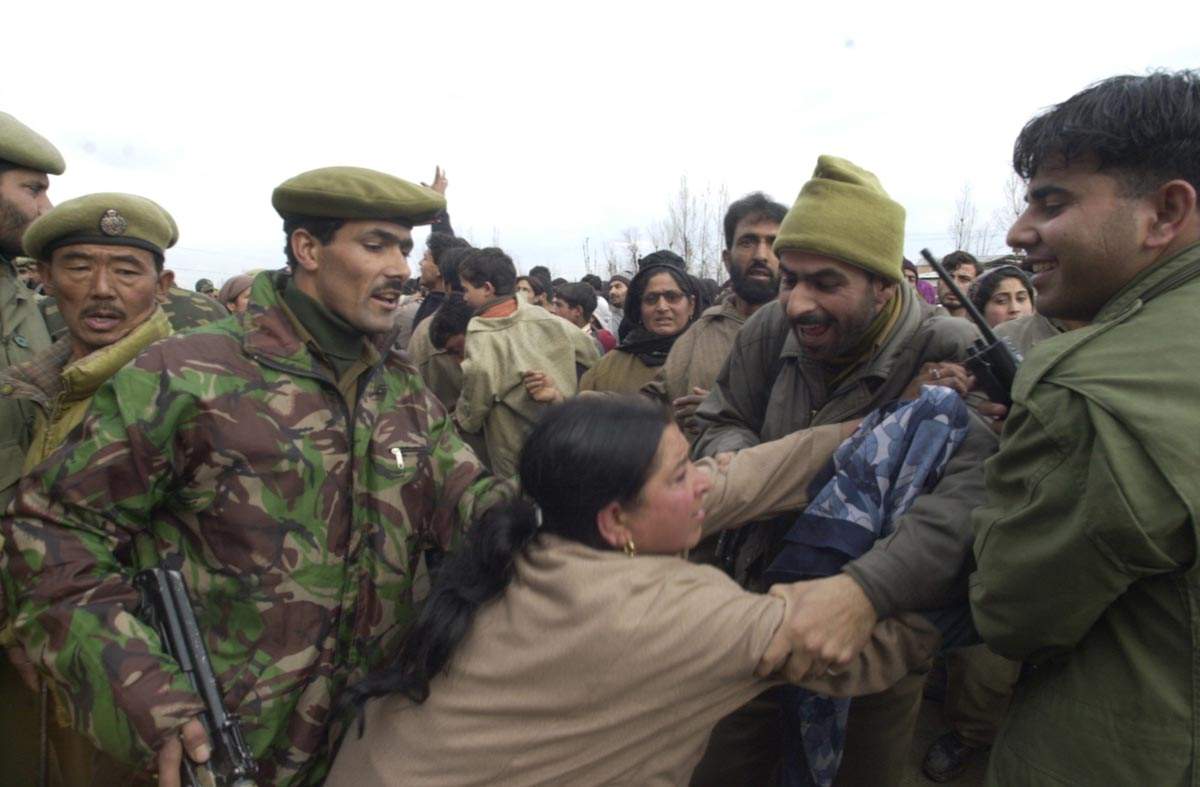
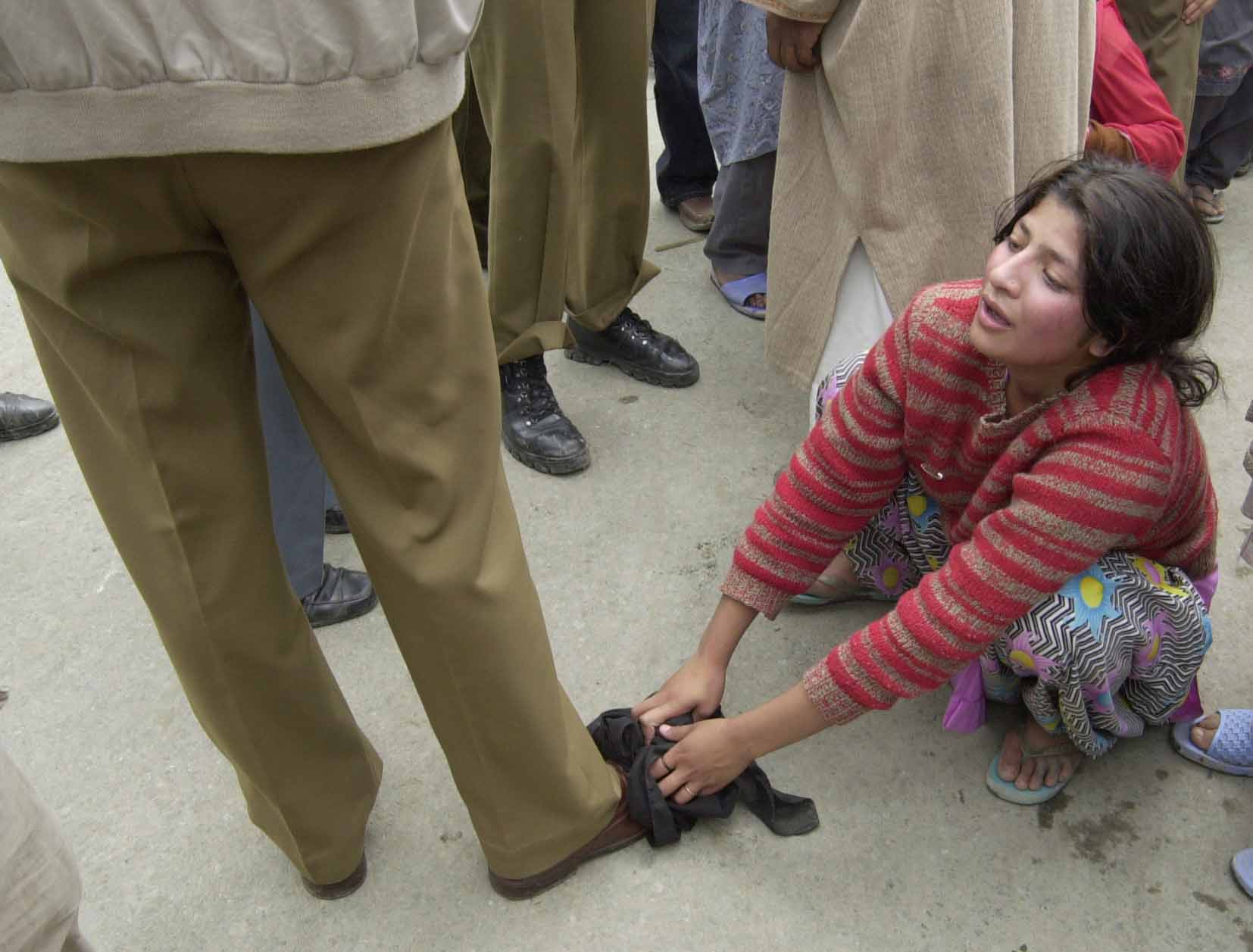
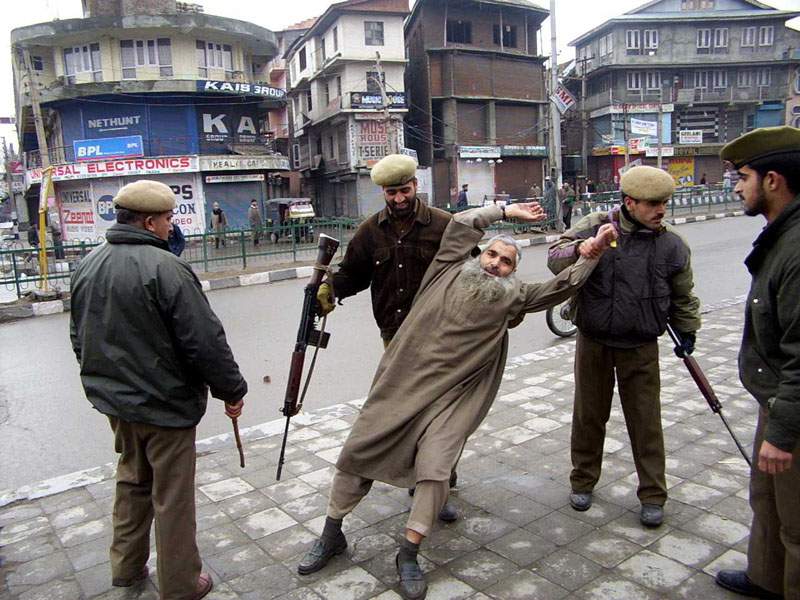
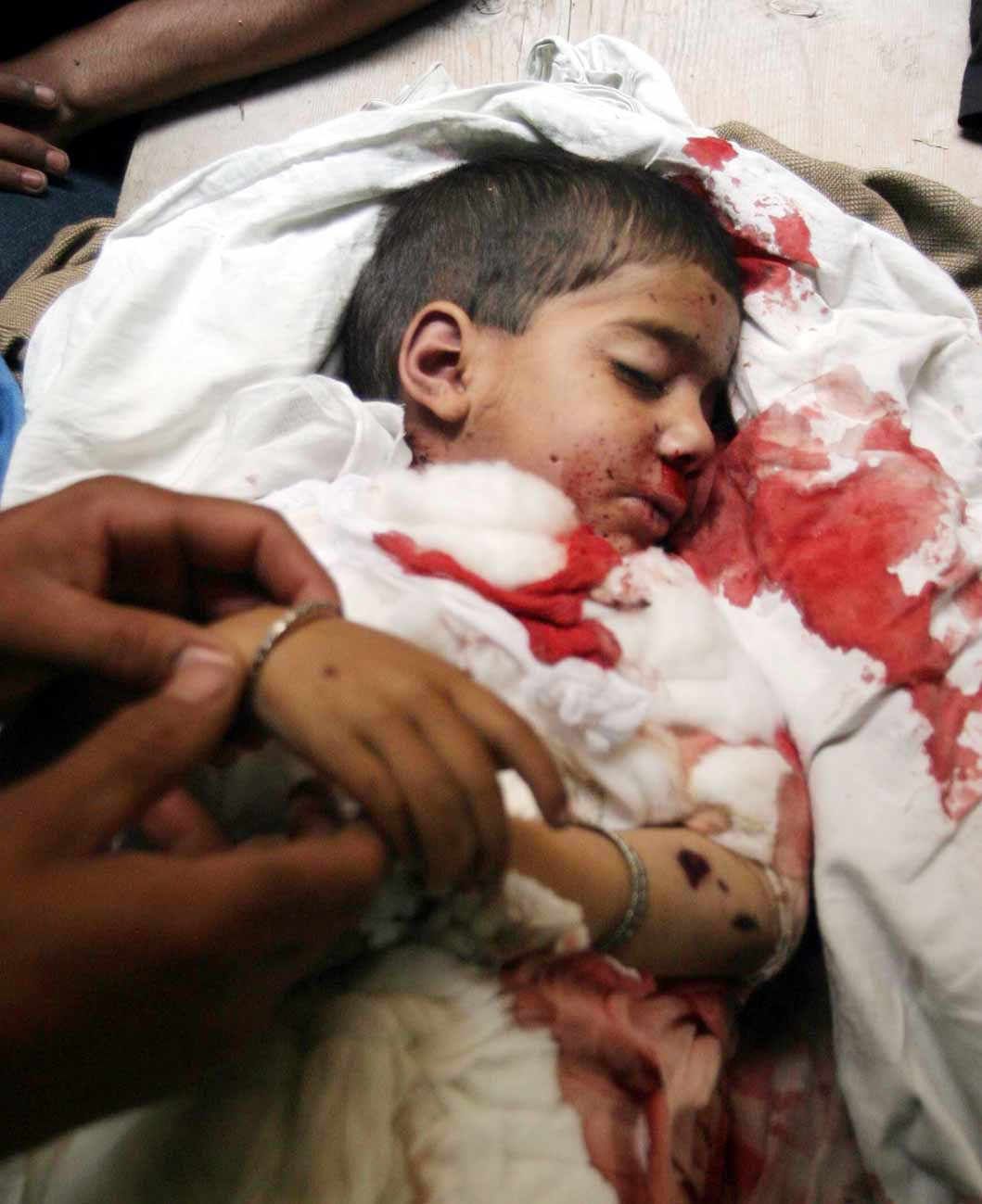
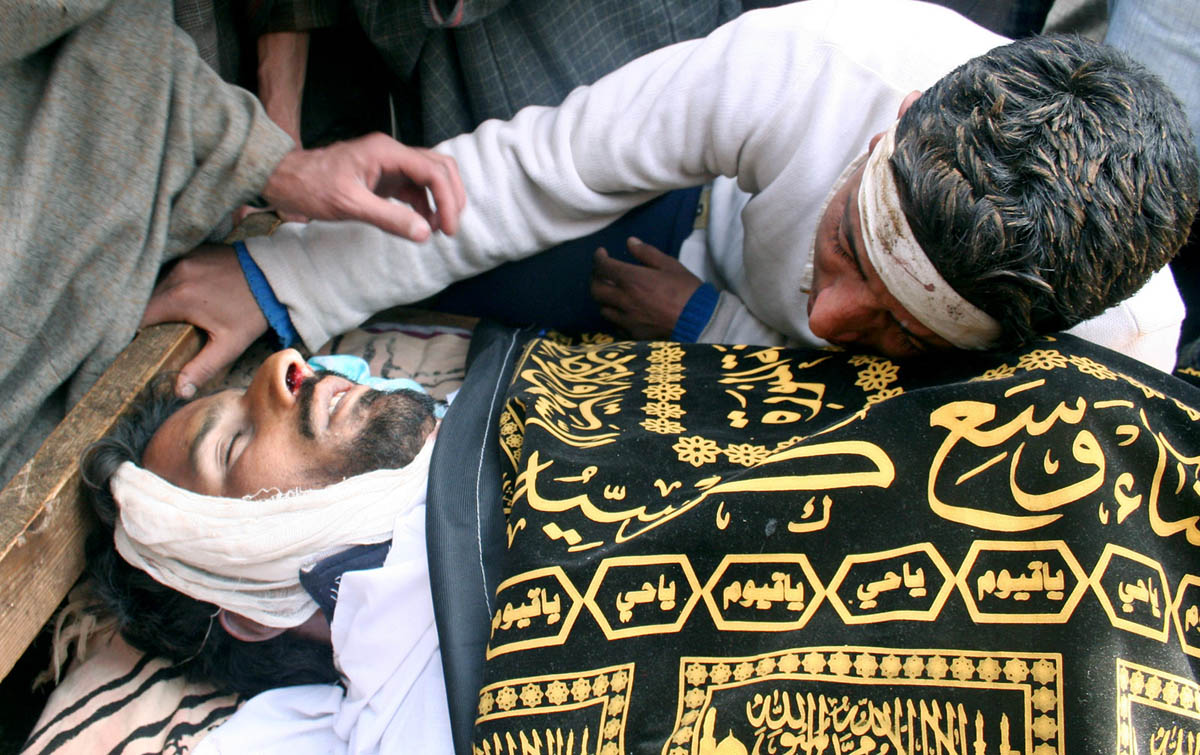
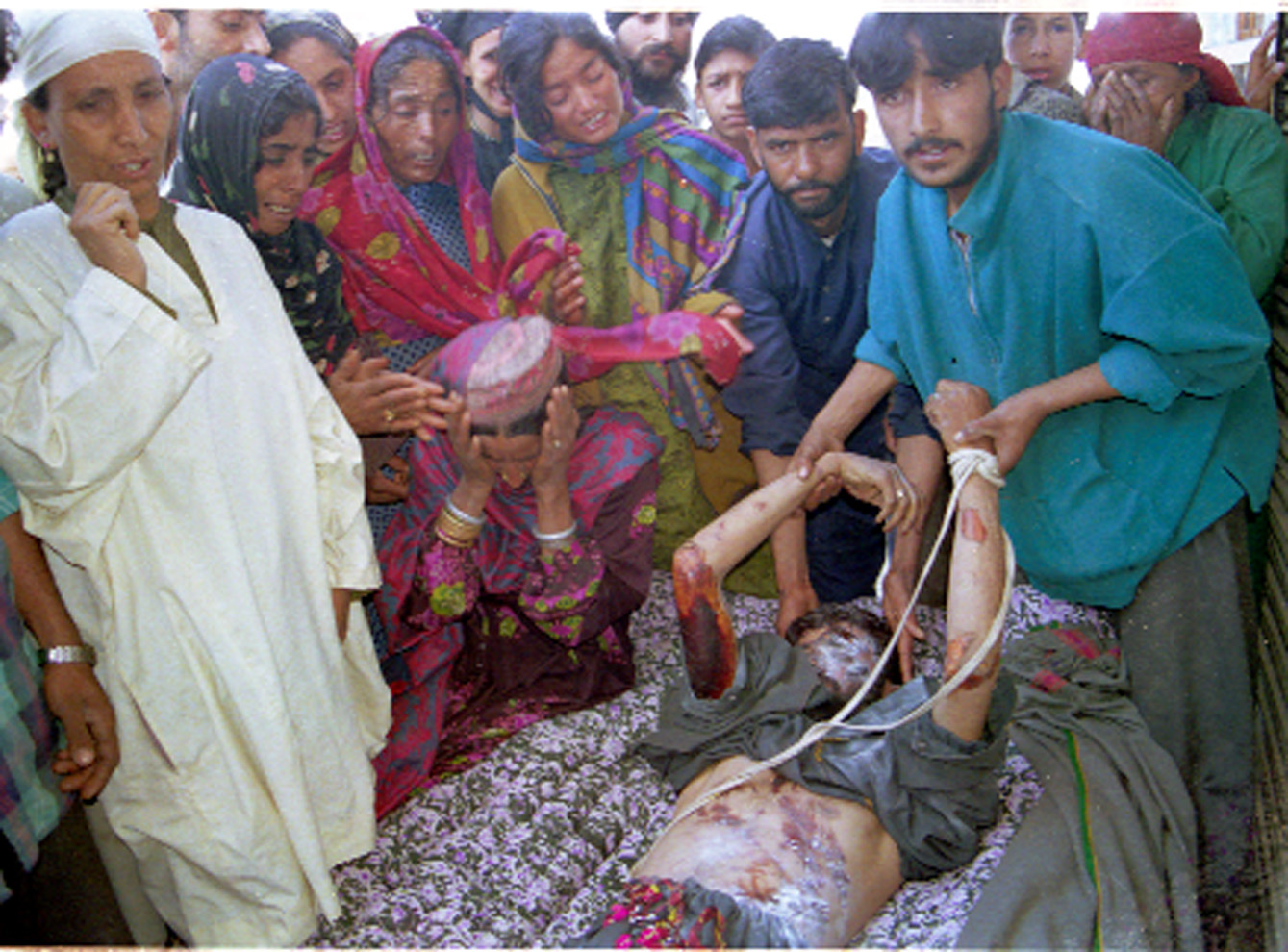
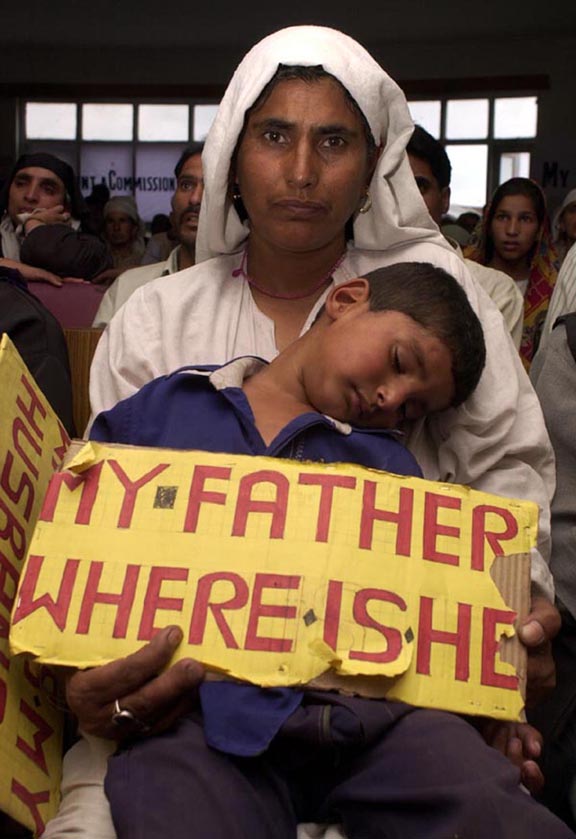
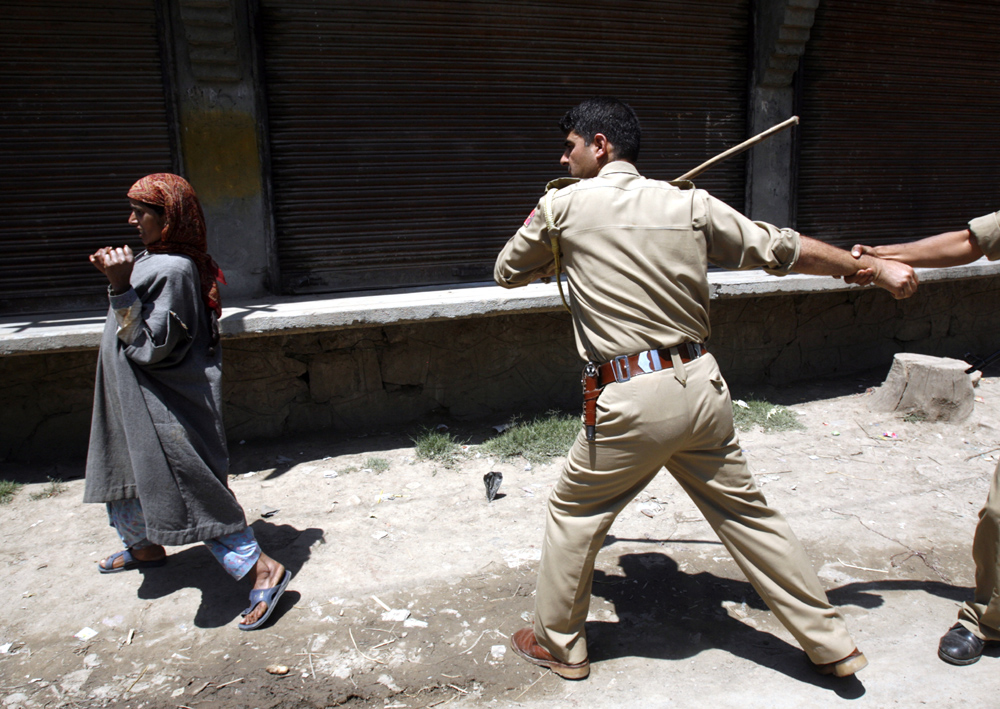
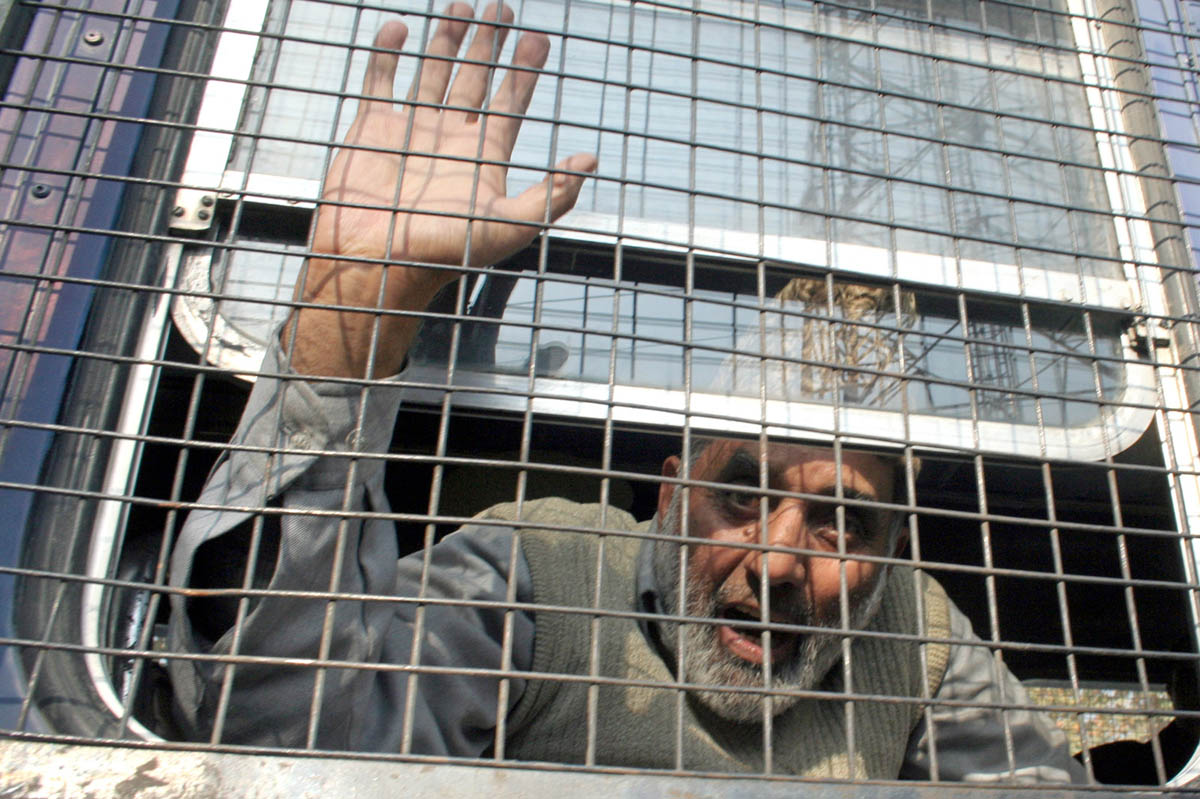
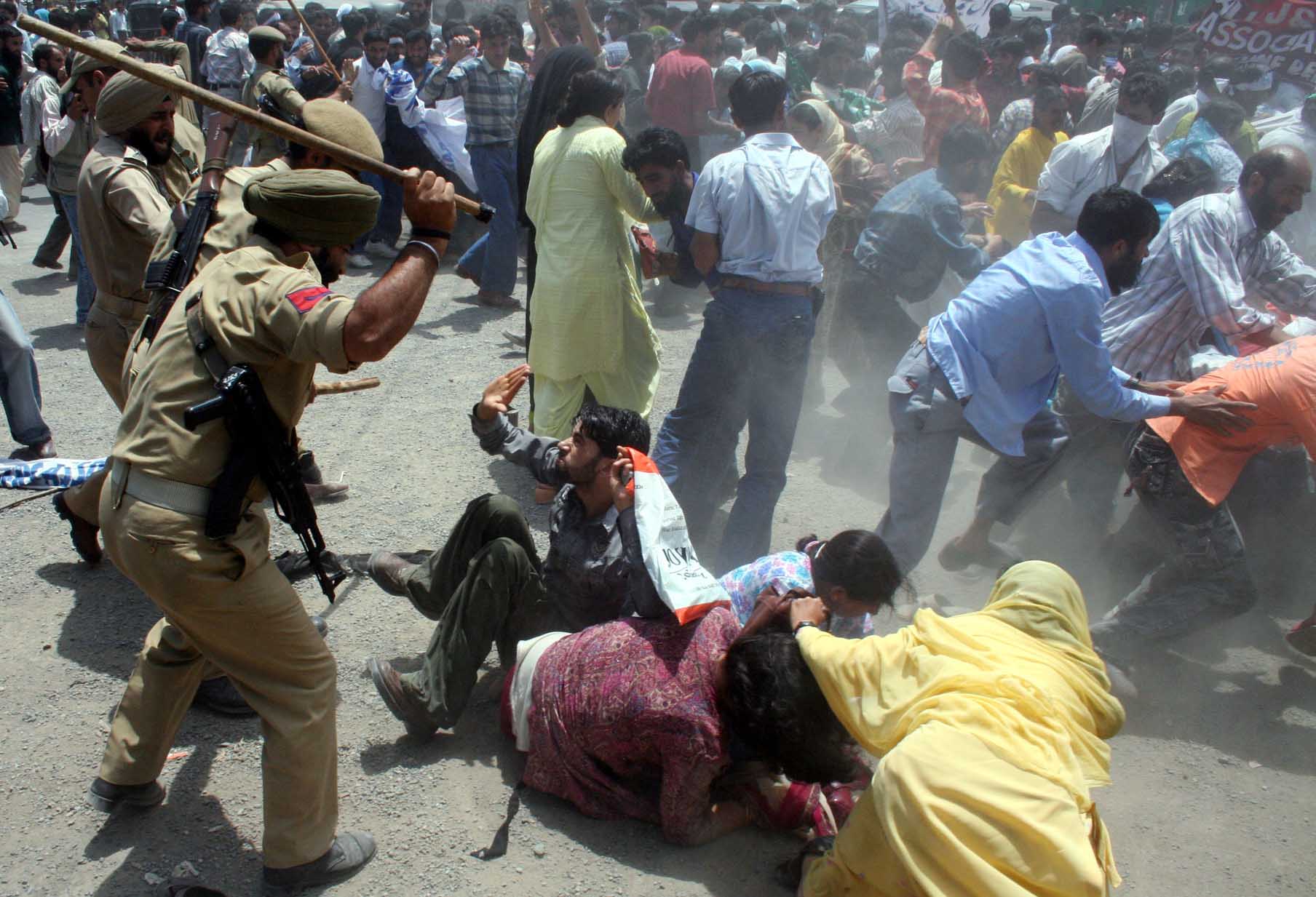
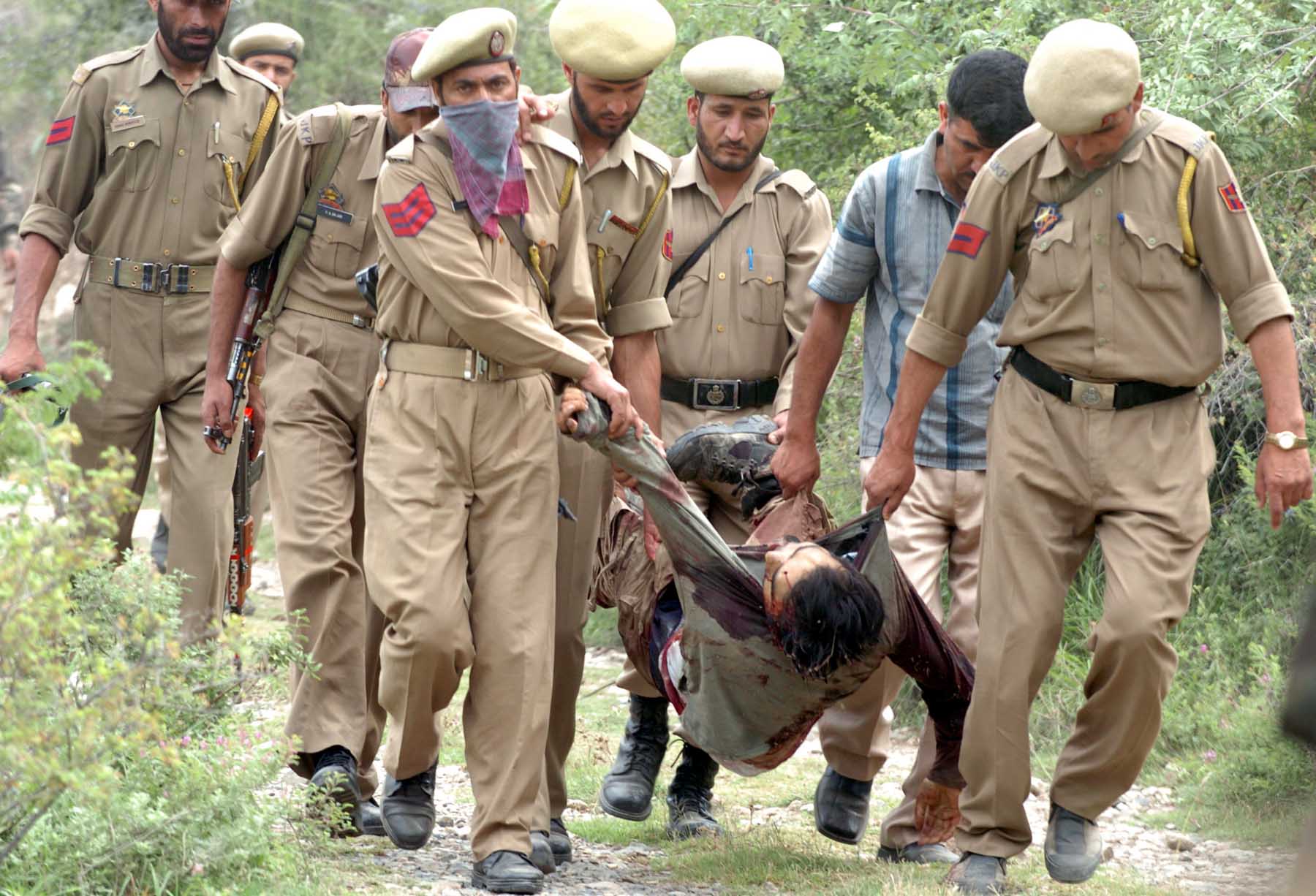
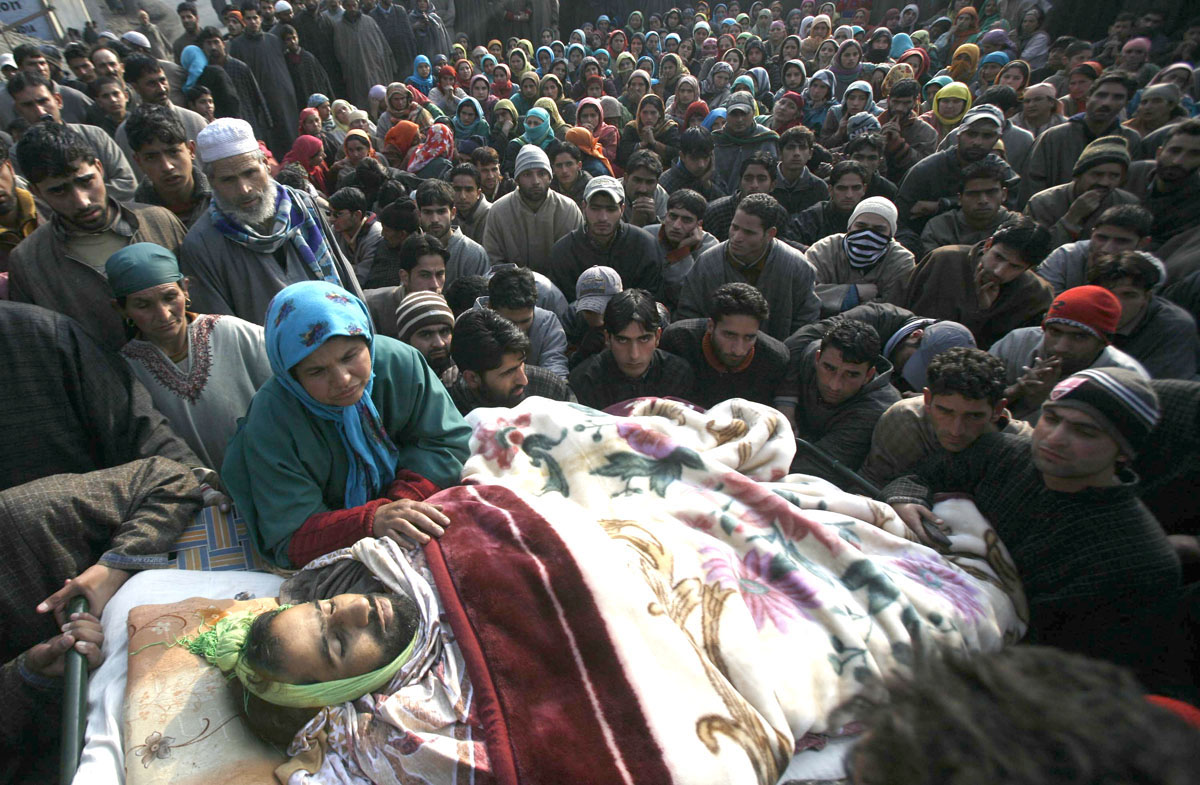
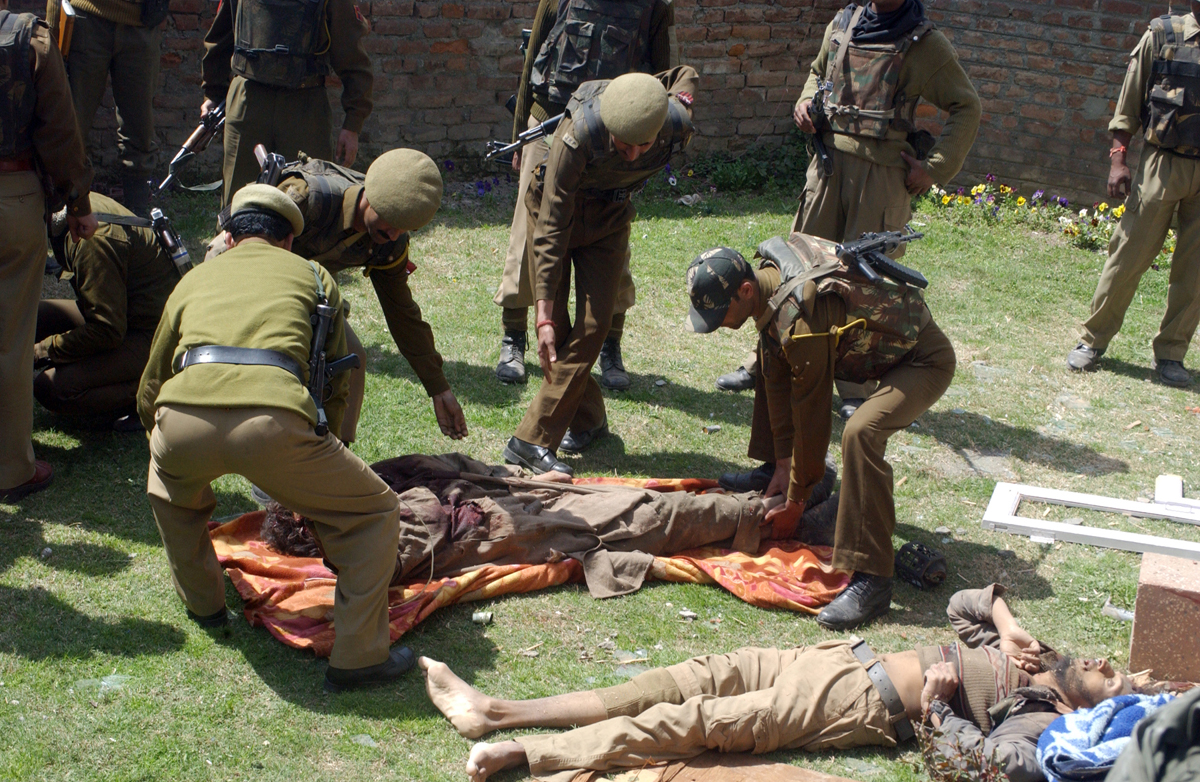
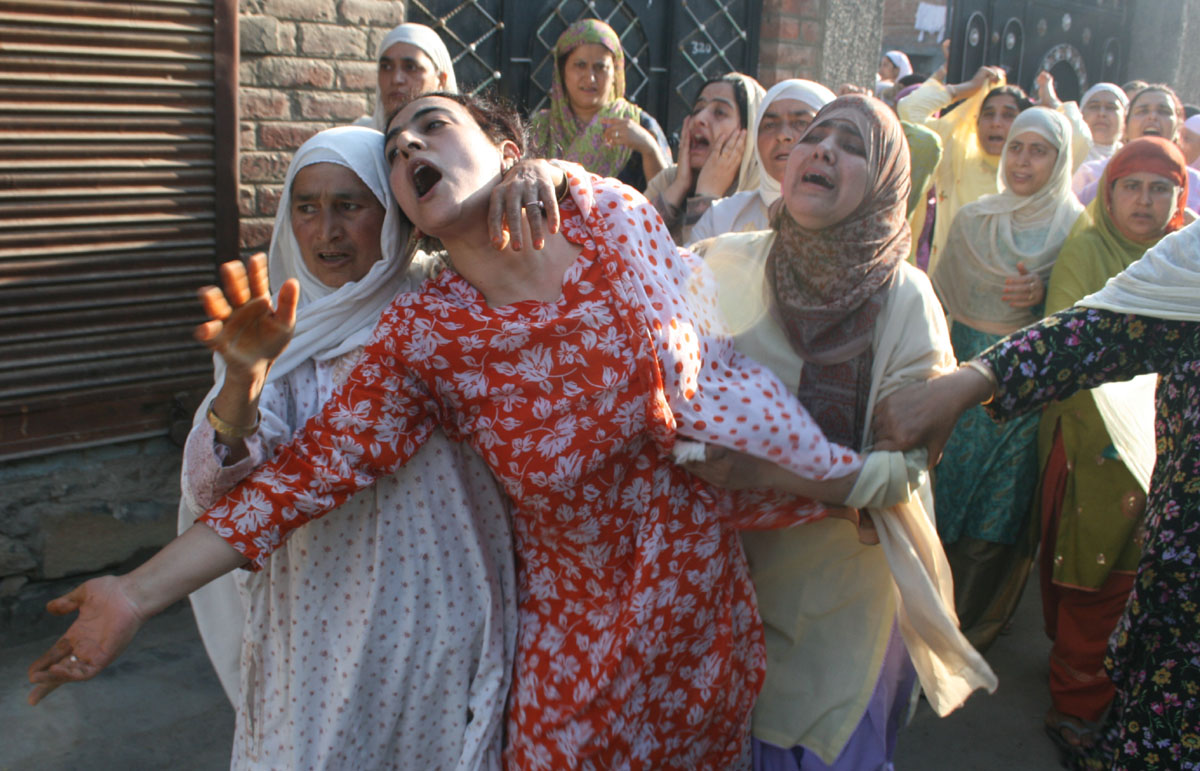
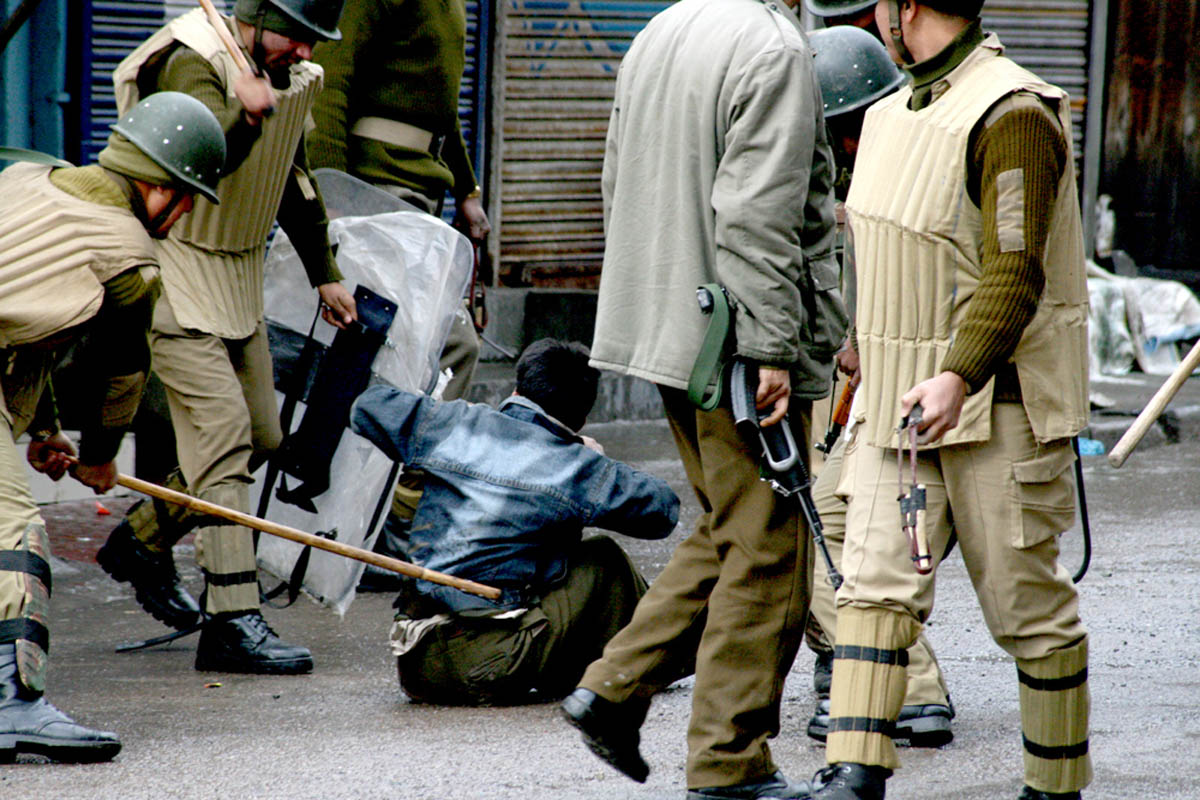
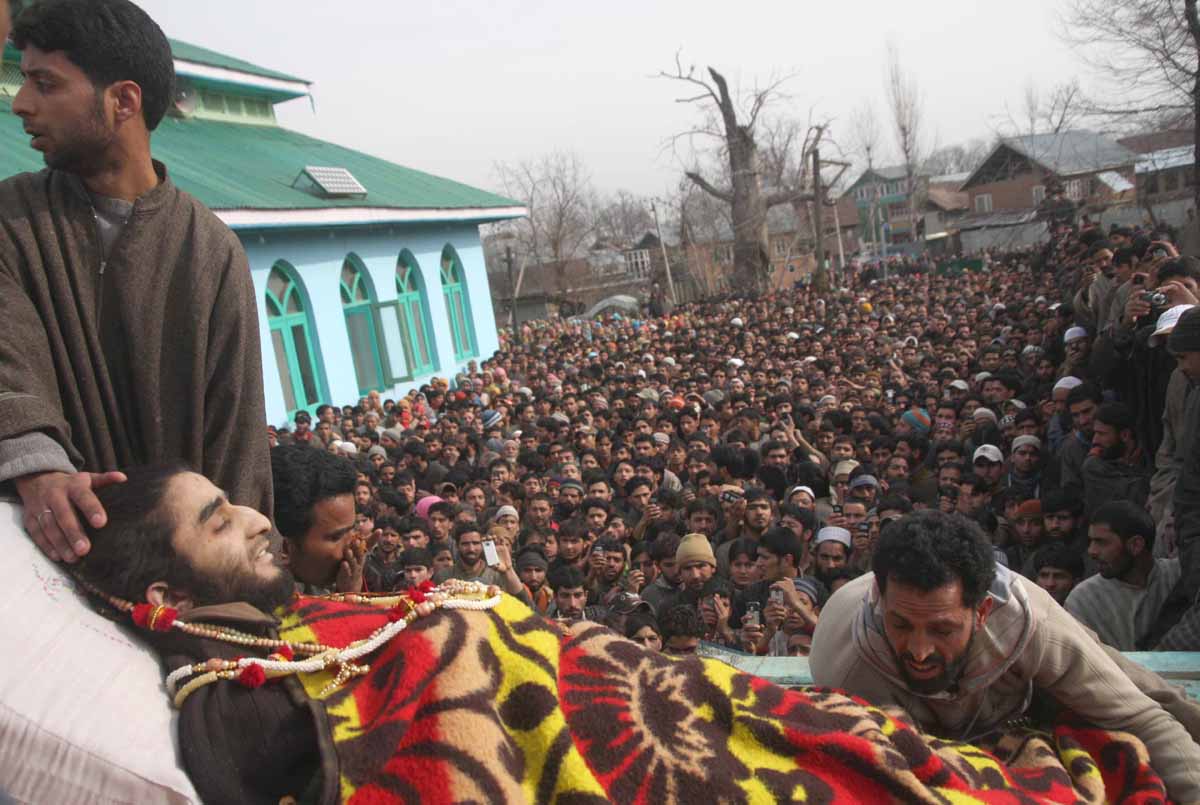
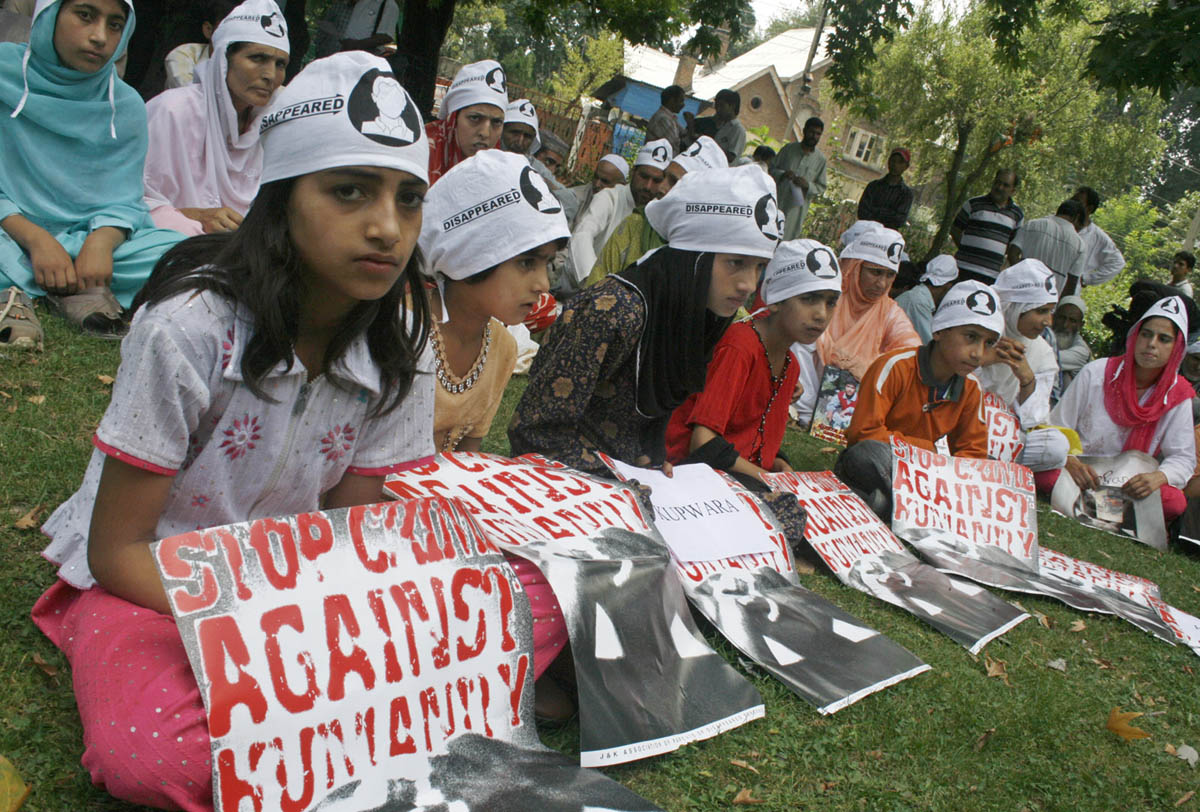
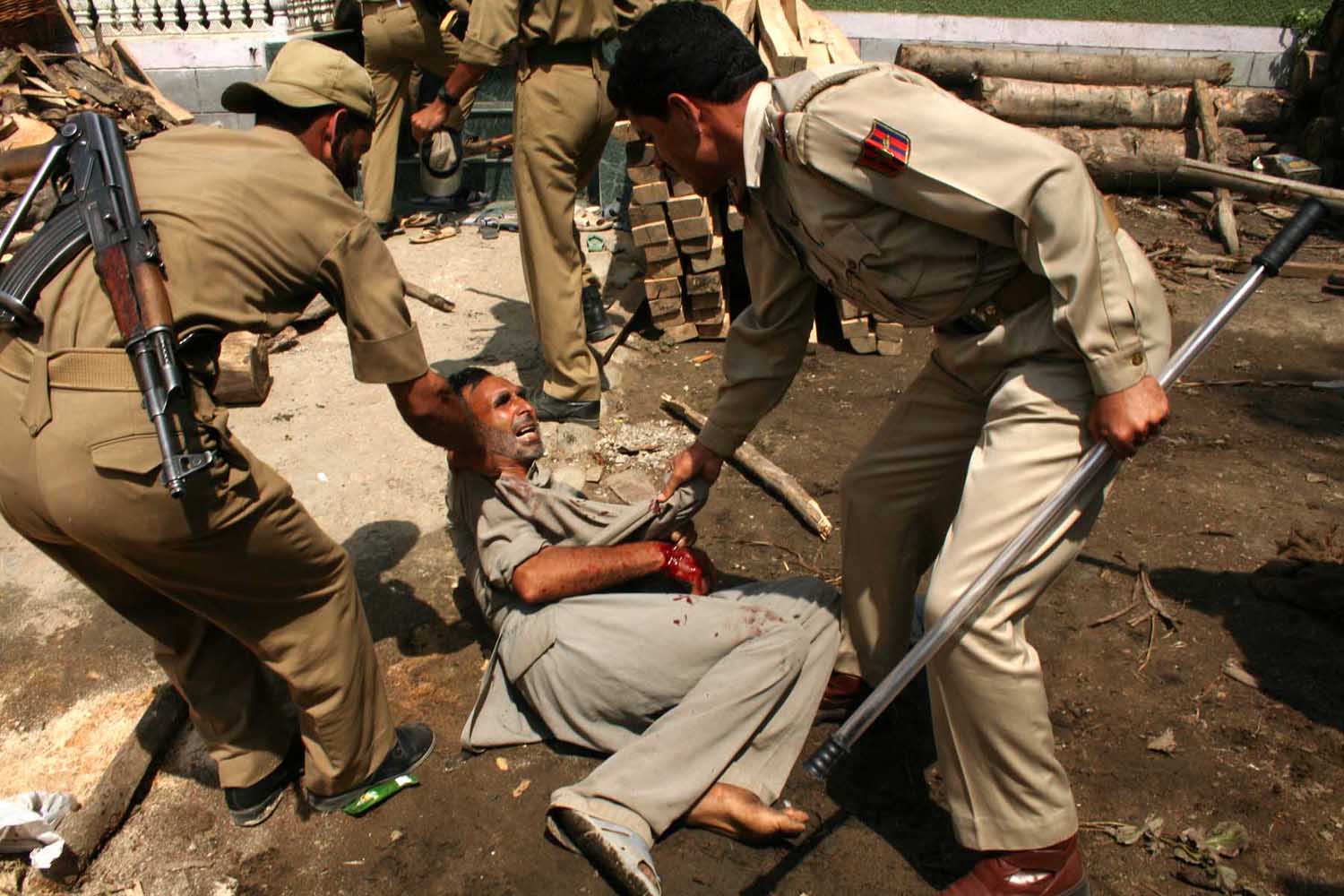
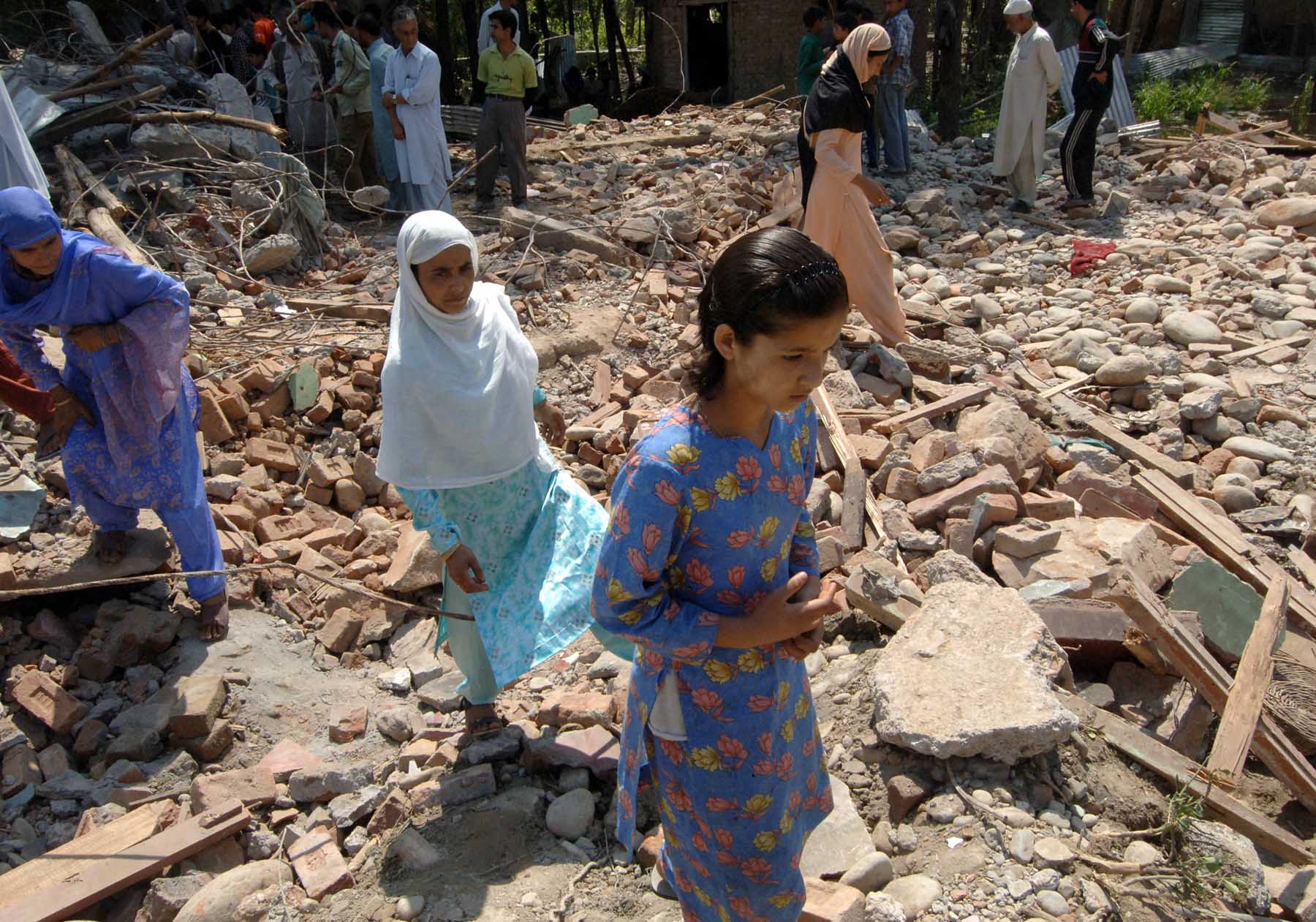
Some pictures of  Kashmiris under Indian occupation

Narendra Modi, the Anti-Muslim Politician of India

March 30, 2009

Share | Email | Print | A A A

By Abhay Singh | Bloomberg.com

March 30 (Bloomberg) — As Narendra Modi, chief minister of the state of Gujarat, walks into a cavernous tent filled with 20,000 investors and business leaders in western India, he’s greeted like a Bollywood movie star. Conference goers surround the politician to shake hands, snap photos and touch his shoes — a show of reverence in India.

After the January conference gets under way in the city of Ahmedabad, billionaire Anil Ambani, whose empire ranges from telecommunications to financial services, steps to the lectern. He praises Modi, 58, for turning Gujarat into India’s top destination for investors before paying the Hindu nationalist the ultimate compliment: He should be prime minister.

Since Modi became head of Gujarat in 2001, he’s lured investors with a rapid approval process for developments, a network of roads and ports and uninterrupted power supply — a rarity in India.

“If Narendra Modi can do so much for Gujarat, imagine the possibility for India by having him as the next leader of India,” Ambani says.

Some 40 kilometers (25 miles) from the conference, in a Muslim ghetto called Juhapura on the outskirts of Ahmedabad, Modi’s name isn’t celebrated. He’s a top official in the Hindu nationalist Bharatiya Janata Party (BJP), or Indian People’s Party, which opposes special treatment from the government of any one religious group, including Muslims.

Contaminated Food

For the 700,000 residents of Juhapura, the water runs only 15 minutes a day, potholed asphalt roads are lined with rubble and government-subsidized shops sell contaminated flour and rice that make people sick, says Mohammad Ishaq Sayed, a tailor who lives with his family of six in a one-room, 100- square-foot (9.3-square-meter) apartment.

“We live in Gujarat and still we get nothing,” says Sayed, 53, sitting in a plastic chair outside his apartment, where naked electrical wires snake along the walls. “Why is there no development for us? What enmity do they have with us? We are Muslims, that’s why.”

As India continues to tally the economic costs from the terror attacks by Islamic militants that killed 164 people in Mumbai in November, Modi stands out as a symbol of a nation that, 62 years after independence, has yet to come to grips with a sectarian divide that’s fueled decades of violent riots and the marginalization of Muslims.

Shut Out

The 158.6 million Muslims, which account for 13.4 percent of India’s population of about 1.2 billion, are among the poorest people in the country. They are shut out of jobs and unable to get equal access to education, according to a 2006 government-sponsored report. At state-run companies such as banks and railways, Muslims make up only 4.9 percent of the workforce.

Thirty-eight percent of them live in such deprivation that they consume less than 2,100 calories of food a day, the report says. By comparison, 20 percent of Hindus living in cities don’t receive proper nutrition.

Alakh Sharma, director of the Institute for Human Development, a New Delhi-based group that studies labor markets, development policy and education, says India’s exclusion of Muslims from the mainstream hampers its economic growth.

“If 13 percent of the population is alienated and doesn’t become part of the economic process, how will the country continue to grow?” Sharma says. “It’ll affect demand for goods and become a source of conflict and strife.”

‘Scary Prospect’

In more than two decades in the BJP, during which time he’s ascended to the position of general secretary, the third- highest rank, Modi has been in the middle of the sectarian conflict whose origins go back centuries.

Modi helped organize a campaign in 1990 for the BJP leader to drum up support for building a Hindu temple at the site of a Muslim mosque in the state of Uttar Pradesh, according to his Web site, narendramodi.in. In Gujarat alone, the BJP campaign spurred 1,520 violent incidents between Hindus and Muslims from April 1990 through April ‘91, according to a report by the New Delhi-based Institute of Peace and Conflict Studies.

“Modi’s rise is a very scary prospect for India,” says Shabnam Hashmi, an atheist who runs Act Now for Harmony and Democracy, a group started to counter sectarian politics in India. “He polarizes people by promoting the ideology of hate.” Jagdish Thakkar, Modi’s public relations officer, didn’t respond to several requests for an interview.

Rampaging Mobs

In February 2002, four months after Modi took control of Gujarat, Hindu mobs went on a rampage against Muslims after a fire on a train claimed 58 lives, among them Hindu pilgrims. In the riots that followed, more than 1,000 people were killed, mostly Muslims, while Modi allegedly instructed police to stand down and allow the violence to continue, according to an investigation by the eight-member Concerned Citizens Tribunal. The group, with no legal standing, was made up of former judges, professors and a retired police officer.

“If you are a minority you are pushed to the brink and treated like dirt in this state,” says Cedric Prakash, a Jesuit priest who runs a human rights center in Ahmedabad.

Modi has denied the allegations from the citizens group and critics.

“My future will be determined by the people of Gujarat,” Modi said at a conference sponsored by the Hindustan Times newspaper in October 2007. “In a democracy, criticism is welcome, but I am against the allegations.” The Supreme Court of India is still investigating the riots.

Holy War

The killings in Gujarat partly inspired Lashkar-e-Taiba, an Islamic militant group based in Pakistan, to launch its holy war against India, according to a study on the Web site of the Asia-Pacific Center for Security Studies, a U.S. Department of Defense institute in Honolulu.

In November, 10 members of Lashkar-e-Taiba attacked two luxury hotels, a Jewish center, a cafe and railway station in Mumbai, according to Indian officials. In a massacre that shook India, the terrorists killed 164 people, including 26 foreigners. Earlier in 2008, the Muslim group Indian Mujahideen claimed responsibility for a series of bombings in three Indian cities.

The spate of violence weighs heavily on Indians as they elect a new prime minister starting in mid-April. The BJP is attacking the ruling Indian National Congress party for being soft on terrorism. The government of Prime Minister Manmohan Singh, 76, has delayed the hanging of a convicted Muslim terrorist sentenced to death in 2002 — a fact that the BJP’s candidate, Lal Krishna Advani, 81, rails against on the campaign trail.

Slowing Economy

The BJP is trying to return to power after a six-year term from 1998 to 2004, during which time it stiffened prison penalties for terrorists and lengthened the maximum detention period for suspects who hadn’t been charged to 180 days.

“People lived under six years of a BJP government, but the end of terrorism was not one of its achievements,” says Mahesh Rangarajan, a professor of modern Indian history at Delhi University. “The terrorism card that the BJP could cash in on is gone.”

India’s economic downturn may be an even bigger election issue in a country where voters have regularly rejected incumbents, Rangarajan says. The economy grew 5.3 percent from October through December, the weakest pace since the last quarter of 2003. The recessions in the U.S. and Europe, combined with the terrorist strikes in 2008, are taking a toll on India’s tourist industry.

Partition

The number of visitors to the country plunged 12 percent in February compared with a year earlier. A February poll by an Indian affiliate of CNN showed that neither party would gain 50 percent of the vote, forcing the winner to cobble together a coalition government.

The divide between Hindus, who make up 80.5 percent of the population, and Muslims runs deep. In the 16th century, the Mughals, an Islamic dynasty, took over and ruled the land until the British made the subcontinent a part of its empire three centuries later. Before Britain relinquished control of India in 1947, it partitioned the nation into Muslim Pakistan and Hindu-majority India to buffer historical conflicts.

Eleven million Hindus, Muslims and Sikhs were uprooted, seeking refuge in one of the two countries and clashing along the way. The violence took 500,000 lives. Since the 1960s, there have been at least four major sectarian battles each decade in India, spurred by everything from a Muslim’s cow entering a Hindu’s house to conflicts over religious sites.

‘This is Not Our Country’

Muslims, fearing violence, tend to live together in small clusters in places like the Byculla area in Mumbai and the neighborhood of Nizamuddin in New Delhi, according to the 2006 report sponsored by the Singh government, “Social, Economic and Educational Status of the Muslim Community in India.” In Ahmedabad, Gujarat’s largest city, where investors have backed new malls with big grocery and electronics stores and movie multiplexes, some apartment complexes are off-limits to Muslims, according to the rules of occupancy set by building owners.

Activist Hashmi says her family, because of its Muslim name, has felt unwelcome in parts of New Delhi. In 2003, her daughter, then 7 years old, came home from school after being verbally attacked.

“Another girl told her that we should go live in Afghanistan, this is not our country,” Hashmi says.

Finding Jobs

Muslims also face obstacles in finding employment at state-run companies, which provide 70 percent of the full-time jobs with benefits in India, the report says. At Indian Railways, one of the country’s largest employers, with 1.4 million workers, Muslims make up only 4.5 percent of the total. Among civil service officers — bureaucrats, diplomats and police — 3.2 percent are Muslim. At banks such as State Bank of India, the No. 1 lender, the figure drops to just 2.2 percent. Of the 30 companies in the Bombay Stock Exchange’s benchmark Sensitive Index, only one — software services provider Wipro Ltd. — is led by a Muslim, billionaire Azim Premji.

The report recommends that employers include Muslims in hiring to increase their numbers.

“A very small proportion of government employees are Muslims, and on average, they are concentrated in lower-level positions,” the report says. “While no discrimination is being alleged, it may be desirable to have minority persons on relevant interview panels.”

Drop Outs

Dev Desai, an economics undergraduate student at GLS College in Ahmedabad, encountered discrimination recently when trying to get a Muslim friend and fellow student a job.

“I spoke to some people and told them she was from my college and studies with me,” says Desai, a Hindu. “On hearing her name, they asked if she is Muslim. When I said yes, they told me to let it be.”

The minority group lags behind in education as well, partly because of a shortage of schools that teach in Urdu, a language used by Muslims. As many as 25 percent of Muslim children ages 6-14 never attend school or drop out. Muslim kids in the Juhapura ghetto face another issue: Their school is in a Hindu area.

“Some children are afraid and don’t go,” says Niaz Bibi, a resident and mother. “Their thinking is, we’ll never get a job so why study? Might as well learn a vocation like fixing cars.”

Bollywood

In top colleges offering science, arts, commerce and medical courses, only 1 in 25 undergraduate students is Muslim.

“This has serious long-term implications for the economic empowerment of the community and consequently for economic development of the country,” the report says.

India has put aside its sectarian differences in a few areas, such as its movie industry. Muslim film celebrities Shah Rukh Khan, a romantic leading man also known as “King Khan,” and Aamir Khan often top the box office. Aamir Khan starred in Bollywood’s biggest hit of 2008, Ghajini. While Indians have never elected a Muslim prime minister, lawmakers have selected three Muslim presidents, the titular head of government, including A.P.J. Abdul Kalam from ‘02 to ‘07.

Modi mocked the government report, which was chaired by retired judge Rajindar Sachar, at a conference sponsored by India Today magazine in March 2008.

Spiraling Investments

“Mr. Sachar came to see me and asked, ‘Mr. Modi, what has your government done for Muslims?’ I said, ‘I’ve done nothing,’” Modi said. “Then I said, ‘Please also note that I’ve done nothing for Hindus either. I work for the people of Gujarat.’”

As head of the state, Modi has spurred a construction boom by attracting a slew of investors, including Sabeer Bhatia, co-founder of e-mail service Hotmail. Investors pledged $243 billion to Gujarat at the 2009 Vibrant Gujarat Global Investors’ Summit in January, a 60 percent jump from the previous event in 2007. In a country infamous for bureaucratic red tape, Gujarat lures investors with a streamlined process requiring developers to get approval for major projects at only one agency, the Gujarat Infrastructure Development Board.

Tata Group, the $62.5 billion conglomerate that owns everything from salt to software companies, got permission from the state to build a plant to produce the $2,500 Nano, the cheapest car in the world, in three days.

Hindu Nationalist

“Most of us in India have come to regard a time frame of six months or three months as an average time to get clearances,” Ratan Tata, chairman of Tata Group, said from the stage at the January conference in Ahmedabad. “In this particular case, that tradition was shattered, and we had our land and most of our approvals in three days. That, in my experience, has never happened before.”

After Tata’s speech, Modi walked toward the lectern and gave the executive a hug before addressing the crowd himself.

“Even in a recession, companies aren’t going to stop manufacturing,” he said. “They will prefer a destination where low-cost manufacturing is possible. This is a chance for a country like India, if we can provide a low-cost manufacturing environment, to grab this opportunity.”

Modi joined the burgeoning Hindu nationalist movement as a teenager after growing up in a family of modest means; his father ran a tea stall at Vadnagar railway station in Gujarat, according to a 2007 article in the Times of India.

Ideological Fraternity

After completing his master’s degree in political science at Gujarat University in the 1970s, he became a member of the Rashtriya Swayamsevak Sangh, or National Volunteers Corps, his Web site says. The RSS advocates that Hinduism is central to Indian culture and life.

At the time, northern India was recovering from a famine and sectarian violence was rising: 500 people were killed in Ahmedabad in 1969. Members of the still active RSS take part in regular military-style parades, drills and exercises dressed in white shirts and khaki shorts. The RSS, which hatched political groups that would coalesce into the BJP in 1980, remains the fount of the party’s ideas.

“The RSS ideology is all about cultural nationalism,” says Prakash Javadekar, spokesman for the BJP and a member of India’s upper house of parliament. “We are an ideological fraternity.”

Babri Mosque

The BJP built itself into a national power starting in the late 1980s with a campaign to construct a temple where a mosque stood in Ayodhya, Uttar Pradesh. Modi, who joined the BJP in 1987, helped organize a 10,000-kilometer journey for Advani, now the BJP’s candidate for prime minister, to rally support for the temple and the party. Advani’s trip in a truck, with the bed trussed up to resemble a chariot from Hindu mythology, was scheduled to end at the site of the mosque.

Hindus believe the site was the birthplace of the Hindu god Ram and that a temple once stood there until Muslim invaders destroyed it in the 16th century and built the Babri Mosque.

Advani’s journey was cut short when authorities arrested him in the state of Bihar in October 1990. According to Advani’s Web site, he was arrested by political foes who opposed a resurgence of nationalism in India. Two years later, Hindu mobs tore down the mosque, fomenting riots in Mumbai that claimed more than 1,000 lives, mostly Muslims.

Train Fire

The temple campaign catalyzed Hindu support across India for the BJP, which won its first national election in 1996 and its second in ‘98.

“Communal violence in the last two decades is a result of the manipulation of religious sentiments by Hindu right- wing organizations for political gains,” according to the Institute of Peace & Conflict Studies report. “The politicization of the temple-mosque issue and the subsequent demolition of the mosque gave the BJP the opportunity to consolidate its vote bank.”

Javadekar rejects that claim, saying the Congress Party’s sectarian politics and favoritism toward minorities poses the biggest danger to India. Javadekar says the BJP supports the equal treatment of all religious groups in India.

“That means you do justice to all and appeasement of none,” he says.

The 2002 riots in Gujarat began with a fire in a train coach carrying Hindu pilgrims returning from Ayodhya. A commission set up by the Gujarat government said that Muslims set the fire after an altercation at the station between some pilgrims and Muslim vendors.

Lost Everything

The report of the citizens tribunal, which was released in October ‘02 and based on about 2,000 interviews, shows the fire started within the coach and was not deliberate, says Ghanshyam Shah, a social scientist who was a member of the tribunal.

As news of the fire spread through the state, Hindu mobs surrounded Muslim neighborhoods, destroyed houses with homemade bombs, raped and killed women and butchered men, according to the three-volume report of the citizens tribunal.

“We escaped with just the clothes on our backs,” says Sayed, the tailor in Juhapura. “Everything was destroyed. Our house was torn down, and all our possessions were stolen.”

Sayed, his wife and three sons were rescued by a Muslim police officer and taken to a camp outside Juhapura.

“The Muslim officer risked himself and brought us to the camp,” Sayed says.

Police Don’t Arrive

The police didn’t respond to calls for help from many Muslims, according to the report. It details the murder of Ahsan Jafri, a former member of parliament from the Congress Party.

The attack on the neighborhood where Jafri lived in Ahmedabad began on the morning of Feb. 28, 2002. A high- ranking police official visited Jafri at 10:30 a.m. and assured him that police reinforcements were on the way to quell the riots. The police never came even after Jafri’s desperate phone calls to Modi’s office and the police. Jafri was dragged out of his home and killed in the afternoon, as were others who had taken shelter in his house, the report says.

Three years later, in 2005, the U.S. State Department denied Modi a diplomatic visa and revoked his existing one under a section of the Immigration and Nationality Act that bars entry of foreign officials who are complicit in severe violations of religious freedom.

‘Absence of Healing’

“The violence in Gujarat in 2002 was extremely serious; it went on for months,” says Delhi University’s Rangarajan. “If you travel in the hinterland of Gujarat, what is more serious is the absence of a healing process.”

In 2008, six years after the riots, the Supreme Court of India formed a special team to investigate the violence. In February, the team arrested Deputy Superintendent of Police K.G. Erda, the officer in charge of the area where Jafri lived, for dereliction of duty and abetment of murder, according to Mitesh Amin, Erda’s lawyer. Erda has been released on bail, and the Supreme Court has halted the trial, Amin says.

In March, investigators submitted their confidential report to the court, which asked the Gujarat government to file a response by April 13.

The 2002 riots shouldn’t taint Modi’s reputation as a good administrator, says Ajit Gulabchand, managing director of Mumbai-based Hindustan Construction Co. The company is building an $8 billion waterfront development in Dholera, an industrial and business hub.

Carnegie Mellon University

“What happened was terrible,” Gulabchand says. “The question is, Are we moving on? Here is somebody who welcomes people and creates an atmosphere for business and other investments to thrive.”

Yogesh Patel and his business partner, Hotmail’s Bhatia, are also bullish on Gujarat. They’re building university campuses in Dholera and have partnered with Carnegie Mellon University to open a graduate school there.

During a meeting last year, after Patel told Modi about the potential for generating solar energy in northern Gujarat, the chief minister immediately called in a bureaucrat and asked him to get working on a plan.

“It’s like dealing with a private enterprise and talking to a CEO,” Patel says.

‘Modi Has to Evolve’

While political analysts say Modi is a possible future candidate for prime minister, he would face hostility from Muslims. “God will bring Modi down one day,” Sayed says.

In states with large Muslim populations, where they comprise more than 15 percent, Modi would have to soften his anti-Muslim image.

“Modi’s problem is very real,” Rangarajan says. “Modi has to evolve.”

In Ahmedabad’s Juhapura ghetto, Hindus built a 10-foot- high wall with barbed wire at the top to separate themselves from Muslims. The wall is a reminder of the issues confronting Modi and his party as they vie to rule India again.

To contact the reporter on this story: Abhay Singh in New Delhi at abhaysingh@bloomberg.net.

Last Updated: March 29, 2009 17:00 EDT

Nehru descendant guilty of Muslim hate crime

March 24, 2009

By Andrew Buncombe in Delhi | The Independent, UK, March 24, 2009

Varun Gandhi: Accused of threatening to 'cut throats' of Muslims

RAVEENDRAN/AFP/GETTY

Varun Gandhi: Accused of threatening to ‘cut throats’ of Muslims

India’s main opposition party has said it will stand by a great-grandson of the country’s first prime minister in forthcoming elections, even after an independent body found him guilty of hate crime and urged that he not be fielded as a candidate.

In a move that will be seized on by its rivals, the Hindu nationalist Bharatiya Janata Party (BJP) said it will continue to support Varun Gandhi as its candidate for a constituency in the north Indian state of Uttar Pradesh.

The 29-year scion of the Nehru dynasty was condemned by India’s election commission following a speech two weeks ago in which he threatened to “cut the throats” of Muslims.

As the speech was repeatedly replayed on television, Mr Gandhi claimed the tapes had been altered, and he was the victim of a conspiracy. But he pointedly refused to apologise.

The election commission said there was no evidence the recording had been doctored. It found his speech – in which Mr Gandhi compared a political rival to Osama bin Laden – had also incited violence against Muslims. It said that if the BJP stood by Mr Gandhi, it would be “perceived as endorsing his unpardonable acts of inciting violence and creating feelings of enmity and hatred between different classes of citizens of India”.

In a bid for power following its surprise defeat in 2004, the right-wing BJP sought to reposition itself, and reach out to centrist voters. However, yesterday party officials said they would continue to support Mr Gandhi’s nomination despite the commission’s ruling.

“The commission has no authority to give such direction to a political party,” said Balbir Punj, a BJP leader.

Dr Valerian Rodrigues, a political scientist at Jawaharlal Nehru University, said that despite what the BJP had said publicly, it may yet ask Mr Gandhi to stand down and replace him with his mother, Maneka Gandhi, a former MP and daughter-in-law of Indira Gandhi.