Mubarak’s Thuggery Was OK Off Camera

February 5, 2011
By Matthew Rothschild, The Progressive,  February 3, 2011

This is the Hosni Mubarak that the United States has been lavishly supporting for 30 years now.

This isn’t new. We in the U.S. are just seeing it for ourselves for the first time.

Mubarak’s thugs riding in on horses and camels, with their whips in hand.

Mubarak’s thugs surrounding journalists and pummeling them.

Mubarak’s thugs kicking punching and kicking pro-democracy forces.

Mubarak’s thugs hurling Molotov cocktails at unarmed pro-democracy forces.

Mubarak’s thugs speeding in a van and clipping down protesters.

Continues >>

US ‘Orderly Transition’ in Egypt Really ‘Business as Usual’ in Disguise

February 5, 2011

The Fake Moderation of America’s Moderate Mideast Allies

by Asli Bali and Aziz Rana, CommonDreams.org, Feb 4, 2011

As the Mubarak regime turns to violence in a vain attempt to repress the peaceful protests that have swept Egypt’s streets for over ten days, the risks associated with current U.S. strategy for Egypt and the wider region continue to grow. In its response to the events, the Obama administration has subtly shifted its message, incrementally increasing pressure on the regime over the last week. But the more important story is the remarkable continuities reflected in the administration’s approach.

[President Obama listens to Egypt's President Hosni Mubarak on Sept. 1 in Washington. Washington's response to the Egyptian uprising has repeatedly invoked the language of moderation, order and stability. Such language encourages protesters to accept incremental reforms in place of the peaceful democratic revolution that ordinary Egyptians have created and sustained. The call for orderly transition and managed reform is, in fact, a call for more of the same.  (Charles Dharapak, AP)]President Obama listens to Egypt’s President Hosni Mubarak on Sept. 1 in Washington. Washington’s response to the Egyptian uprising has repeatedly invoked the language of moderation, order and stability. Such language encourages protesters to accept incremental reforms in place of the peaceful democratic revolution that ordinary Egyptians have created and sustained. The call for orderly transition and managed reform is, in fact, a call for more of the same. (Charles Dharapak, AP)

Indeed, Washington’s response has departed little from its original script. This script involves repeatedly invoking the language of “moderation” and order and stability. Such language defends a wait-and-see approach and encourages protesters to accept incremental reforms in place of the peaceful democratic revolution that ordinary Egyptians have created and, against all odds, sustained. The call for orderly transition and managed reform is, in fact, a call for more of the same.

This approach – including any U.S. backed effort to remove Mubarak while retaining the larger regime through the new Vice President Omar Suleiman – is no longer viable. Nor is a belated demand for an end to violence sufficient. A definitive break from the scripts of stability and moderation and a reorientation of American policy toward Egypt -and the broader region – around the democratic aspirations of protesters is the only way forward.

Continues >>

Democracy and the world of Islam

February 5, 2011
Ayaz Amir, The News International, Friday, February 04, 2011

The Muslim world has produced some of the world’s most ossified dictators. The patriarch of Tunisia, Ben Ali, now in terrified refuge in that last refuge of departing dictators, Saudi Arabia, in power for 23 years. Makes you think, doesn’t it? And supported throughout his rule by the supreme protector of Muslim despotisms, the godfather of Arab and Muslim stagnation, the United States.

And if Ben Ali sounded like a tribute to longevity, there is the latter-day Pharaoh of Egypt, Hosni Mubarak, in power – can you believe it? – for 30 years. Don’t they get tired of their own images? And until Tunisia set an example and Cairo’s Tahrir Square became the focus of resistance, he wanted to pass on the mantle to his son, Gamal, now wisely having decamped to Britain.

It’s the same all over the Middle East and much of the world of Islam. We are not very happy with democracy and the idea of representative rule is only a fig-leaf to cover a whole line of monarchies and emirates sustained by police rule as in the case of Morocco, Algeria and Jordan, and by oil and US protection as in the case of the Gulf Emirates and the mightiest monarchy of all, Saudi Arabia. Oil and US protection, the common theme running through them all.

So America is right to be worried about the popular uprising in Egypt – although we still don’t know how it will end. Its Middle East world is falling apart. Egypt was the centrepiece of the design the US had woven for this region since the Camp David Accords…which led to Egypt’s peace treaty with Israel and cemented Egypt’s status as leading US client in the region. Israel does things in its national interest. Arab and Muslim brothers have made a cult of dancing to American wishes.

Continues >>

Chomsky: It’s not radical Islam that worries the US – it’s independence

February 5, 2011

The nature of any regime it backs in the Arab world is secondary to control. Subjects are ignored until they break their chains

Noam Chomsky, The Guardian, Feb 4, 2011

‘The Arab world is on fire,” al-Jazeera reported last week, while throughout the region, western allies “are quickly losing their influence”. The shock wave was set in motion by the dramatic uprising in Tunisia that drove out a western-backed dictator, with reverberations especially in Egypt, where demonstrators overwhelmed a dictator’s brutal police.

Observers compared it to the toppling of Russian domains in 1989, but there are important differences. Crucially, no Mikhail Gorbachev exists among the great powers that support the Arab dictators. Rather, Washington and its allies keep to the well-established principle that democracy is acceptable only insofar as it conforms to strategic and economic objectives: fine in enemy territory (up to a point), but not in our backyard, please, unless properly tamed.

One 1989 comparison has some validity: Romania, where Washington maintained its support for Nicolae Ceausescu, the most vicious of the east European dictators, until the allegiance became untenable. Then Washington hailed his overthrow while the past was erased. That is a standard pattern: Ferdinand Marcos, Jean-Claude Duvalier, Chun Doo-hwan, Suharto and many other useful gangsters. It may be under way in the case of Hosni Mubarak, along with routine efforts to try to ensure a successor regime will not veer far from the approved path. The current hope appears to be Mubarak loyalist General Omar Suleiman, just named Egypt’s vice-president. Suleiman, the longtime head of the intelligence services, is despised by the rebelling public almost as much as the dictator himself.

Continues >>

Obama’s crocodile tears over Egypt’s violence

February 4, 2011

Bill Van Auken, wsws.org, February 4,  2011

“We pray that the violence in Egypt will end, and that the rights and aspirations of the Egyptian people will be realized, and that a better day will dawn over Egypt,” President Barack Obama solemnly intoned at the beginning of his remarks to the National Prayer Breakfast Thursday morning.

This annual celebration of official righteousness is, appropriately enough, convened by the Fellowship Foundation, a shadowy, politically connected group with a long record of organizing “prayer circles” that bring together foreign dictators, American politicians and military contractors. Defending the practice, the group’s organizer noted, “the Bible is full of mass murderers.”

Obama’s prayer follows a series of White House and State Department statements “deploring” the violence in Egypt and expressing moral indignation over the attacks by the regime of President Hosni Mubarak on peaceful protesters and the media.

Who do they think they are kidding? For 30 years, US administrations, Democratic and Republican alike, including that of Obama, have backed Mubarak precisely because of his ability to impose policies supported by Washington against the overwhelming opposition of the Egyptian people. That this required systematic and relentless violence was well understood.

Continues >>

EGYPT: Global civil society condemns abuses, calls for democratic reform and elections

February 4, 2011

A Joint Statement by a global civil society actors, including the Asian Legal Resource Centre

ALRC.net, 1 February, 2011

We, civil society organizations from across the world, strongly urge all governments, as well as regional and international organizations, to clearly and unequivocally denounce the ongoing violent crackdown against the public protests and demands for democratic reform and government accountability that have been occurring across Egypt since the 25th of January.

The Egyptian government has responded to protests with excessive force. This has included wide-spread use of beatings, arbitrary detentions and the use of rubber bullets and allegedly live ammunition against unarmed civilians, resulting in over a hundred deaths. Moreover, a state imposed black-out on national cell phone services, the internet and independent media channels was put in place on the 28th of January, making it very difficult for Egyptians to report any abuses occurring. On that same day the Egyptian government began to deploy military forces in supplement of internal security forces.

With the strong risk that repression, violence and instability in Egypt could escalate to unprecedented levels in the coming days, it is critical that individual governments from all regions of the world urgently exert strong and concerted pressure on the Egyptian government to curb human rights abuses.

We call on the United Nations, its Member States and regional bodies to condemn the serious and widespread human rights violations carried out by the Egyptian authorities against civilians throughout the country. The international community must remind the Egyptian government of its international human rights obligations, urge it to fully respect the rights to peaceful assembly, freedom of movement and freedom of expression, and support the demands of the Egyptian people for the holding of free and fair elections and the ending of the decades long State of Emergency law which has been used to enforce authoritarian rule.

Continues >>


Live From Egypt: The True Face of the Mubarak Regime by Sharif Abdel Kouddous

February 4, 2011
Democracy Now, Feb 2, 2011

Cairo, Egypt—The Mubarak regime launched a brutal and coordinated campaign of violence today to take back the streets of Cairo from Egypt’s mass pro-democracy movement.

Pro-Mubarak mobs began gathering near Tahrir square shortly after Mubarak’s speech on Tuesday night and held a rally in front of the state TV building on Corniche El Nile St. In the morning, they began marching around the downtown area in packs of 50 to 100.

These were not the same kinds of protesters that have occupied Tahrir for the last few days. These crowds were made up mostly of men, in between 20 and 45 years old. Many wore thick leather jackets with sweaters underneath. They chanted angrily in support of Mubarak and against the pro-democracy movement. They were hostile and intimidating.

They repeatedly cursed Al Jazeera, asking cameramen at the scene if they worked for the Arabic news network. One man drew his finger across his throat to signal his intentions.

By midday their numbers had swelled dramatically and they began pouring into the downtown area heading straight for Tahrir Square. The army, which had encircled Tahrir since Saturday, simply let them in. The pro-democracy protesters inside formed a human chain inside to try and hold the mob at bay. Utilizing their greater numbers, they initially succeeded in pushing them back non-violently and appeared to have them in full retreat. But then, the mob attacked.

Continues >>

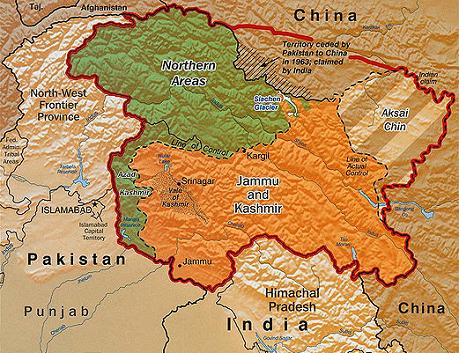
Kashmir: Today We Are All Seditious!

February 3, 2011
By Shahid R. Siddiqi. Axis of Logic,Wednesday, Feb 2, 2011

Editor’s Note: We thank Axis of Logic columnist, Shahid Siddiqi for this clarifying message in support of the people of Kashmir. Kashmir solidarity day will be observed on Feb. 5.

– Les Blough, Editor

____________________________________________

In solidarity with the Kashmiris in their freedom struggle, the people of the world who are engaged in similar movements, or have gone through the experience, stand shoulder to shoulder with them.

When Mohandas Gandhi, the god-father of India who will be revered as the leading light of its freedom movement by the present and future generations of Indians, was arrested by the British colonialists for his role in exhorting the people to rise against the British rulers and charged with sedition in 1922 in Ahmadabad, he pleaded guilty. He told the judge:

“I have no desire whatsoever to conceal from this court that to preach disaffection towards the existing system of government has become almost a passion with me… Sedition in law is a deliberate crime but it appears to me to be the highest duty of the citizen”.

How ironic that in a country that is enjoying freedom won for it by such people as Gandhi, who called sedition ‘his duty’ in the struggle to throw out the foreign occupiers of his land, there are people who level charges of sedition against Kashmiris who refuse to be coerced into calling themselves Indians and demand ‘Azadi’ (freedom) from India which had forcibly occupied Kashmir in cahoots with the departing British Viceroy and later annexed it into the Indian Union against the wishes of the Kashmiri people.

Ludicrously, demands are being made by nationalist and rightist groups for prosecution under sedition laws of the Kashmiri leaders and those honest, fearless, outspoken and forthright non-Kashmiri Indians of all faiths who support this cause as just.

The Seminar on Azadi

In a seminar held in Delhi on 21st October 2010 on “Azadi (freedom) – The Only Way”, the elderly Kashmiri leader Syed Ali Shah Geelani, Arundhati Roy – a noted writer, Sheikh Showkat Hussain – Professor of Law, Varavara Roy – a human rights activist, Shuddhahruta Sengupta  and many others came to present Kashmir’s case for ‘Azadi’ directly to the people of India, bypassing the dishonest media, and give them the true picture of what was happening in Kashmir – ruthless security forces engaging in brutal killings, arrests, human rights abuses and a systematic economic blockade of the valley, all with the intent of breaking the will of the people and forcing them into submission by giving up their demand for freedom.

Continues >>

————————————————————————-

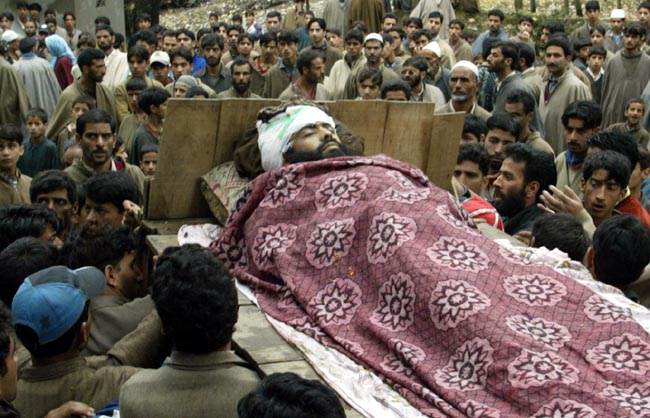
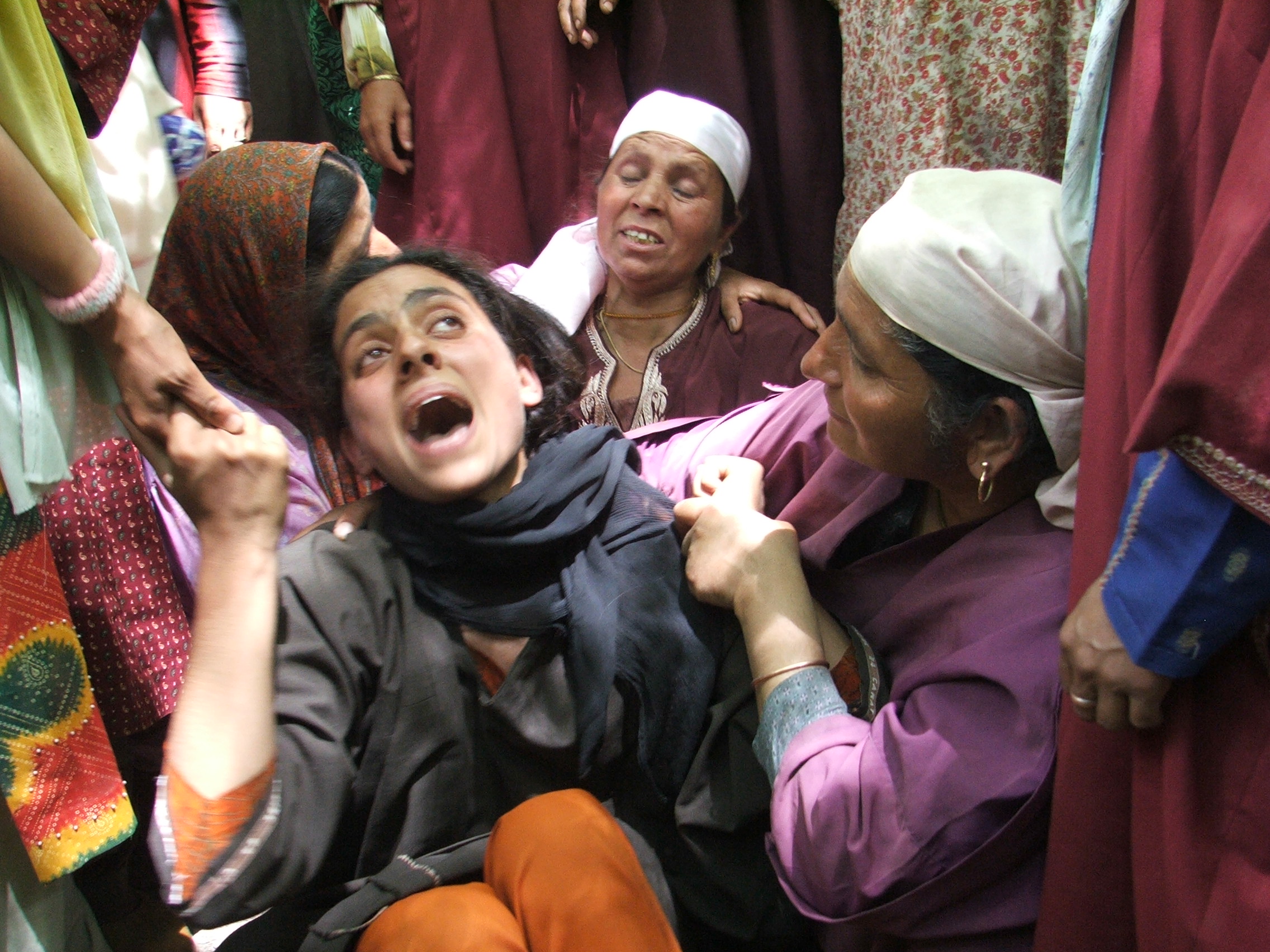
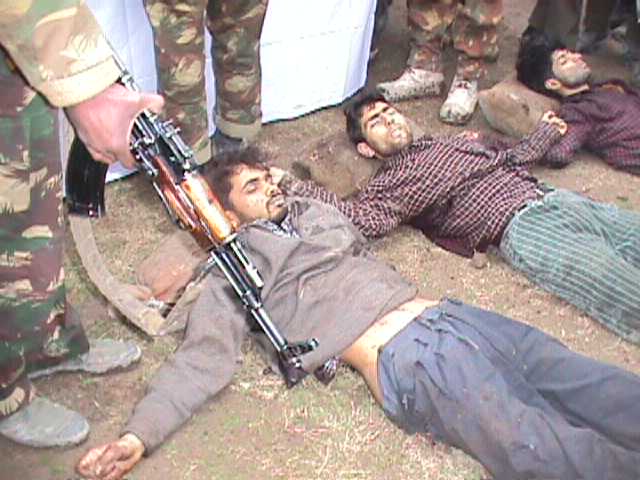
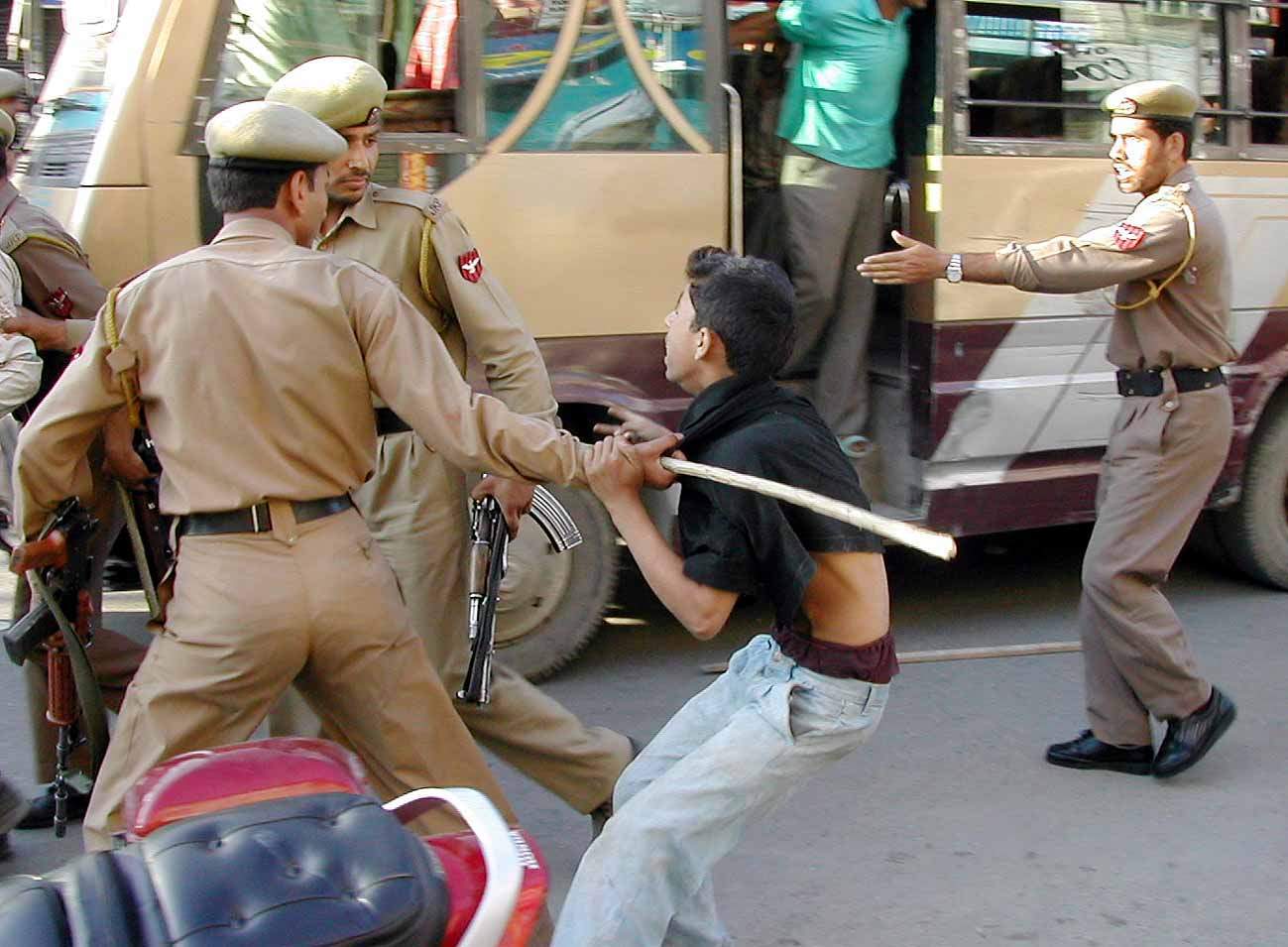
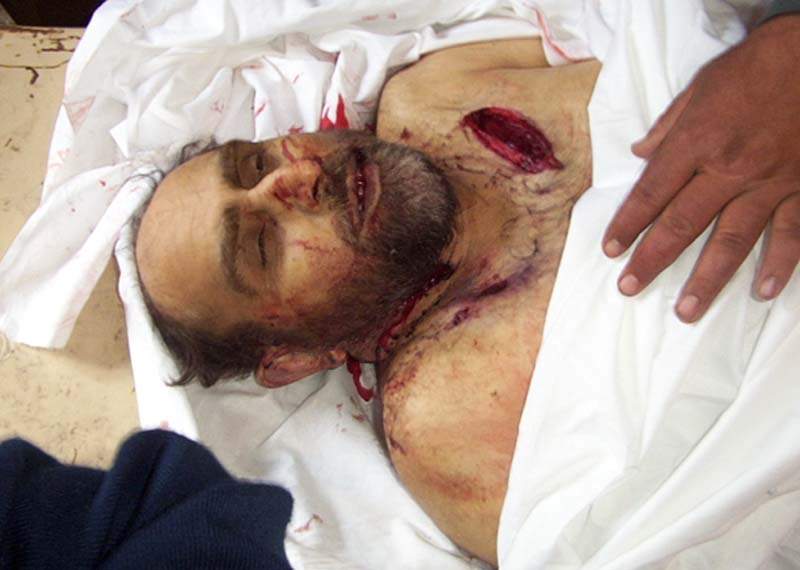
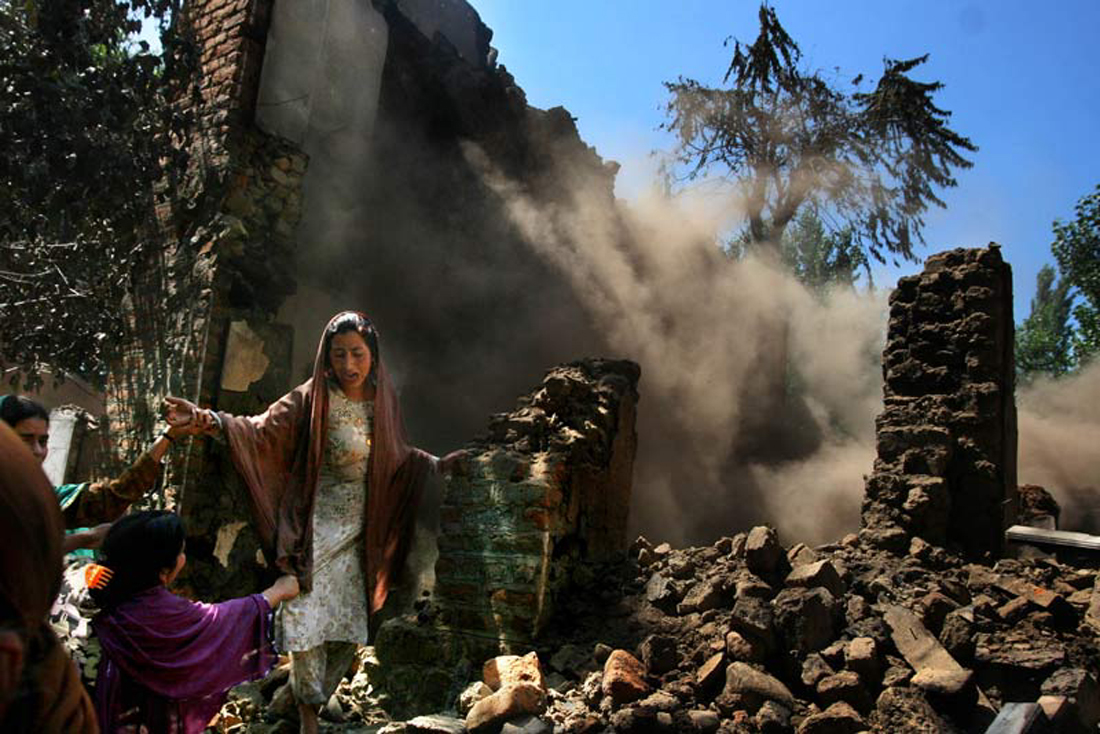
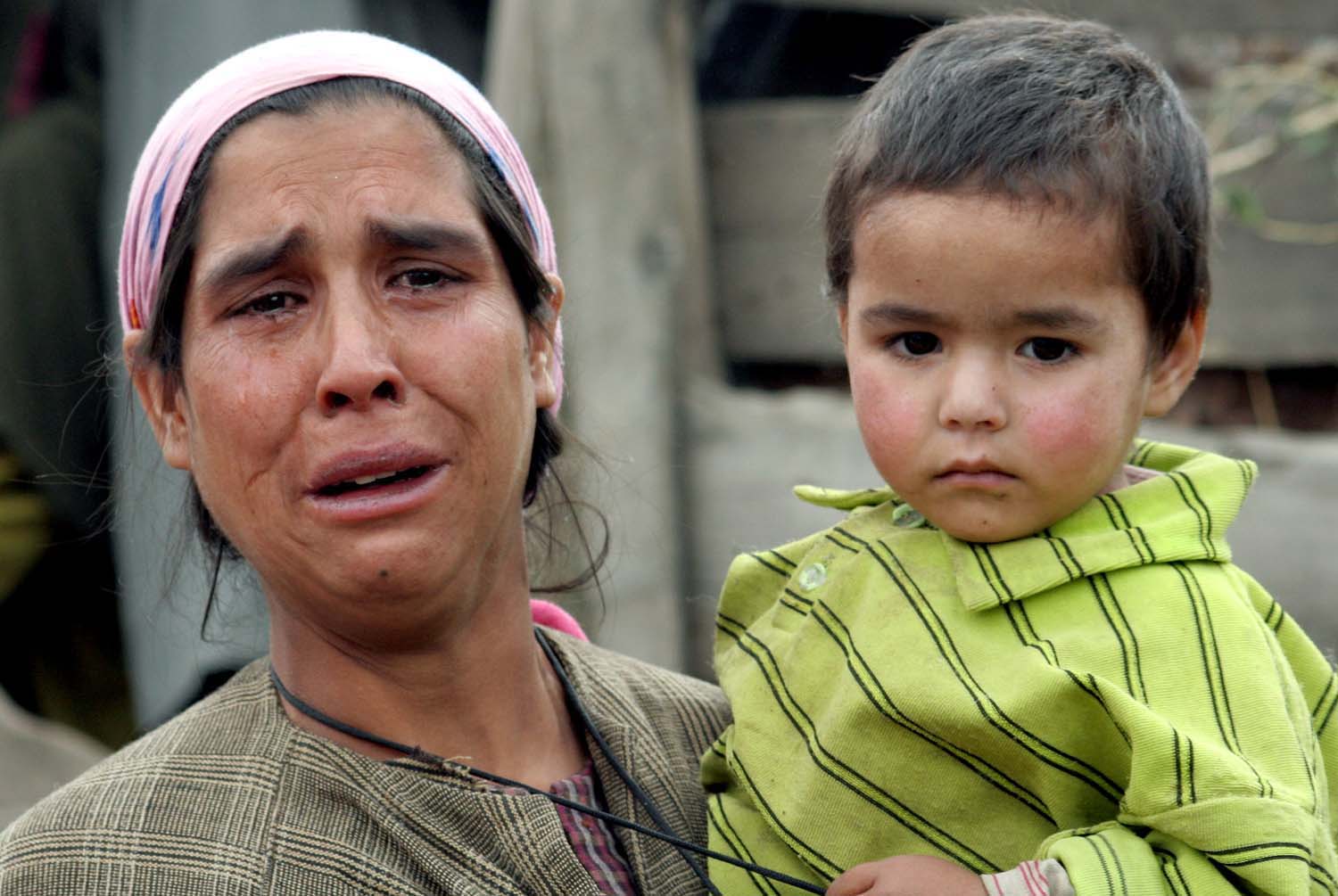
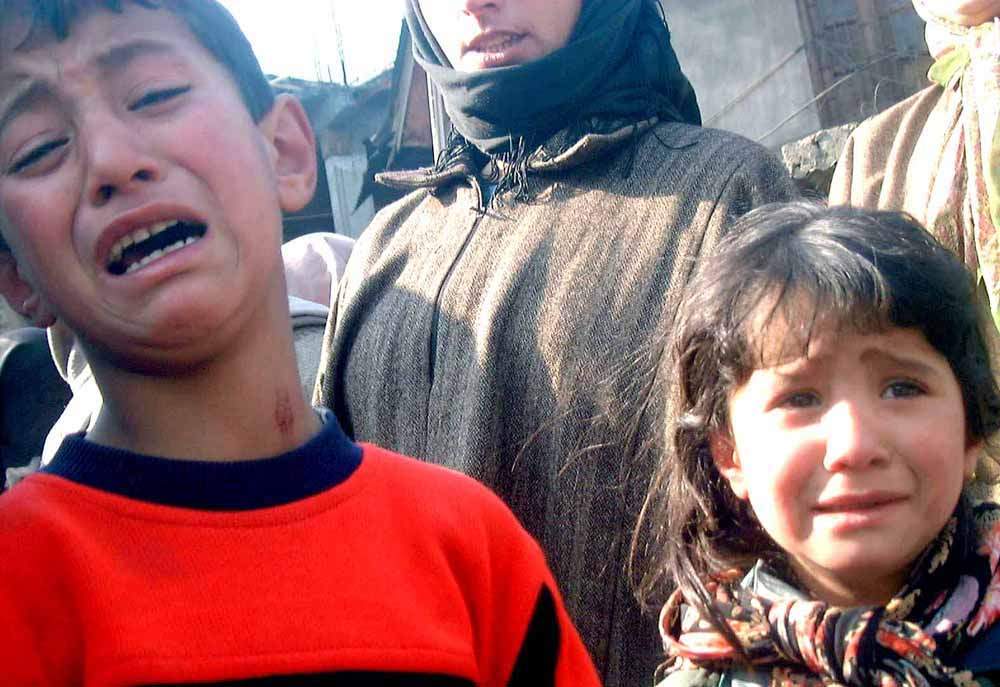
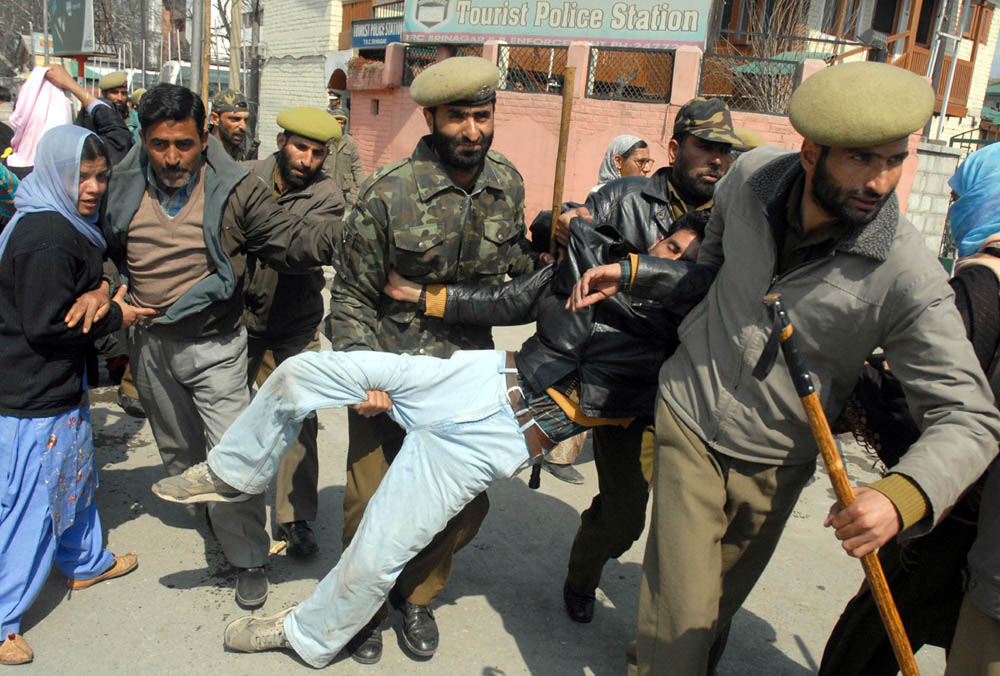
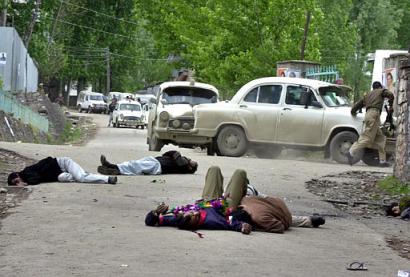
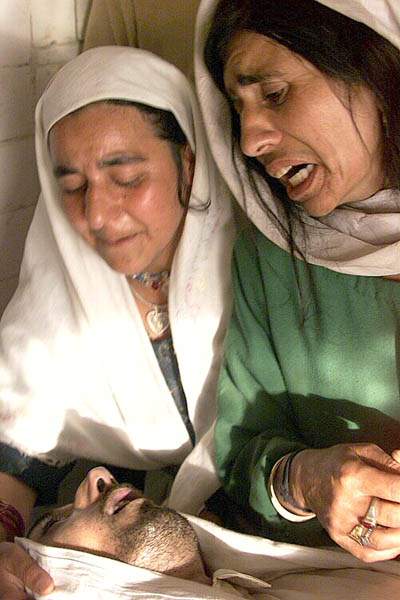
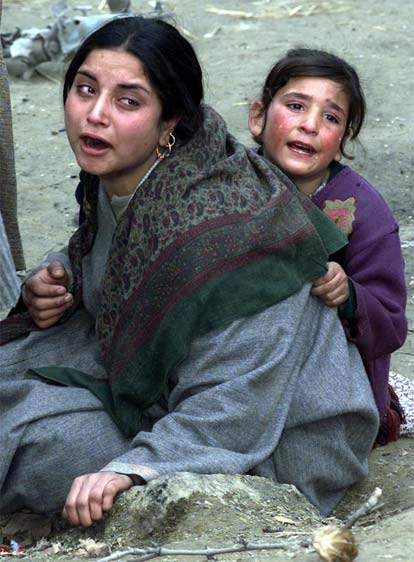
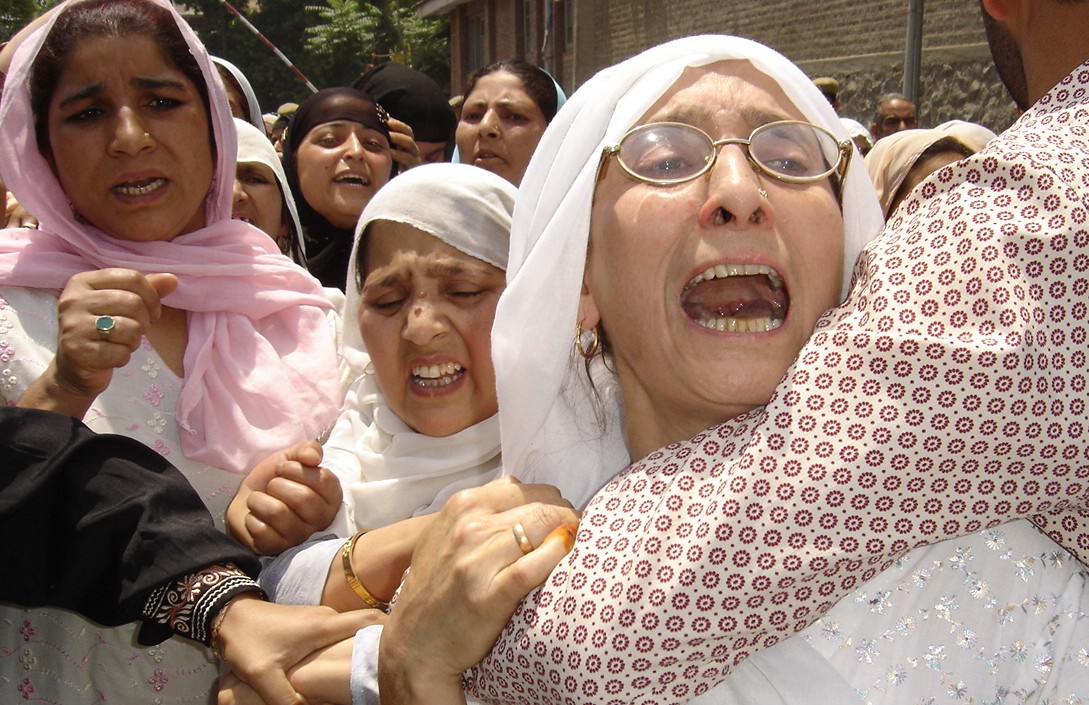
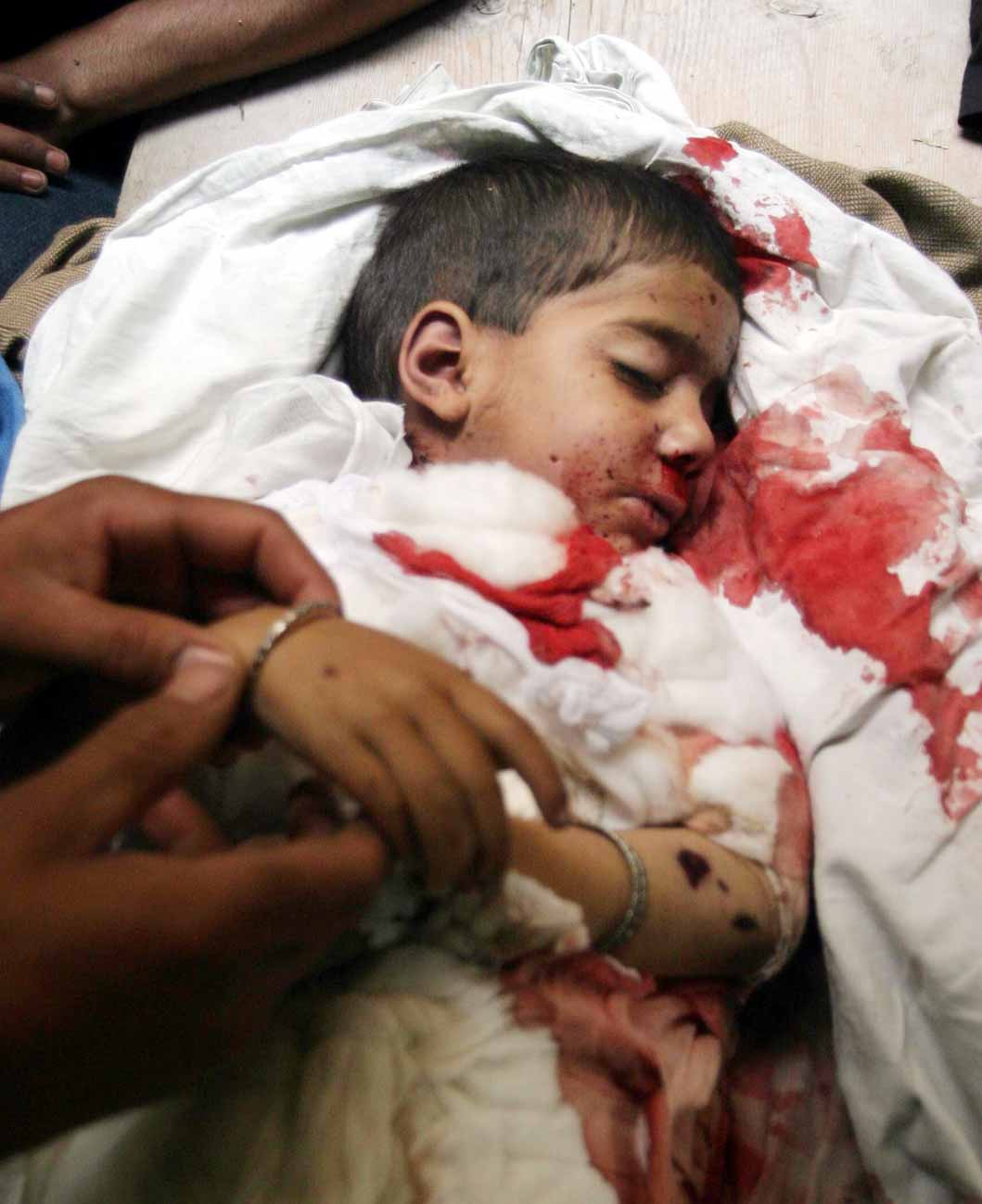
Some pictures of Indian atrocities  in Kashmir

Click on the following  small pictures to see the larger images

What other dictators does the U.S. support?

February 3, 2011

Aside from Hosni Mubarak in Egypt, here are the other most controversial leaders propped up by the U.S.

By Justin Elliott, Salon, Feb 2, 2011

What other dictators does the U.S. support? 

Wikipedia/Agencia Brasil

As Egyptian pro-democracy protests rage on, media attention has suddenly focused on the U.S. alliance with the country’s authoritarian rulers. American support for the Egyptian government — to the tune of $60 billion in aid over the last 30 years — garnered virtually no regular attention before the protests began.

There are now reports of anti-American sentiment among the Egyptian protesters, who are angry about U.S. support for Hosni Mubarak over the years and about the Obama administration’s hesitance to throw its full support behind the movement. A powerful symbol has emerged in tear gas canisters bearing “Made in the USA” labels that police have fired into the crowds.

So this is a good moment to take a look at where else in the world American taxpayer dollars are helping to prop up dictatorships with poor human rights records. The below examples are the most controversial ones, though not a comprehensive accounting.

Continues >>

The UN, Israel-Palestine and 9/11 Scholarship: A Discussion with Prof. Richard Falk

February 3, 2011

by Richard Falk, Foreign Policy Journal, Feb 3, 2011

Share

Globalization1492 — Dr. Richard Falk is Professor Emeritus of International Law at Princeton University. He is the author, co-author or editor of about three dozen scholarly books. In 2008 Professor Falk was appointed to a six-year term as Special Rapporteur on the situation of human rights in the Palestinian Territories occupied since 1967. Professor Falk has been attacked recently by UN Watch, by UN General-Secretary, Ban Ki-moon, and by the US Ambassador to the UN, Susan Rice. In this discussion, Professor Falk gives his assessment of the political context of the criticisms he is facing for identifying Israeli crimes in the treatment of Palestinians in Gaza and the West Bank, and for referring positively to the scholarly contributions of Professor David Ray Griffin and other academics who have identified serious shortcomings in government and mainstream media interpretations concerning the contested events of 9/11.

Continues >>