Archive for February, 2011

Live From Egypt: The True Face of the Mubarak Regime by Sharif Abdel Kouddous

February 4, 2011
Democracy Now, Feb 2, 2011

Cairo, Egypt—The Mubarak regime launched a brutal and coordinated campaign of violence today to take back the streets of Cairo from Egypt’s mass pro-democracy movement.

Pro-Mubarak mobs began gathering near Tahrir square shortly after Mubarak’s speech on Tuesday night and held a rally in front of the state TV building on Corniche El Nile St. In the morning, they began marching around the downtown area in packs of 50 to 100.

These were not the same kinds of protesters that have occupied Tahrir for the last few days. These crowds were made up mostly of men, in between 20 and 45 years old. Many wore thick leather jackets with sweaters underneath. They chanted angrily in support of Mubarak and against the pro-democracy movement. They were hostile and intimidating.

They repeatedly cursed Al Jazeera, asking cameramen at the scene if they worked for the Arabic news network. One man drew his finger across his throat to signal his intentions.

By midday their numbers had swelled dramatically and they began pouring into the downtown area heading straight for Tahrir Square. The army, which had encircled Tahrir since Saturday, simply let them in. The pro-democracy protesters inside formed a human chain inside to try and hold the mob at bay. Utilizing their greater numbers, they initially succeeded in pushing them back non-violently and appeared to have them in full retreat. But then, the mob attacked.

Continues >>

Kashmir: Today We Are All Seditious!

February 3, 2011
By Shahid R. Siddiqi. Axis of Logic,Wednesday, Feb 2, 2011

Editor’s Note: We thank Axis of Logic columnist, Shahid Siddiqi for this clarifying message in support of the people of Kashmir. Kashmir solidarity day will be observed on Feb. 5.

– Les Blough, Editor

____________________________________________

In solidarity with the Kashmiris in their freedom struggle, the people of the world who are engaged in similar movements, or have gone through the experience, stand shoulder to shoulder with them.

When Mohandas Gandhi, the god-father of India who will be revered as the leading light of its freedom movement by the present and future generations of Indians, was arrested by the British colonialists for his role in exhorting the people to rise against the British rulers and charged with sedition in 1922 in Ahmadabad, he pleaded guilty. He told the judge:

“I have no desire whatsoever to conceal from this court that to preach disaffection towards the existing system of government has become almost a passion with me… Sedition in law is a deliberate crime but it appears to me to be the highest duty of the citizen”.

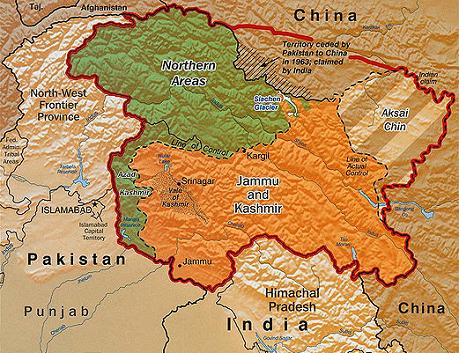
How ironic that in a country that is enjoying freedom won for it by such people as Gandhi, who called sedition ‘his duty’ in the struggle to throw out the foreign occupiers of his land, there are people who level charges of sedition against Kashmiris who refuse to be coerced into calling themselves Indians and demand ‘Azadi’ (freedom) from India which had forcibly occupied Kashmir in cahoots with the departing British Viceroy and later annexed it into the Indian Union against the wishes of the Kashmiri people.

Ludicrously, demands are being made by nationalist and rightist groups for prosecution under sedition laws of the Kashmiri leaders and those honest, fearless, outspoken and forthright non-Kashmiri Indians of all faiths who support this cause as just.

The Seminar on Azadi

In a seminar held in Delhi on 21st October 2010 on “Azadi (freedom) – The Only Way”, the elderly Kashmiri leader Syed Ali Shah Geelani, Arundhati Roy – a noted writer, Sheikh Showkat Hussain – Professor of Law, Varavara Roy – a human rights activist, Shuddhahruta Sengupta  and many others came to present Kashmir’s case for ‘Azadi’ directly to the people of India, bypassing the dishonest media, and give them the true picture of what was happening in Kashmir – ruthless security forces engaging in brutal killings, arrests, human rights abuses and a systematic economic blockade of the valley, all with the intent of breaking the will of the people and forcing them into submission by giving up their demand for freedom.

Continues >>

————————————————————————-

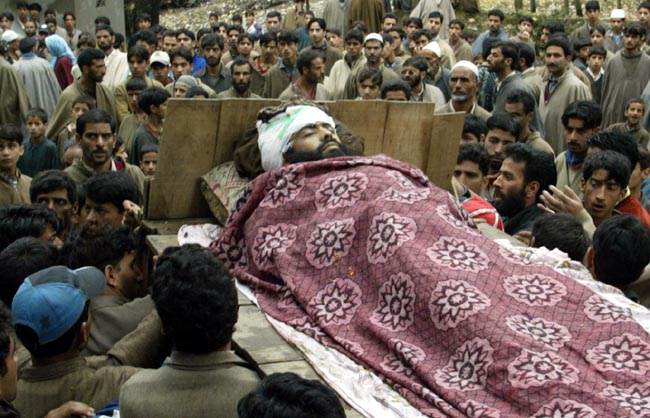
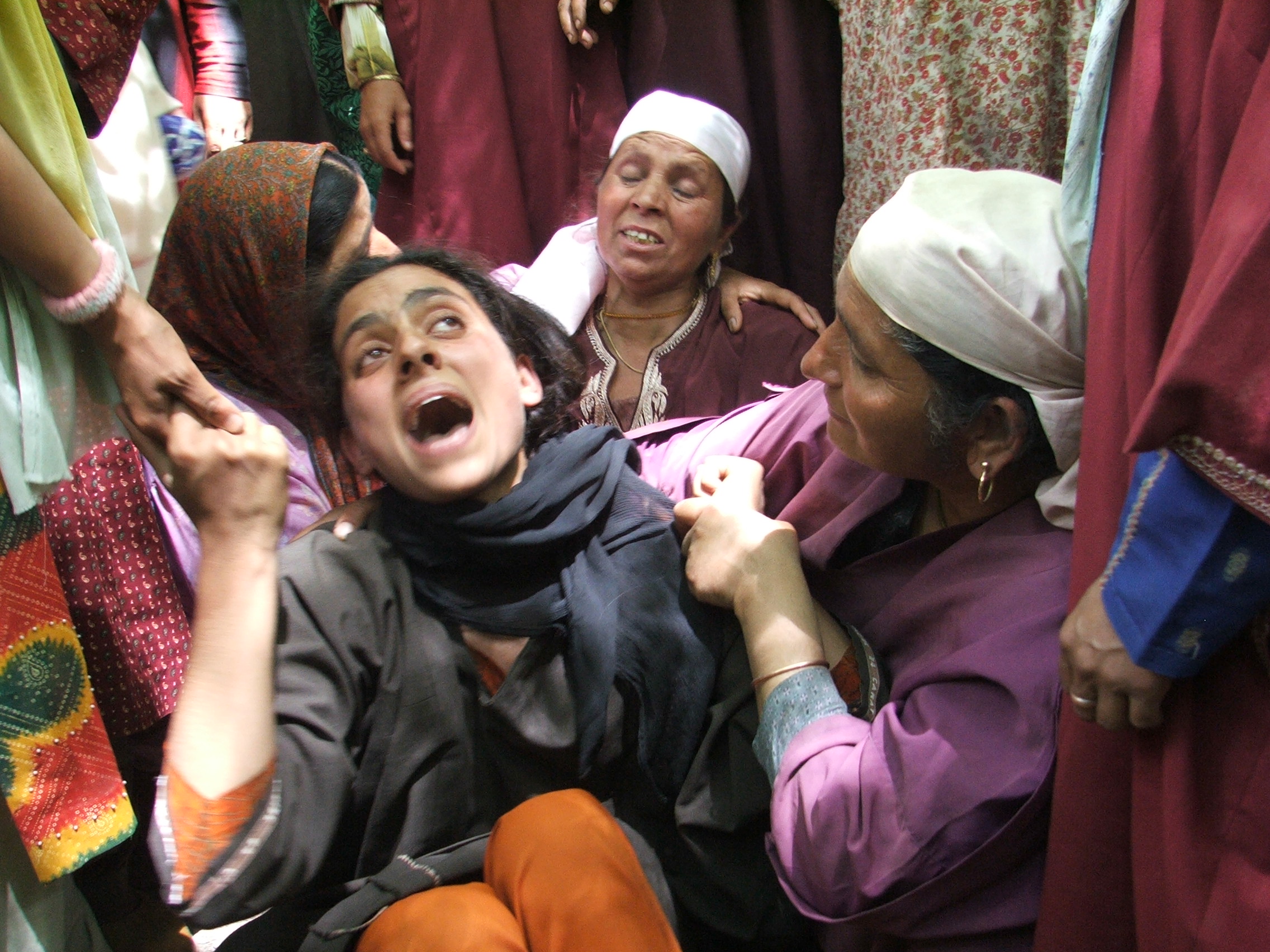
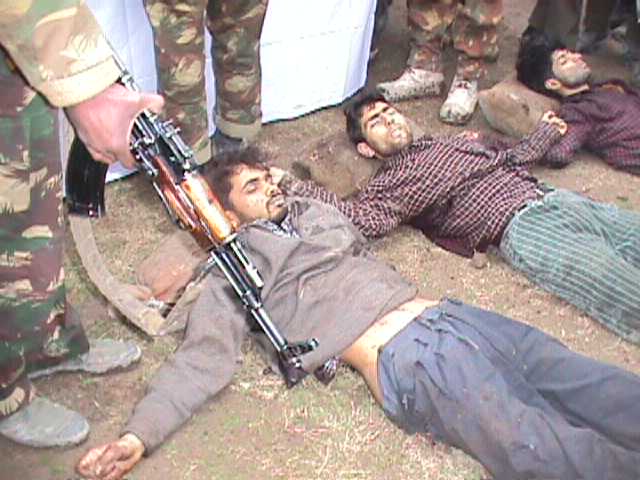
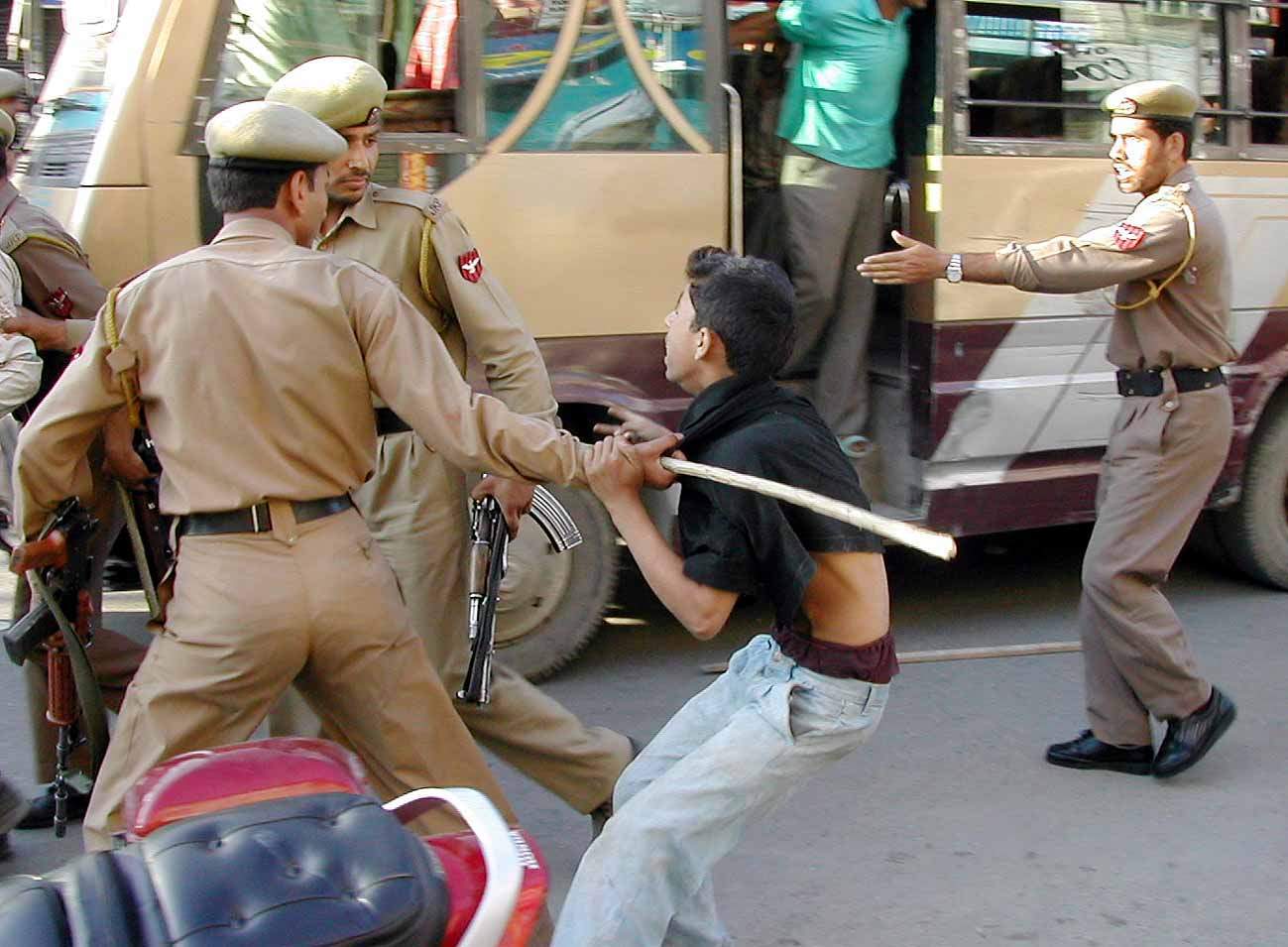
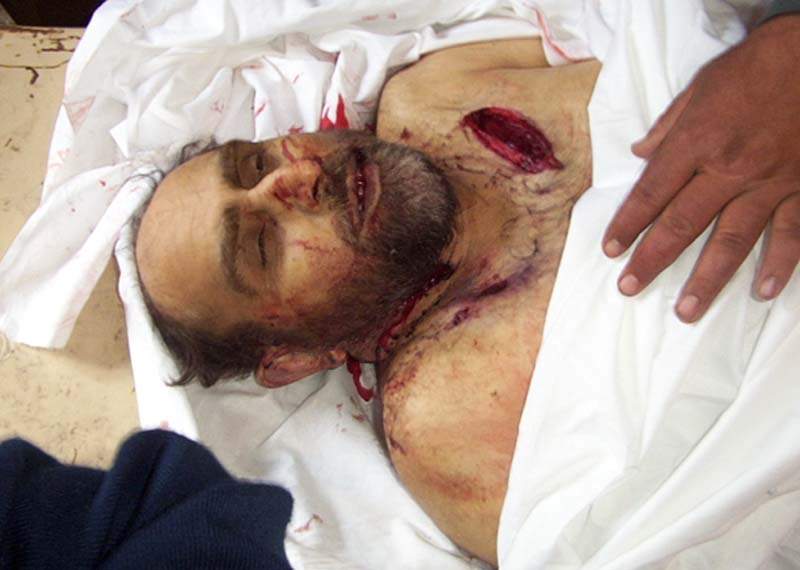
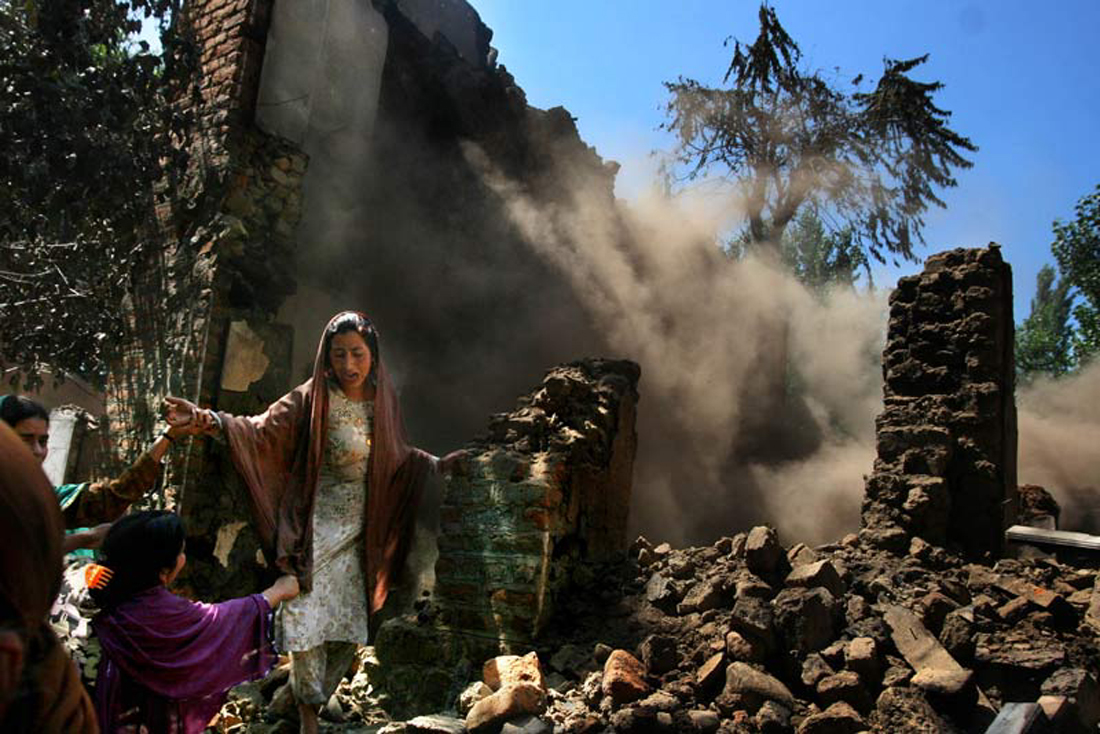
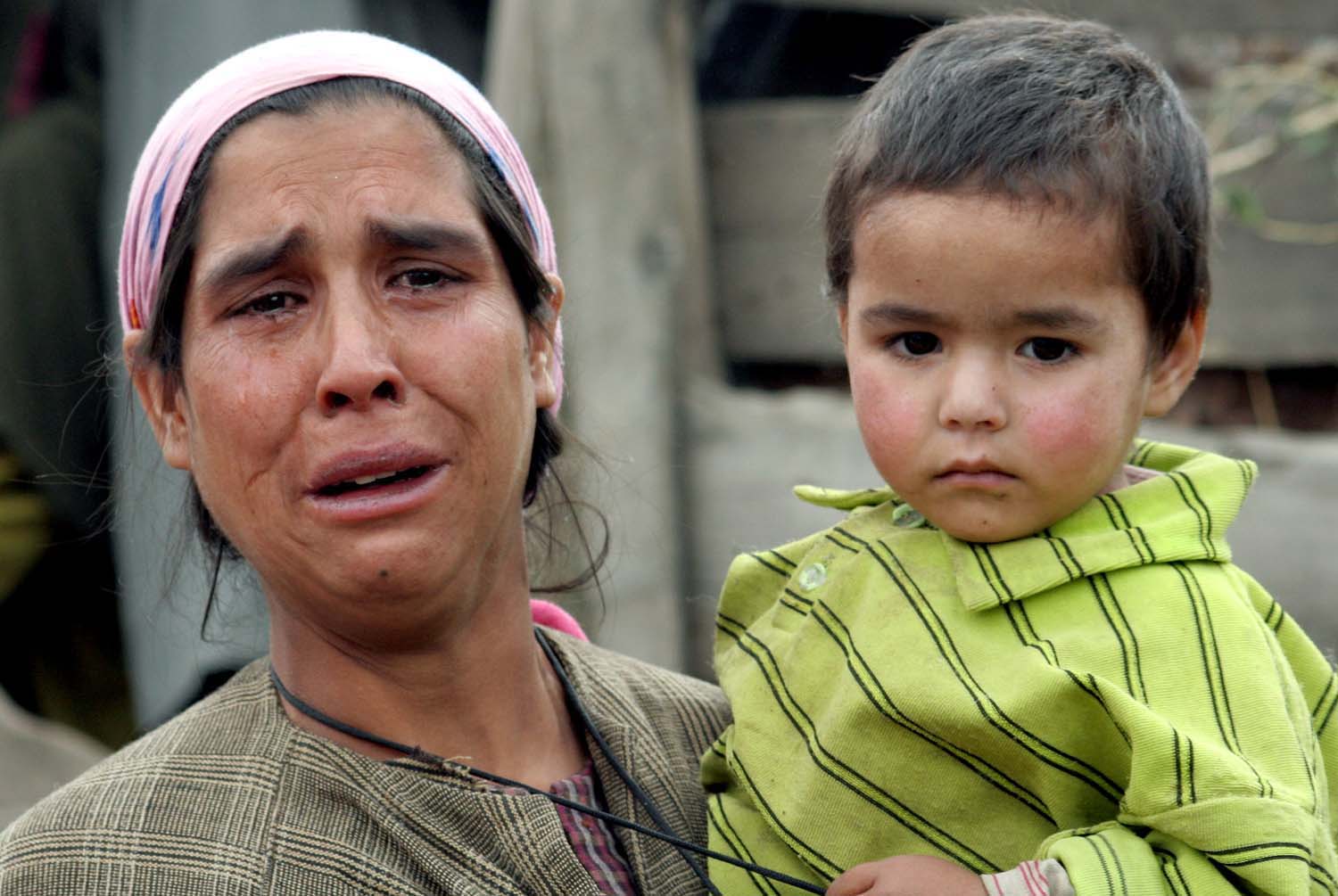
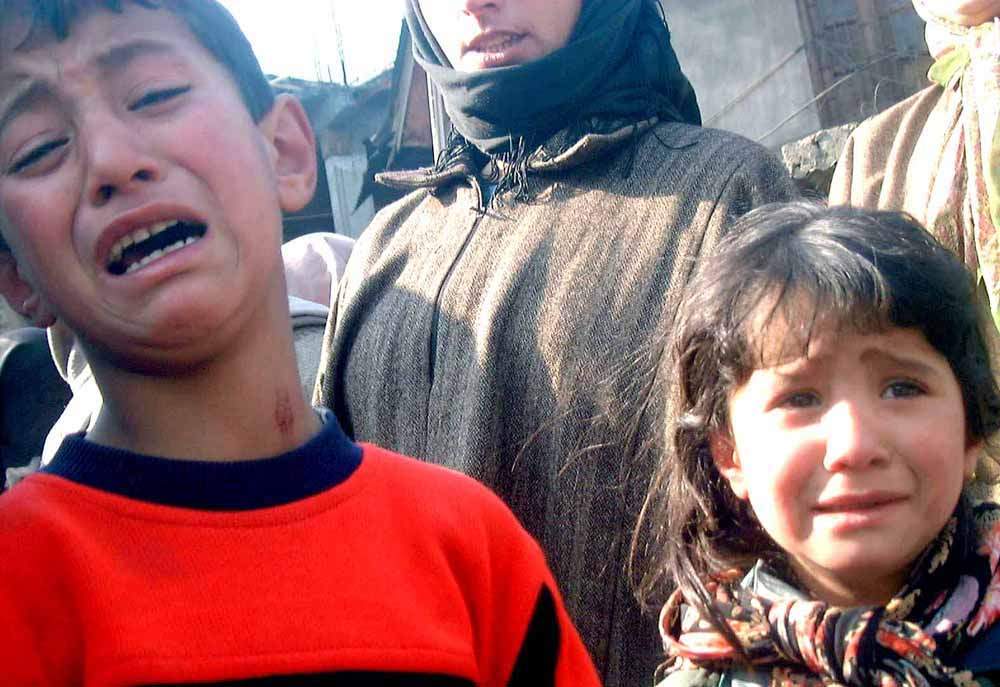
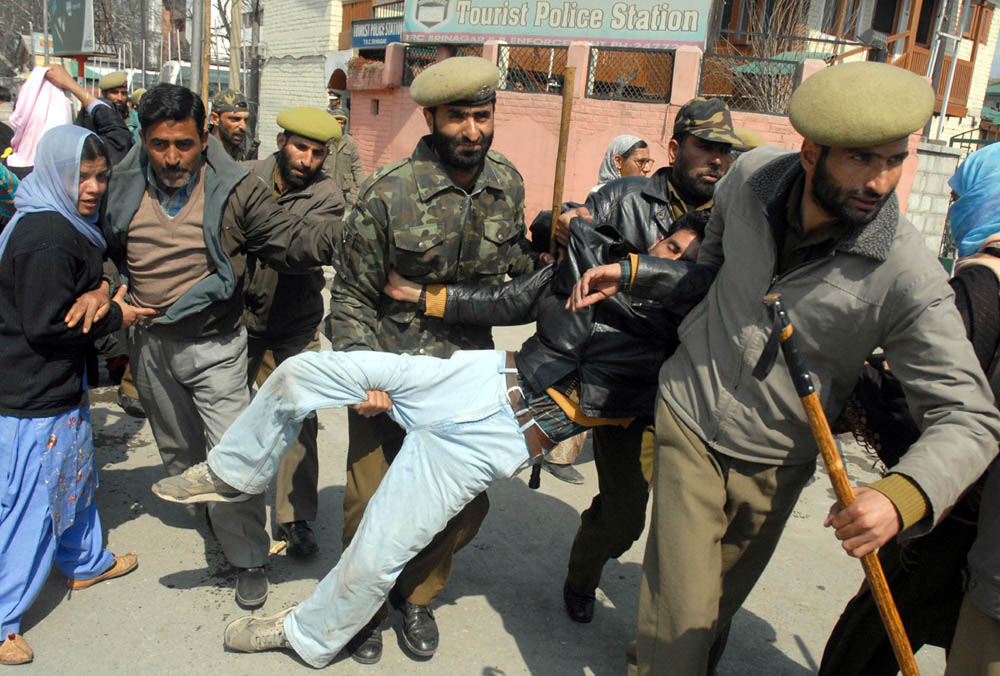
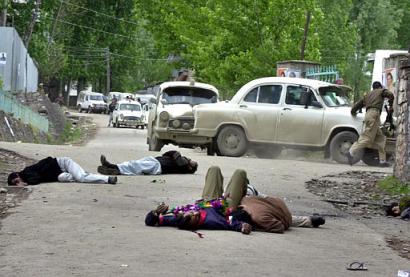
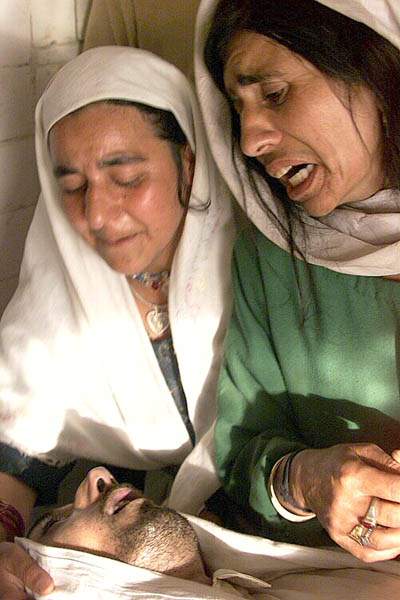
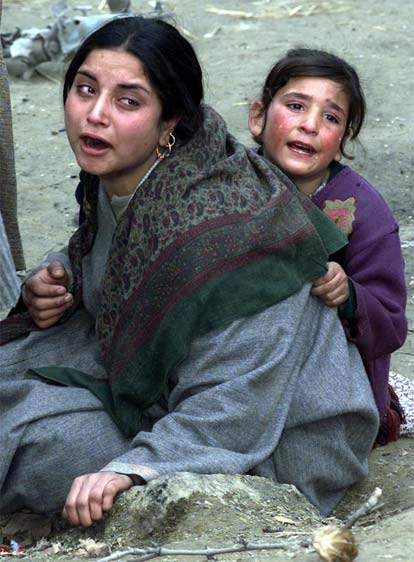
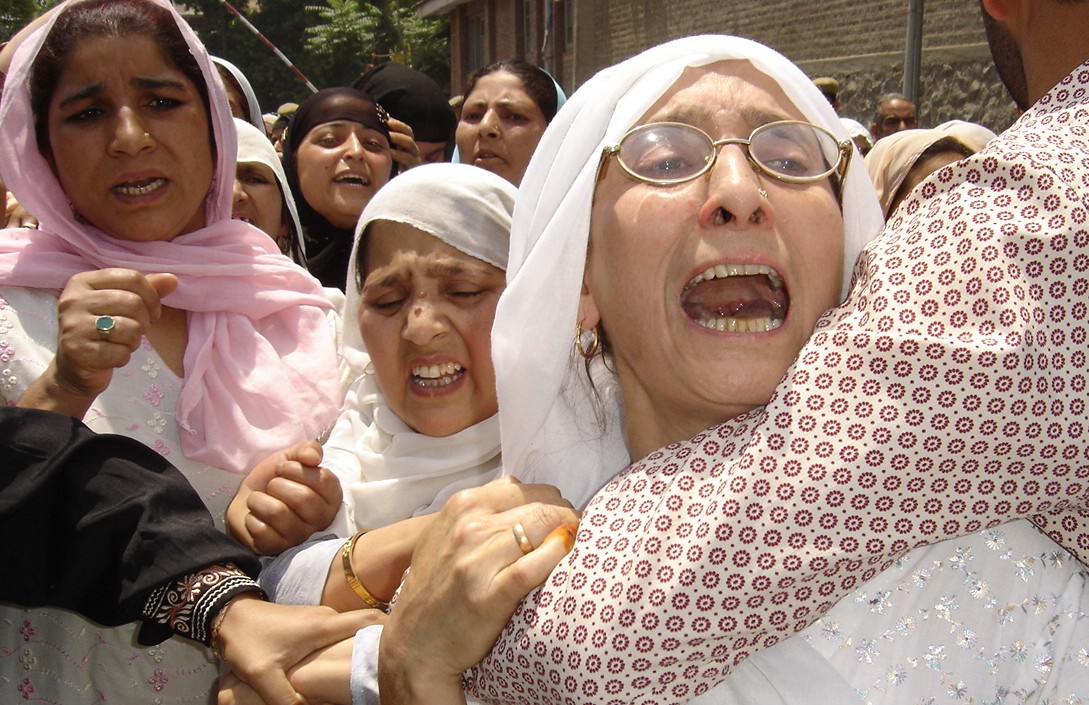
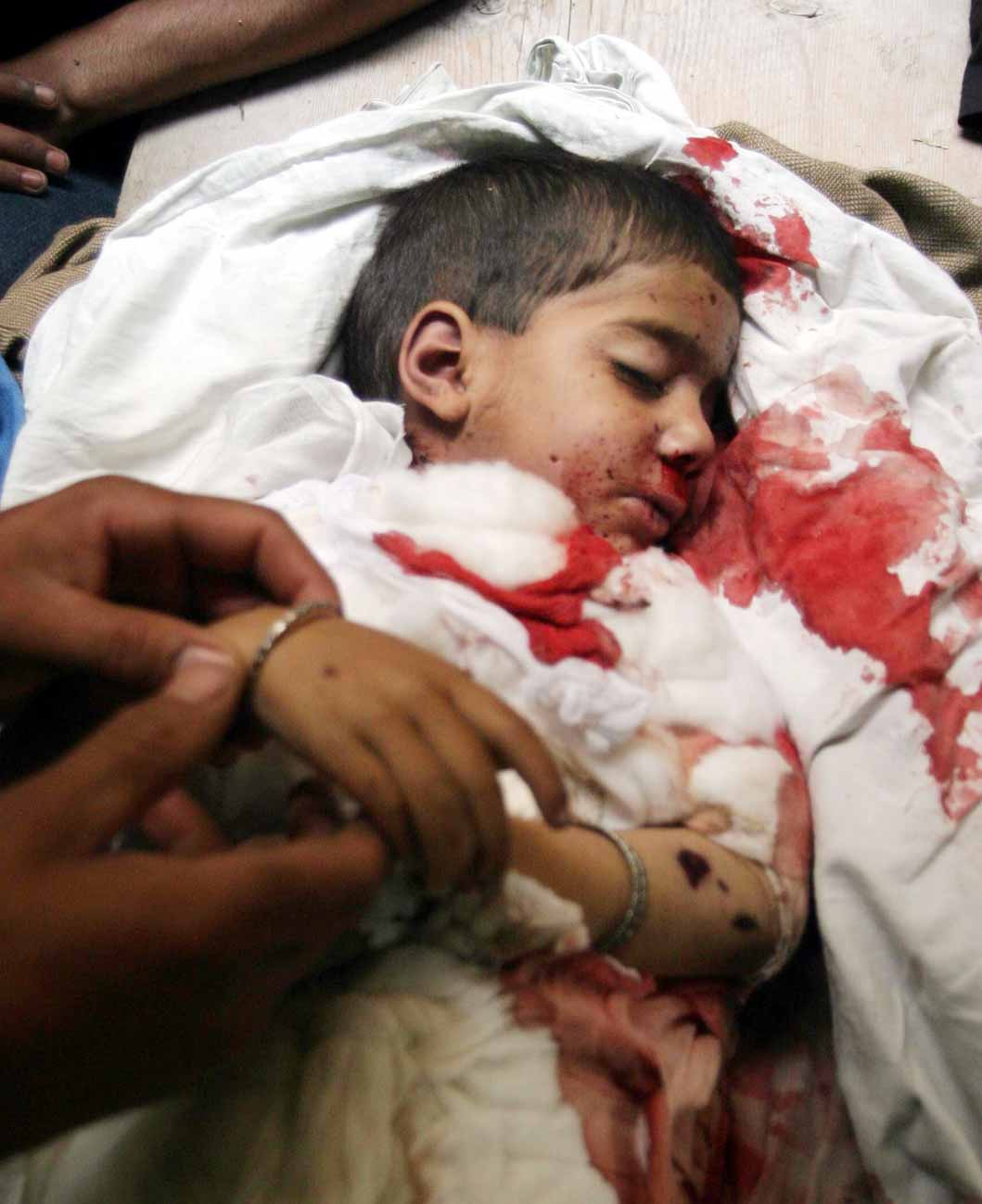
Some pictures of Indian atrocities  in Kashmir

Click on the following  small pictures to see the larger images

What other dictators does the U.S. support?

February 3, 2011

Aside from Hosni Mubarak in Egypt, here are the other most controversial leaders propped up by the U.S.

By Justin Elliott, Salon, Feb 2, 2011

What other dictators does the U.S. support? 

Wikipedia/Agencia Brasil

As Egyptian pro-democracy protests rage on, media attention has suddenly focused on the U.S. alliance with the country’s authoritarian rulers. American support for the Egyptian government — to the tune of $60 billion in aid over the last 30 years — garnered virtually no regular attention before the protests began.

There are now reports of anti-American sentiment among the Egyptian protesters, who are angry about U.S. support for Hosni Mubarak over the years and about the Obama administration’s hesitance to throw its full support behind the movement. A powerful symbol has emerged in tear gas canisters bearing “Made in the USA” labels that police have fired into the crowds.

So this is a good moment to take a look at where else in the world American taxpayer dollars are helping to prop up dictatorships with poor human rights records. The below examples are the most controversial ones, though not a comprehensive accounting.

Continues >>

The UN, Israel-Palestine and 9/11 Scholarship: A Discussion with Prof. Richard Falk

February 3, 2011

by Richard Falk, Foreign Policy Journal, Feb 3, 2011

Share

Globalization1492 — Dr. Richard Falk is Professor Emeritus of International Law at Princeton University. He is the author, co-author or editor of about three dozen scholarly books. In 2008 Professor Falk was appointed to a six-year term as Special Rapporteur on the situation of human rights in the Palestinian Territories occupied since 1967. Professor Falk has been attacked recently by UN Watch, by UN General-Secretary, Ban Ki-moon, and by the US Ambassador to the UN, Susan Rice. In this discussion, Professor Falk gives his assessment of the political context of the criticisms he is facing for identifying Israeli crimes in the treatment of Palestinians in Gaza and the West Bank, and for referring positively to the scholarly contributions of Professor David Ray Griffin and other academics who have identified serious shortcomings in government and mainstream media interpretations concerning the contested events of 9/11.

Continues >>

Bloody crackdown against Egyptian protesters

February 3, 2011
By Patrick O’Connor, wsws.org, 3 February 2011

Egyptian President Hosni Mubarak yesterday mobilised thousands of pro-regime thugs, provocateurs and plain clothes police against demonstrators demanding an end to his dictatorship. At least five people were killed, though the final death toll will likely be significantly higher, and hundreds more were injured, many seriously.

The calculated provocation was facilitated by the military, which allowed the violent attacks to proceed throughout the day. Pro-Mubarak forces were effectively escorted by the army into central Cairo’s Tahrir Square, the focal point for anti-regime protests, just hours after military leaders issued a statement demanding that demonstrators desist and “restore normal life.” The violence is aimed at intimidating and dividing the revolutionary forces in Egypt and creating the conditions for the military to more directly intervene.

Senior commanders have signalled their support for Mubarak’s plan to stay in power until September. This would allow ample time for military and intelligence personnel, working hand in glove with their American counterparts, to prepare a rigged ballot to anoint Vice President Omar Suleiman or another “safe pair of hands” as Mubarak’s successor.

Continues >>

Why fear the Arab revolutionary spirit?

February 2, 2011

The western liberal reaction to the uprisings in Egypt and Tunisia frequently shows hypocrisy and cynicism

Slavoj Žižek, The Guardian, Feb 1, 2011

Egyptian demonstrators An Egyptian demonstrator uses his shoe to hit a picture of President Hosni Mubarak during a protest in Cairo. Photograph: Mohammed Abed/AFP/Getty Images

What cannot but strike the eye in the revolts in Tunisia and Egypt is the conspicuous absence of Muslim fundamentalism. In the best secular democratic tradition, people simply revolted against an oppressive regime, its corruption and poverty, and demanded freedom and economic hope. The cynical wisdom of western liberals, according to which, in Arab countries, genuine democratic sense is limited to narrow liberal elites while the vast majority can only be mobilised through religious fundamentalism or nationalism, has been proven wrong. The big question is what will happen next? Who will emerge as the political winner?

When a new provisional government was nominated in Tunis, it excluded Islamists and the more radical left. The reaction of smug liberals was: good, they are the basically same; two totalitarian extremes – but are things as simple as that? Is the true long-term antagonism not precisely between Islamists and the left? Even if they are momentarily united against the regime, once they approach victory, their unity splits, they engage in a deadly fight, often more cruel than against the shared enemy.

Continues >>

U.S. Chickens Come Home to Roost in Egypt

February 2, 2011

by Marjorie Cohn, CommonDreams.org, Feb 2, 2011

Barack Obama, like his predecessors, has supported Egyptian President Hosni Mubarak to the tune of $1.3 billion annually, mostly in military aid. In return, Egypt minds U.S. interests in the Middle East, notably providing a buffer between Israel and the rest of the Arab world. Egypt collaborates with Israel to isolate Gaza with a punishing blockade, to the consternation of Arabs throughout the Middle East. The United States could not have fought its wars in Iraq without Egypt’s logistical support.

Now with a revolution against Mubarak by two million Egyptians, all bets are off about who will replace him and whether the successor government will be friendly to the United States.

Mubarak’s “whole system is corrupt,” said Hesham Korayem, an Egyptian who taught at City University of New York and provides frequent commentary on Egyptian and Saudi television. He told me there is virtually no middle class in Egypt, only the extremely rich (about 20 to 25 percent of the population) and the extremely poor (75 percent). The parliament has no input into what Mubarak does with the money the United States gives him, $300 million of which comes to the dictator in cash each year.

Torture is commonplace in Egypt, according to Korayem. Indeed, Omar Suleiman, Egypt’s intelligence chief whom Mubarak just named Vice-President, was the lynchpin for Egyptian torture when the CIA sent prisoners to Egypt in its extraordinary rendition program. Stephen Grey noted in Ghost Plane, “[I]n secret, men like Omar Suleiman, the country’s most powerful spy and secret politician, did our work, the sort of work that Western countries have no appetite to do ourselves.”

Continues >>

Mubarak’s gangsters pledge to ‘liberate Tahrir Square with blood’

February 2, 2011
Lindsey Parietti, Al Masri Al Youm, Feb 2, 2011

<p>Pro-Mubarak supporters in Wednesday's protests.</p>Photographed by Lindsey Parietti 

After a week marked by unity, kicking, shoving and verbal fights erupted in and around Tahrir Square Wednesday as pro- and anti-Mubarak protesters faced off.

With conflicting messages, some of President Hosni Mubarak’s supporters pledged to “liberate Tahrir Square with blood,” while others said they did not want violence.

Hundreds gathered in Talaat Harb Square outside the television building on the Corniche and around Mostafa Mahmoud Mosque in Mohandessin demanding an end to chaos and the week-long protests, according to witnesses.

The renewed violence that broke out after days of peaceful protests had already resulted in several injuries early Wednesday afternoon, as the wounded were rushed to a makeshift hospital in a mosque near Tahrir Square.

Tens of Mubarak supporters hoisted printed signs that read “Yes Mubarak” as opposing sides hurled invectives at each other along the Qasr al-Nil entrance to the square, where anti-regime forces reached more than one million people Tuesday night.

Chanting as vehemently as their counterparts inside the square, they called on protesters to accept Mubarak’s decision to finish his term and oversee a transition of power in the upcoming fall elections.

“Our president, he served this country more than 30 years, he has mistakes, no problem. Everybody has mistakes,” said Hassan, a general manager of a construction company who would only give his first name.

Insisting that every potential candidate will have nine months to present their platforms to Egyptians before elections, Hassan worried the country would deteriorate into chaos if Mubarak fled immediately.

Earlier in the morning some said the pro-Mubarak group would not try to enter Tahrir Square, but by afternoon eyewitnesses reported that people already inside were pulling down the anti-government banners that papered the square.

“President, we love you!” the men yelled in unison.

Anonymous sources at a state hospital and at the Ministry of Petroleum said employees were told to join the regime supporters in demonstrations Wednesday.

Continues >>

The west’s itch to meddle is no help. Leave Egypt alone

February 2, 2011

Our sole contribution to Muslim states wrestling with self-determination is plunging their neighbours into bloodbath and chaos

Simon Jenkins, The Guardian, Feb 1, 2011

Anti-government protesters demonstrate near a damaged picture of Gamal Mubarak in Alexandria Protesters demonstrate near a torn picture of Gamal Mubarak, son of Hosni Mubarak, in Alexandria on January 25. Photograph: Reuters

We are hypocrites. We cheer on the brave Tunisians and Egyptians as they assert the revolutionary power of the street. Hands off, we cry. Let them do it their way. It has taken a long time, but let the people get the credit and be strengthened thereby.

We gave no such licence to the Iraqis or Afghans. We presumed it was our job to dictate how they should be governed. We accused their leaders of crimes and decided to punish them all, massacring thousands. We declared a “freedom agenda”, and bombed them to bits.

Hosni Mubarak of Egypt is another Saddam Hussein, a secular dictator ruling a Muslim country with a rod of iron through a kleptocracy of cronies. Less wealthy than Saddam, he had to rely on American support, but he was only a little more subtle in his ruthlessness.

We are told that there were sound strategic reasons for supporting Mubarak – as there once were for supporting the Ba’athists, Assad of Syria and Saddam himself. There were similar reasons for backing the Ben Ali dynasty in Tunisia and “Britain’s good friend”, the outrageous Colonel Gaddafi of Libya. All offered a supposed bulwark against Muslim extremism, a monster of which Americans and Britons are told to show a pathological, all-consuming and costly terror. Now, apparently, that no longer applies to Egypt.

Continues >>

Life Returns to the Nile – a poem

February 1, 2011

by Badri Raina

For decades your endless waters

flowed quiescent,

all your fertile powers spent,

vassal to far-off matters,

as a despot had you in thrall.

How you have now turned

from  slumber, O Nile,

and already spurned

with the memory of ancient might

a regime of cruel guile.

Your children of all ages, both sexes,

and all religions

fill Egypt shoulder to shoulder

and end to end—

their vision not of violence

but something far bolder:

as their conglomerate voice waxes,

they are determined

that in the Egypt to come

not just some, but all

shall feast of peace, prosperity

and democracy.

Children of true Islam,

the revolution you make

bids fair to shame

a world of perfidy that has given

to the faith such a bad name.

Your chant of human liberation

already rings in nation after nation.

Never will either the Arab world

or the rest of us be quite the same.

O Nile, your waters pour a needed balm

on a desecrated world;

do receive our salaam.